
Last updated November 3, 2026
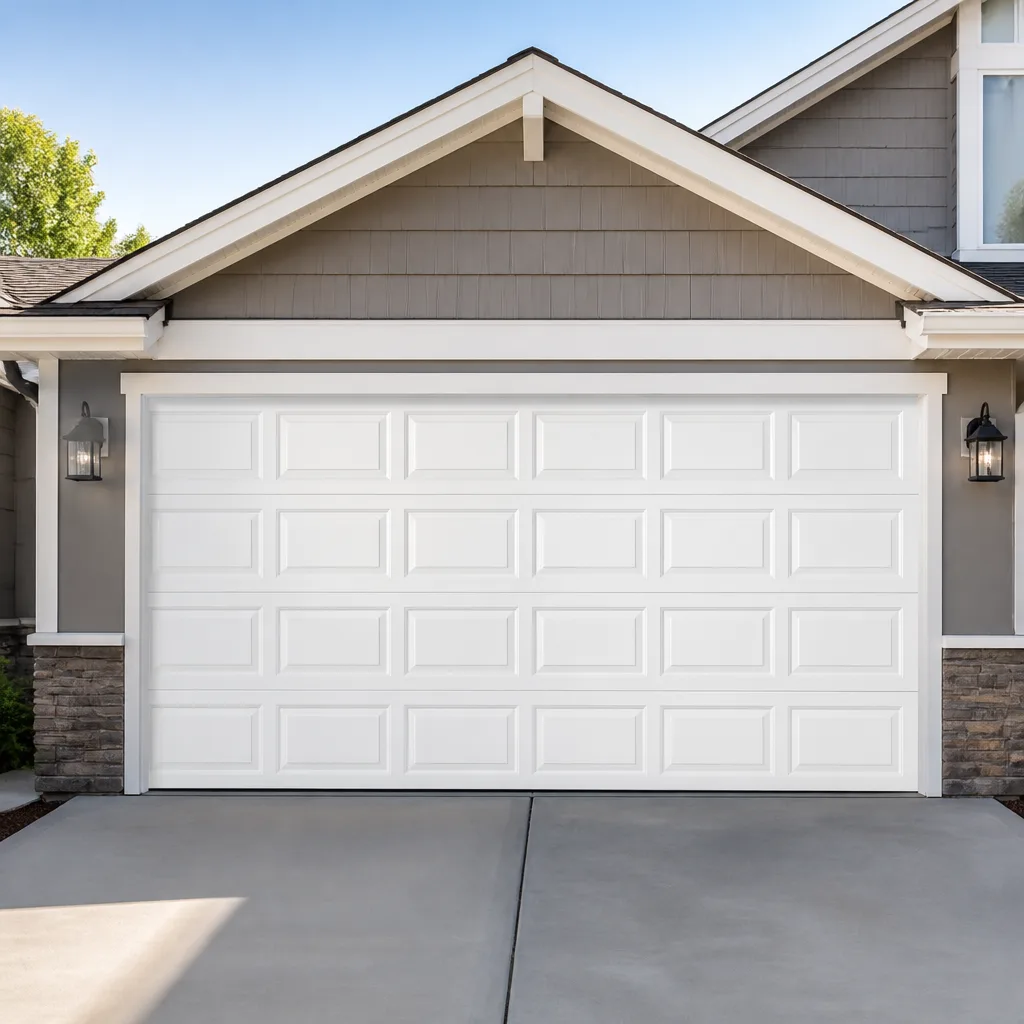 Raised-panel steel
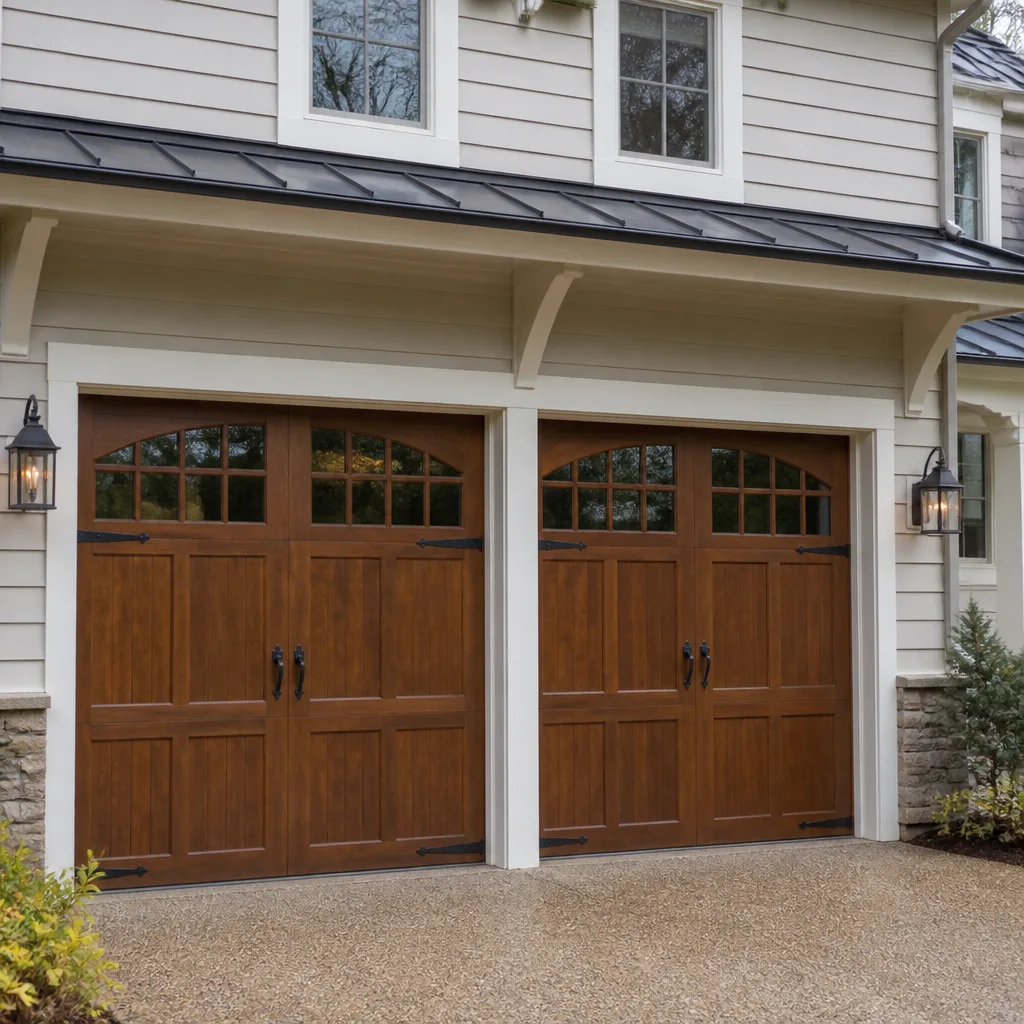 Carriage house
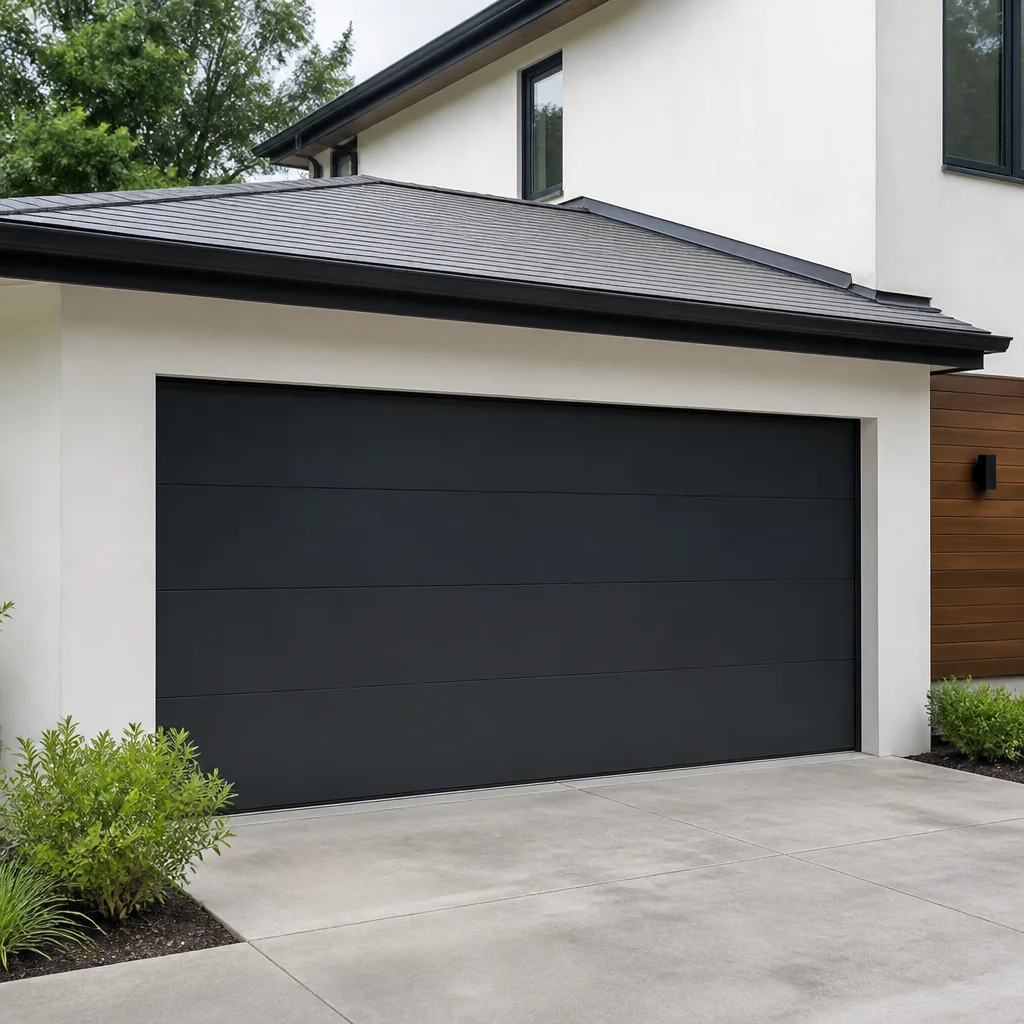 Modern flush
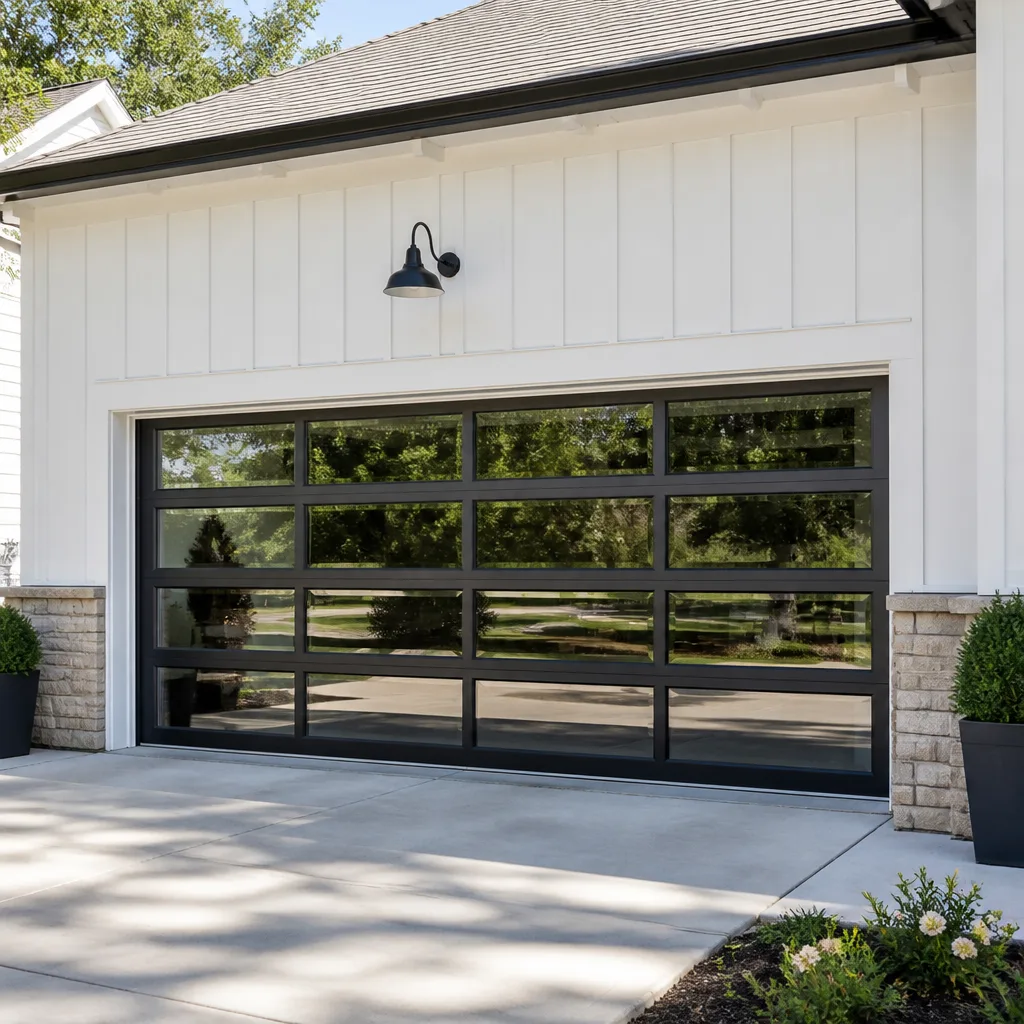 Full-view glass
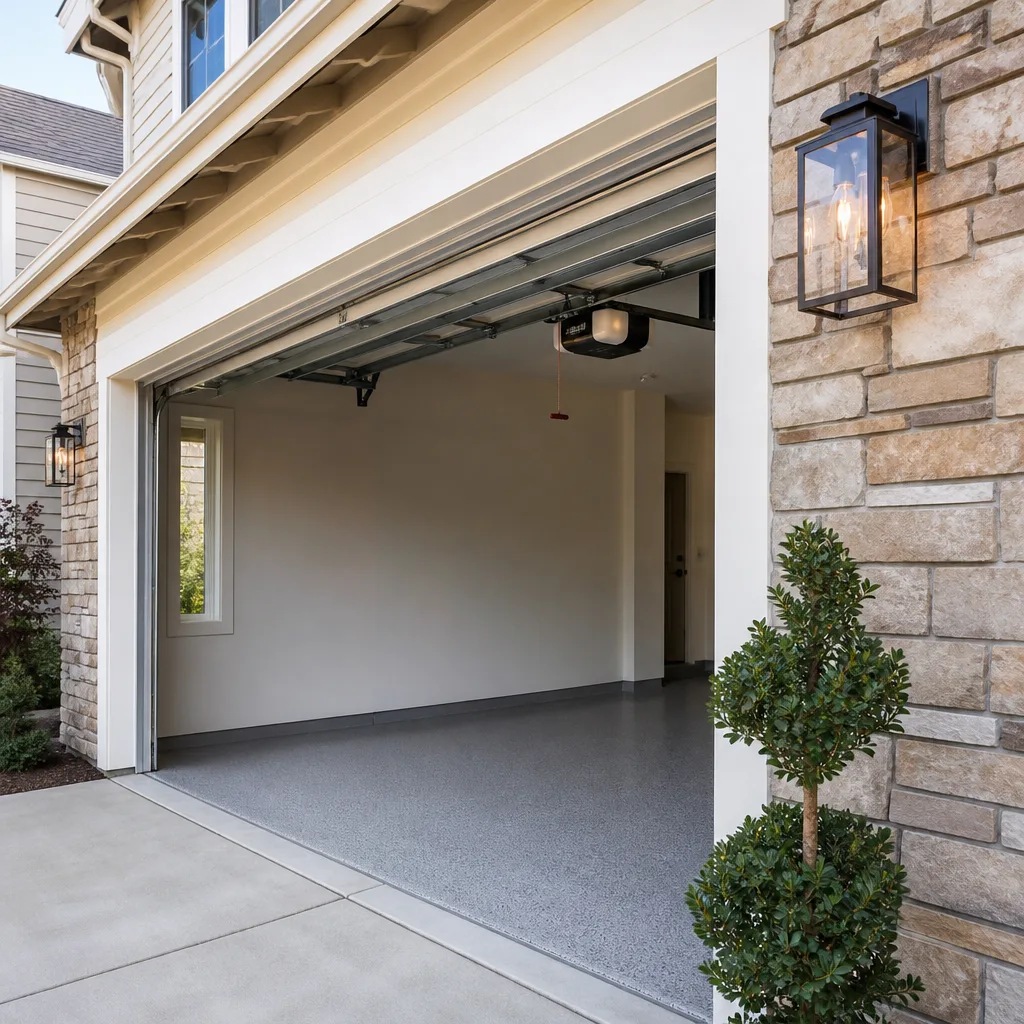 LiftMaster openers
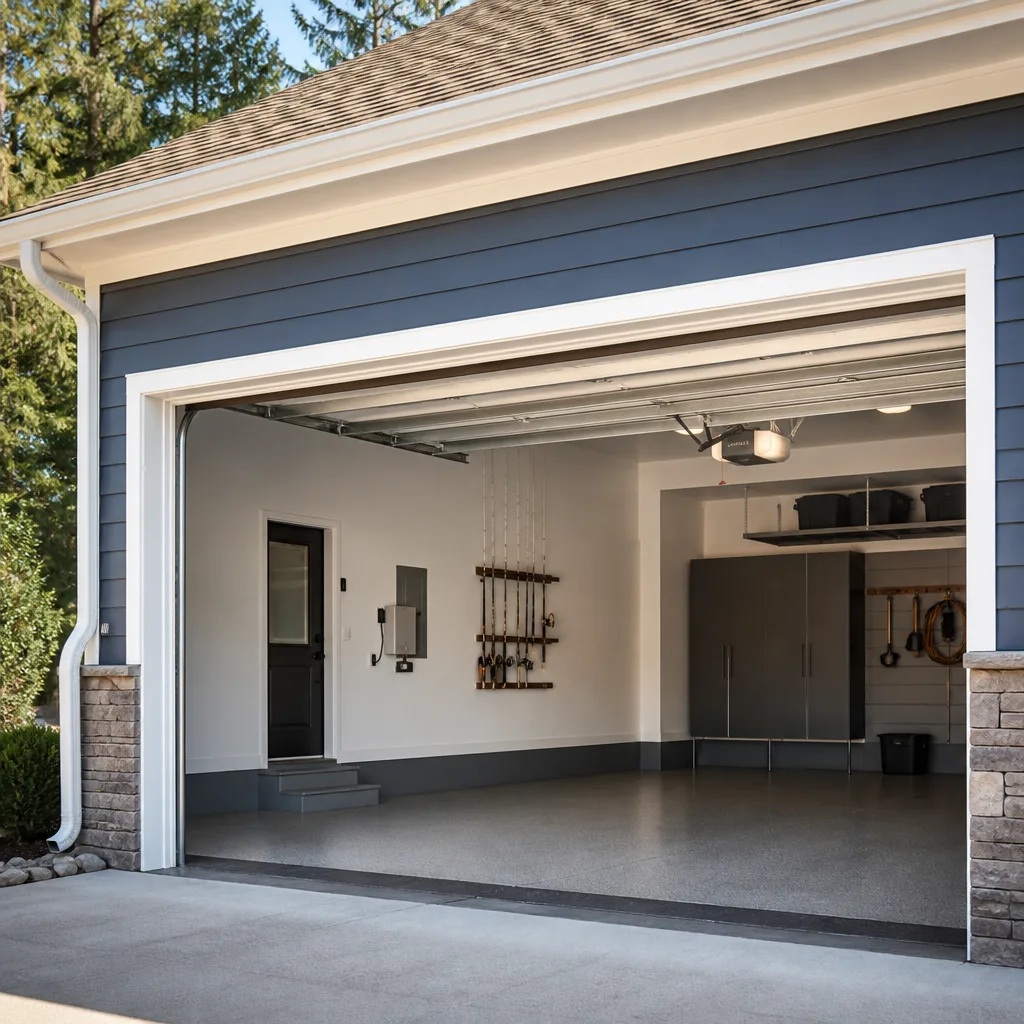 Chamberlain openers
Full 25-point door and opener safety check with every visit - springs, cables, rollers, tracks, and your LiftMaster or Chamberlain opener included
You get a price before we start. It does not change when the pro arrives.
Get your free estimateSeasonal Garage Door Care for Westminster: Year-Round Homeowner’s Guide
Westminster homeowners hear it constantly: “You don’t need seasonal garage door maintenance. The weather’s mild.” That advice is wrong, and it’s the reason so many garage doors in this city develop problems that seem to come out of nowhere. Coastal air, Santa Ana winds, and relentless summer UV don’t announce themselves the way a Minnesota blizzard does. They work quietly, corroding hardware, drying out seals, and contaminating tracks over months. This guide replaces the generic four-season template with a maintenance rhythm built around what actually changes in Westminster, month by month, and you can explore The Complete Garage Door Repair Guide for Westminster Homeowners for deeper context. You’ll learn when to lubricate, what to inspect after a wind event, and which components fail first in this specific climate.
Styles & brands we work with
- Raised-panel steel
- Carriage house
- Modern flush
- Full-view glass
- LiftMaster openers
- Chamberlain openers
Quick Answer
Seasonal garage door care in Westminster means shifting your maintenance schedule around three local realities: the marine layer season from May through September that accelerates oxidation on metal components, Santa Ana wind events that push debris into tracks and seals, and year-round sun exposure that degrades rubber and weatherstripping faster than you’d expect. Lubricate rollers and hinges every 6 months, inspect the bottom seal and weatherstripping each June, check track alignment after major wind events, and test the auto-reverse safety feature monthly. A full tune-up before the October wind season and another before late-winter rain is the rhythm that prevents most failures.
Table of Contents
- Westminster’s Microclimates: The Real Stressors on Your Garage Door
- Monthly Safety Checks That Take 90 Seconds
- The Westminster Lubrication Schedule: Why the Marine Layer Changes Everything
- Santa Ana Wind Events: Your Post-Wind Inspection Protocol
- UV, Heat, and Your Door Panels: What Fails First in Westminster
- Rain Season Prep: Drainage, Seals, and the Corrosion Pathway Nobody Checks
- The Westminster 12-Month Garage Door Calendar
- Common Mistakes to Avoid
- When to Call a Professional
- Frequently Asked Questions
- The Bottom Line
Westminster’s Microclimates: The Real Stressors on Your Garage Door
Westminster sits roughly 8 miles from the Pacific, close enough that coastal air patterns shape daily conditions but far enough inland that temperatures climb higher than beach cities. The result is a specific combination: morning marine layer humidity that burns off into dry afternoon heat. For metal garage door components, this daily humidity-to-dry cycle is more demanding than either condition would be alone.
We see the pattern clearly in the field. Hardware on Westminster garage doors corrodes differently than hardware in, say, Huntington Beach or Santa Ana. Westminster gets enough coastal moisture to start oxidation but enough heat to bake that moisture off quickly, leaving behind salt and mineral residue that accelerates the next corrosion cycle. Hinges, track brackets, and spring hardware are the first casualties. Homeowners often don’t notice until a door starts grinding or a spring snaps.
The practical takeaway: you can’t treat Westminster like an inland desert climate or a coastal zone. Your maintenance needs to account for both moisture and heat, often within the same 24-hour window. That’s what the rest of this guide is built around.
If you’re dealing with a door that’s already showing signs of this wear, Garage Door Repair in Westminster covers the full diagnosis and fix.
Monthly Safety Checks That Take 90 Seconds
Before we get into seasonal care, start with the baseline. These monthly checks take under two minutes and catch most developing problems before they become breakdowns. Set a calendar reminder for the first weekend of each month.
- Auto-reverse test. Place a roll of paper towels flat under the door and close it. The door should reverse within 2 seconds of contacting the roll. If it doesn’t reverse, the opener’s force settings or safety sensors need attention. This is a serious safety issue, not a minor annoyance.
- Visual track scan. Look down both vertical tracks. Bent sections, loose brackets, or visible gaps between the track and wall mean the door is working against itself. Catching this early prevents roller damage.
- Listen while opening. Close the door and open it once, standing inside. Grinding, squealing, or rhythmic clunking are early warnings. A healthy door makes a steady, low hum.
- Balance check. Pull the emergency release cord and manually lift the door halfway. It should stay put. If it drops or shoots up, the springs are wearing and need a professional assessment.
- Sensor alignment glance. Both photo-eye sensors near the floor should have steady indicator lights, not blinking. Blinking lights mean misalignment, which prevents the door from closing properly.
These checks take 90 seconds on a normal day. They’ll catch most issues months before they become breakdowns that leave your car trapped inside the garage at the worst possible time.
The Westminster Lubrication Schedule: Why the Marine Layer Changes Everything
From May through September, Westminster mornings start with marine layer fog that typically burns off by 10 a.m. This pattern matters for lubrication because it changes how often you need to reapply. In dry inland climates, garage door lubrication can go 12 months between applications. In Westminster, the daily humidity cycle breaks down lubricant films faster.
Here’s what happens: morning moisture settles on metal surfaces. As the day heats up, that moisture evaporates, but not before it has penetrated the thin lubricant layer on hinges and rollers. Over weeks, this cycle thins the film and exposes metal to friction. By late summer, many Westminster doors are running with significantly reduced lubrication, and owners notice the difference as squeaking or jerky movement.
We recommend a 6-month lubrication schedule in Westminster, with one application timed for the start of the marine layer season in May and another in November as the rainy season approaches.
What to Lubricate (and What to Skip)
- Hinges: Apply a silicone-based or lithium-based garage door lubricant to all hinge pivot points. One short spray per hinge is enough. Wipe away excess with a rag.
- Rollers: If you have metal rollers, lubricate the bearings. If you have nylon rollers, the wheel itself doesn’t need lubricant, but the bearing inside does. Skip this if you’re unsure how to access the bearing safely.
- Springs: Torsion springs benefit from a light coating to reduce friction between coils. Do this with the door closed and the spring stationary. Never attempt to adjust or replace springs yourself, they are under extreme tension and require professional handling.
- Latch and lock mechanisms: A small amount of lubricant keeps these working smoothly.
- Skip the track: This is the most common mistake we see in Westminster garages. Lubricating the track attracts dust and debris, which creates a grinding paste that accelerates roller wear. Tracks should be clean and dry, not lubricated.
If you have a LiftMaster, Chamberlain, Genie, or Craftsman opener, the opener rail (the metal bar the carriage rides along) needs its own light lubrication with the same product. These drive systems operate differently than door hardware and need a thin, even coat. We service all four of those brands regularly at Garage Door Opener Repair in Westminster when lubrication isn’t the root cause.
Santa Ana Wind Events: Your Post-Wind Inspection Protocol
Santa Ana winds are the most underrated threat to Westminster garage doors. These dry, gusty offshore winds typically arrive between September and February, and they don’t damage doors through brute force. They damage through debris. Wind-blown leaves, twigs, dirt, and occasional trash get pushed against and under garage doors. Some of it ends up in the tracks. Some ends up behind the weather seal. And some lodges in places you won’t see without looking.
Here’s the problem: a small obstruction in a garage door track doesn’t stop the door immediately. It creates gradual misalignment. The door continues operating, slightly off-axis each cycle, while a roller develops a flat spot and a hinge begins to stress. By the time the door jams or a roller breaks, the damage has been compounding for weeks. The same is true for debris caught in the bottom seal. It creates a gap that lets in more dirt and moisture, and the problem builds on itself.
Your Santa Ana protocol should be event-driven, not calendar-driven. After any wind event strong enough to scatter leaves across your driveway, spend 10 minutes on this checklist:
- Clear the door’s exterior path. Sweep or blow away debris from the garage apron, especially anything that has accumulated against the bottom of the closed door.
- Inspect both tracks from top to bottom. Use a flashlight. Look for leaves, twigs, or pebbles nested where the track meets the wall or in the curve at the top. Remove anything you find by hand. Don’t use a tool that might scratch or bend the track.
- Check the bottom seal. Run your hand along the rubber strip at the bottom of the door. Feel for anything embedded in it and check that the seal sits flush against the concrete when the door is closed.
- Cycle the door once, watching and listening. Does it hesitate? Does it sound different than usual? Any new sound after a wind event likely means something got pushed somewhere it shouldn’t be.
- Inspect weatherstripping around the door frame. Wind can loosen or tear side and top seals, especially on older doors. Gaps here let in rodents and dust during the next wind event.
In our experience, Westminster homes in the eastern part of the city, closer to the Santa Ana River channel, tend to collect more wind-blown debris than neighborhoods closer to the 405. But every home in Westminster sees enough wind to make this protocol worth following.
UV, Heat, and Your Door Panels: What Fails First in Westminster
Westminster gets an average of 280 sunny days per year. That sun exposure is doing more to your garage door than you probably realize. Three components absorb most of the damage, and none of them announce the problem until it’s advanced.
Bottom seals and weatherstripping are first. These rubber and vinyl components lose their flexibility under UV exposure, especially on south-facing and west-facing doors that absorb afternoon sun. A seal that’s still intact may have lost its compression memory, meaning it no longer forms a tight barrier against the concrete floor. That’s how water gets in during winter rains even when the seal “looks fine.” We recommend inspecting these seals every June, before the hottest months arrive, and replacing them proactively every 3 to 4 years in Westminster. Waiting until they crack means you’ve already had months of reduced protection.
Steel door panels are second. Modern steel doors from manufacturers like Amarr, Wayne Dalton, and Raynor have factory finishes designed to resist fading. But that protection is a coating, and coatings wear. Within 8 to 12 years, many Westminster doors show visible color shift, especially on panels that catch afternoon sun. The panel itself rarely fails from sun exposure, but faded panels reduce curb appeal and signal that the protective layer has degraded. Touch-up paint or a new door becomes the decision. If you’re thinking about a new door, Garage Door Installation in Westminster covers the options and lets you see what’s available from brands like Amarr, Wayne Dalton, and Raynor.
Wood doors and trim are third, and they’re the most vulnerable. If your Westminster home has an older wood door or wood trim around the opening, UV damage leads to checking, splitting, and eventually rot once moisture gets in. Annual inspection and refinishing every 2 to 3 years is not optional for wood in this climate. Most homeowners who replace a wood door in Westminster choose steel or fiberglass specifically because of the maintenance burden.
What to Do Each June
- Inspect the bottom seal for flattening, stiffness, or gaps. Replace if it doesn’t sit flush.
- Check side and top weatherstripping for brittleness. Squeeze it. If it doesn’t spring back, replace it.
- Wash the door with mild soap and water to remove built-up dust and salt residue from the marine layer. Rinse thoroughly.
- Inspect the panel surface for fading, chalking, or rust spots, especially along the bottom edge and around hardware penetrations.
- Feel the door’s surface temperature in the late afternoon. If it’s hot enough to be uncomfortable on your hand, the garage interior is absorbing meaningful heat. A radiant barrier or insulated door may be worth considering.
Rain Season Prep: Drainage, Seals, and the Corrosion Pathway Nobody Checks
Westminster’s rainy season is short but intense when it arrives. Most of the city’s annual rainfall comes between December and March, often in a handful of significant storms. For garage doors, the danger isn’t the rain itself. It’s what the water does once it’s on the ground.
The corrosion pathway we see most often in Westminster starts at the bottom of the door. When the bottom seal is compromised, even slightly, rain water seeps under the door. That water pools against the bottom track brackets, the cable drums, and the bottom panel. Cables and drums are typically zinc-coated, but standing water plus the salt residue from Westminster’s coastal air means that protective coating breaks down faster than it would inland. Left unaddressed, this leads to cable rust, drum pitting, and eventually cable failure. And garage door bottom brackets and cables are under constant tension. A rusted cable that snaps is a serious safety event.
Before the rains arrive, typically in November, focus on three things:
- Drainage around the garage apron. Check that the ground slopes away from the garage door, not toward it. Over time, soil settles and concrete shifts. If water flows toward the garage during rain, regrade or add a channel drain. This is the single most effective thing you can do to protect your door system from water damage.
- Bottom seal integrity. Close the door and inspect the seal from both inside and outside. Look for gaps where the seal meets the floor. A common issue in Westminster is a seal that looks fine but has lost flexibility from UV exposure, as described in the previous section. When in doubt, replace it before the rains, not after the first storm.
- Hardware inspection at ground level. Look at the bottom brackets, cable drums, and the first few feet of cable on both sides. Surface rust here is a warning sign. If you see rust, have a professional assess the extent. Surface rust on a bracket is cosmetic. Rust that has penetrated a cable or drum is a structural problem waiting to happen.
If you do find rusted cables or a failing bottom seal and you’re not sure how serious it is, call us. Redwood Garage Door Repair offers free estimates in Westminster, and we’ll tell you straight whether it’s a simple fix or something that needs attention before it gets worse, as covered in our The Complete Garage Door Repair Guide for Westminster Homeowners. We work on the brand you already have, from the door itself to the opener system, and garage doors are all we do.
The Westminster 12-Month Garage Door Calendar
Forget the generic spring/summer/fall/winter maintenance schedule. Here’s a month-by-month overlay built for Westminster’s actual climate patterns. Keep this somewhere accessible, like the inside of a garage cabinet door.
January – February
- Peak rainy season. Check for water intrusion after each significant storm.
- Inspect bottom seal and ground-level hardware for signs of moisture or rust.
- Watch for wind-blown debris in tracks after winter storms.
- Run the monthly safety checks without exception, especially the auto-reverse test.
March – April
- Post-rain season evaluation. Look for any rust that developed during winter.
- Clean the track thoroughly. Remove any accumulated dust or debris from winter winds and rain.
- Check weatherstripping for damage from winter storms.
- Consider a full door tune-up if you skipped it in the fall.
May
- Marine layer season begins. Apply the first of your two annual lubrication treatments.
- Check all hinges and rollers for wear.
- Inspect springs for signs of fatigue, such as visible gaps in torsion spring coils.
June
- Summer inspection. Check the bottom seal and weatherstripping for UV damage and replace proactively if needed, as detailed in the UV section above.
- Wash the door to remove marine layer salt residue.
- Evaluate whether your door needs an insulated option given the summer heat. A full new door from brands like Amarr or Wayne Dalton might be more cost-effective than fighting heat gain every summer.
July – August
- Peak heat and UV. Listen for any creaking or grinding that indicates the May lubrication is already wearing thin. Marine layer humidity plus heat breaks down lubricant faster than either condition alone.
- Check rubber components for heat-induced brittleness.
- Keep the track clean and dry. Tracks should never be lubricated, even in hot weather.
September – October
- Santa Ana season begins. Run the post-wind inspection protocol after every significant wind event, not on a set schedule.
- Schedule your fall tune-up. This is the most important maintenance action of the Westminster year, ensuring the door is in optimal condition before the combined wind and rain season.
- Inspect the balance of the door. If it’s off, have it adjusted before the door cycles more frequently with holiday traffic.
November
- Rain prep month. Apply the second lubrication of the year.
- Check drainage around the garage apron. Address any issues before the first major storm.
- Replace the bottom seal if you didn’t do it in June and it’s showing wear.
- Inspect cable drums and bottom brackets for any rust that developed during the marine layer season.
December
- Rainy season is here. After each storm, check for water under the door and wipe down any moisture on lower hardware.
- Continue monthly safety checks through the holidays, when garage doors see more cycles than usual.
- If your opener is acting up during holiday hosting, remember that Garage Door Opener Repair in Westminster covers LiftMaster, Chamberlain, Genie, and Craftsman systems specifically. Your opener, diagnosed correctly the first time.
Common Mistakes to Avoid
- Skipping maintenance because “the weather is mild.” This is the most common mistake we hear from Westminster homeowners, and it’s the one that leads to the most expensive repairs. Mild weather doesn’t mean no weather. Coastal humidity, UV, and wind all take their toll.
- Lubricating the track. Tracks should be clean and dry. Adding lubricant creates a grinding paste with dust and debris, which accelerates roller and track wear. If your track is sticky, it needs cleaning, not lubrication.
- Using WD-40 on garage door hardware. WD-40 is a solvent, not a lubricant for this application. It breaks down existing lubricant and leaves metal surfaces less protected. Use a silicone-based or lithium-based garage door lubricant instead.
- Ignoring Santa Ana wind debris. A leaf in the track won’t break your door today. But if it causes misalignment that goes uncorrected for weeks, the eventual repair is far more expensive than the 10 minutes it takes to clear debris after a wind event.
- Waiting for the bottom seal to crack before replacing it. In Westminster, UV damage shows up as flattening and stiffness before visible cracking. By the time a seal cracks, it’s been underperforming for months. Replace proactively every 3-4 years.
- Attempting spring replacement or spring adjustment as a DIY project. Garage door torsion springs are under enough tension to cause serious injury or death if mishandled. This is the one task where “I’ll try it myself” is never the right call. A trained professional can do it safely in under an hour in most cases.
- Neglecting drainage around the garage apron. Many Westminster homes were built decades ago, and soil has settled since. Water that pools against your garage door during winter rain is quietly corroding your door’s lowest hardware. Fixing drainage is boring, but far cheaper than replacing cables and drums every few years.
When to Call a Professional
Most of what’s in this guide is within a capable homeowner’s reach. But several situations require a trained eye, and some require specialized training and tools. Call a professional if you notice a broken or visibly stretched spring, cables that are frayed or rusted, a door that’s come off its track, or an opener that won’t respond to either the remote or the wall button. These are not maintenance items. They’re repair situations, and delaying them makes the repair worse.
You should also call if your door is making a sound you can’t identify. Grinding from the opener area often means a failing gear. Squealing from the rollers means bearing wear. Clunking from the panel joints means loose hinges or track misalignment. The sooner these are diagnosed, the less you’ll spend.
Redwood Garage Door Repair offers free estimates in Westminster. Call (833) 593-4519 and we’ll give you a straight assessment. We’re a dedicated garage door specialist serving Westminster, and from a broken spring to a full new door, we handle it all in house. You can also see our full service areas on the Redwood Garage Door Repair home page.
Frequently Asked Questions
Every 6 months in Westminster, ideally in May and November. The marine layer humidity from May through September breaks down lubricant films faster than in drier inland cities, so a 6-month interval keeps your door running smoothly year-round. Use a silicone-based or lithium-based lubricant, and skip the track entirely. For an exact quote on a tune-up, call (833) 593-4519.
Yes. Morning marine layer moisture settles on metal components like hinges, springs, and track brackets, and as the day heats up, that moisture evaporates and leaves behind salt and mineral residue that accelerates corrosion. Westminster homes see oxidation on garage door hardware faster than homes further inland because of this daily moisture-to-heat cycle. The solution is a consistent lubrication schedule and annual hardware inspection.
Clear debris from the door’s exterior path, inspect both tracks from top to bottom for leaves or twigs, check the bottom seal for embedded debris or damage, cycle the door once and listen for unusual sounds, and inspect the weatherstripping around the frame. This takes about 10 minutes and prevents the slow misalignment that wind-blown debris causes. For a professional post-wind check, call (833) 593-4519.
A bottom seal typically lasts 3 to 4 years in Westminster, though doors with heavy southern or western sun exposure may need replacement sooner. UV degradation affects the seal’s flexibility before it causes visible cracking, so a seal that looks intact may already be failing. Check it every June and replace proactively rather than waiting for water intrusion during winter rain.
No. Seasonal noise changes in Westminster usually indicate wind-blown debris in the track or drying lubrication. After a wind event, check the tracks and remove any debris. If the noise persists, the issue is likely lubricant breakdown or a developing mechanical problem. A noisy door is an early warning, not a personality quirk. For a professional diagnosis of any persistent garage door sound, call (833) 593-4519.
No. Garage door torsion springs are under thousands of pounds of tension, and a spring letting go unexpectedly can cause serious injury or death. Professional spring replacement requires specific training, tools, and safety procedures. This is the one repair where hiring a specialist is not just recommended, it’s the only safe option. We replace springs in Westminster homes regularly, and the job usually takes under an hour.
The Bottom Line
Westminster garage doors fail for predictable reasons: marine layer corrosion, UV-degraded rubber, Santa Ana debris, and winter water intrusion. All four are manageable with a maintenance rhythm that matches the city’s actual climate patterns. Lubricate every 6 months, inspect seals each June, clear debris after every wind event, and prepare drainage before the rains. That’s the whole system. If you notice something that doesn’t look or sound right, or if it’s been a year or more since anyone looked at your door professionally, call (833) 593-4519. Redwood Garage Door Repair is built around garage doors, and we’d rather catch a small problem early than replace a big one later. For more guides & resources, visit our blog.
Written by the team at Redwood Garage Door Repair, serving Westminster.
See the difference
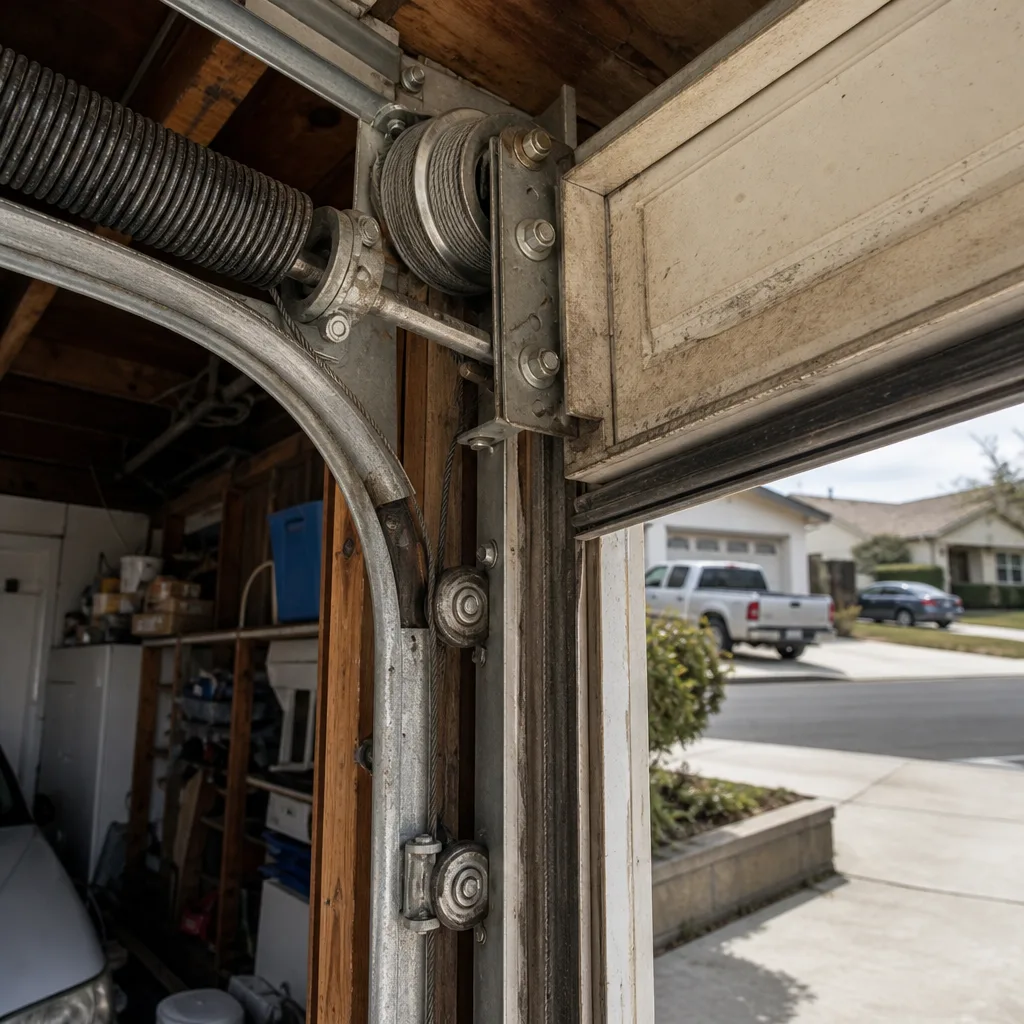 Before
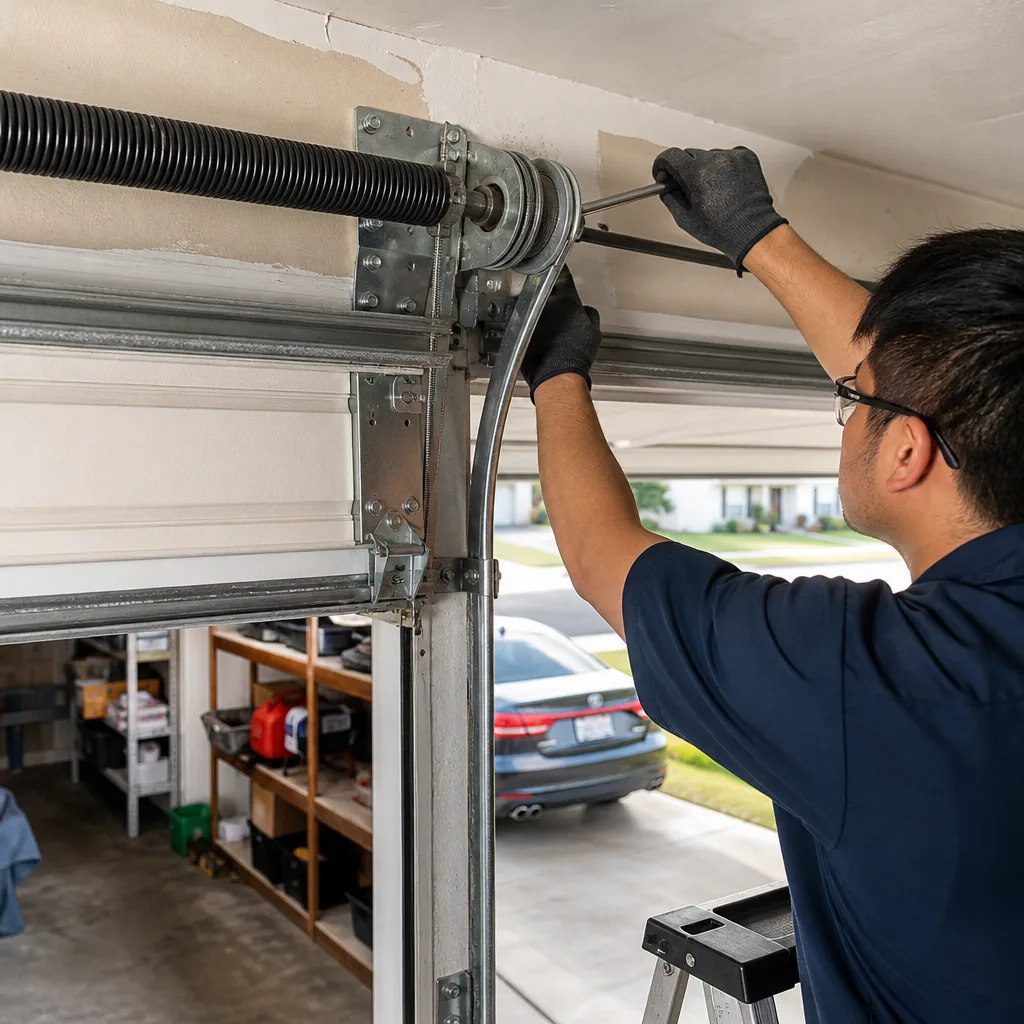 After
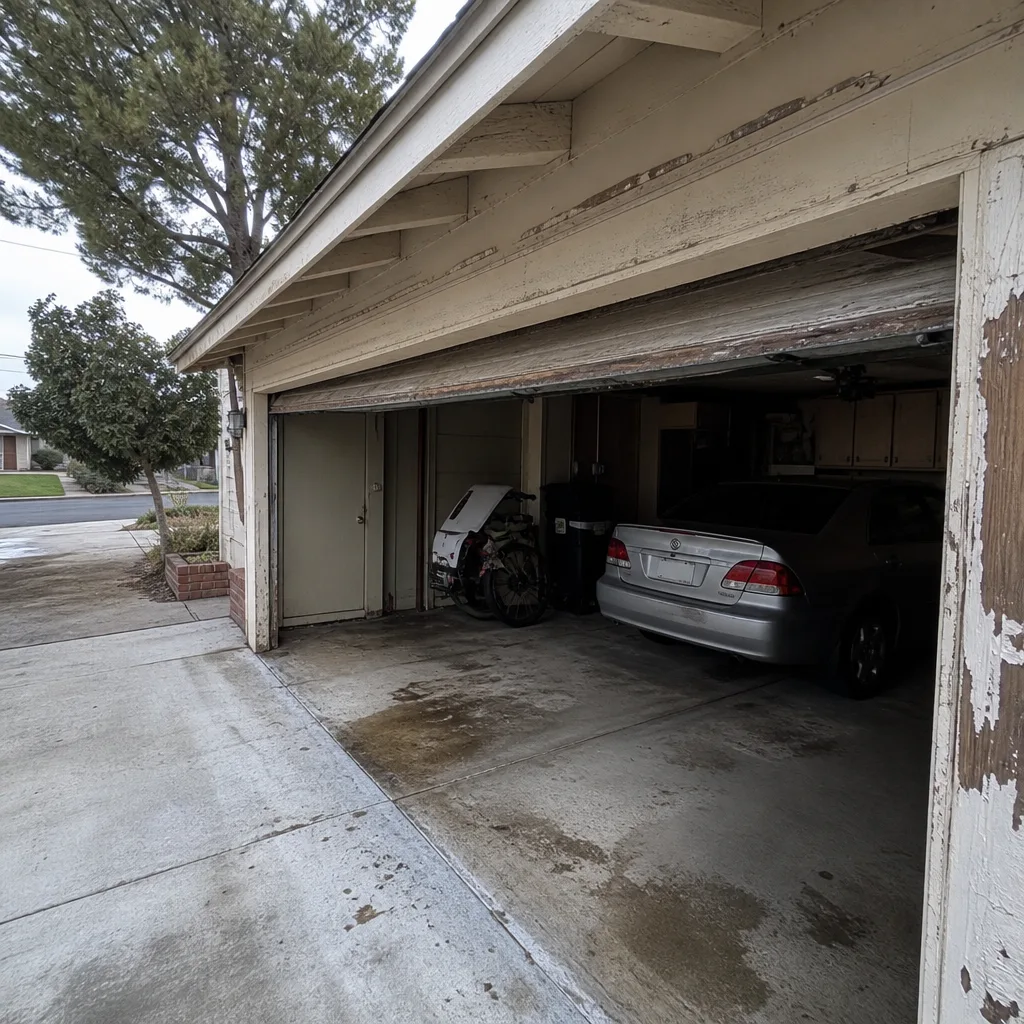 Before
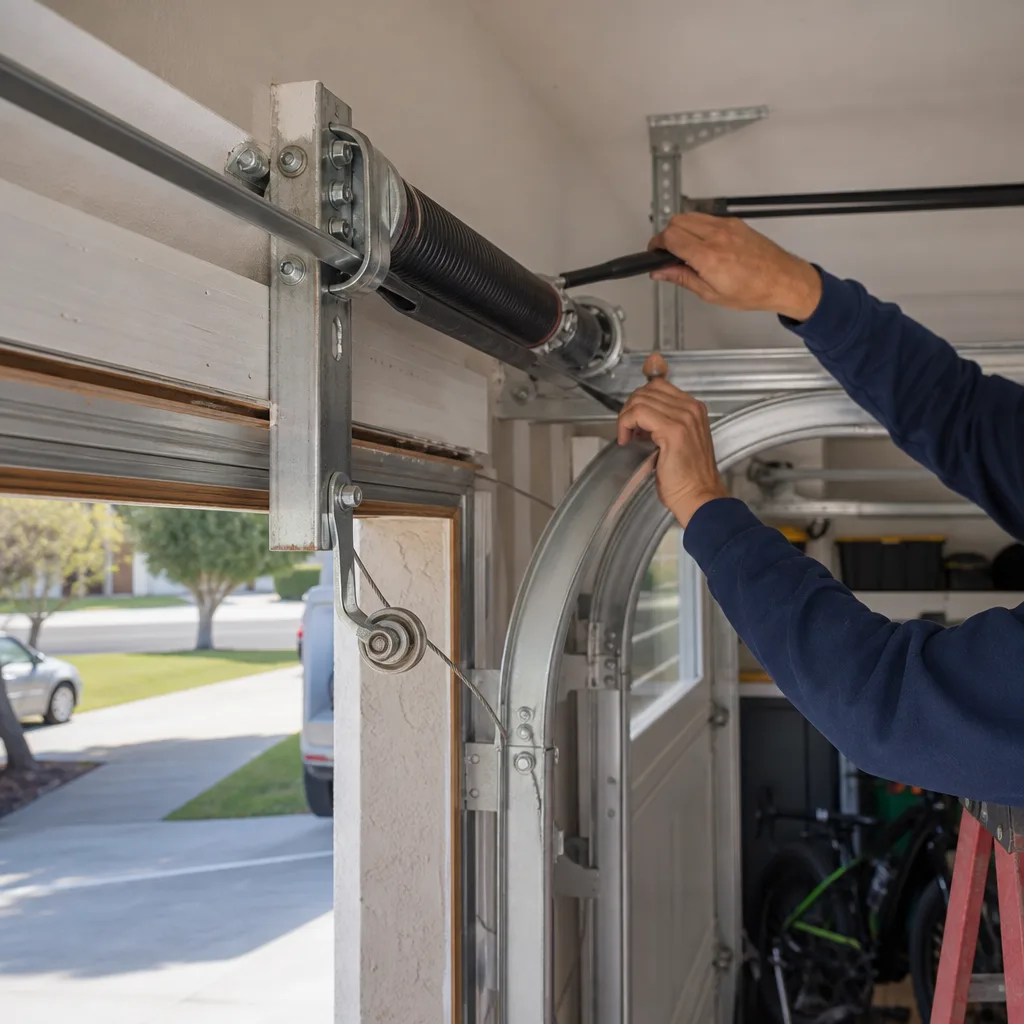 After
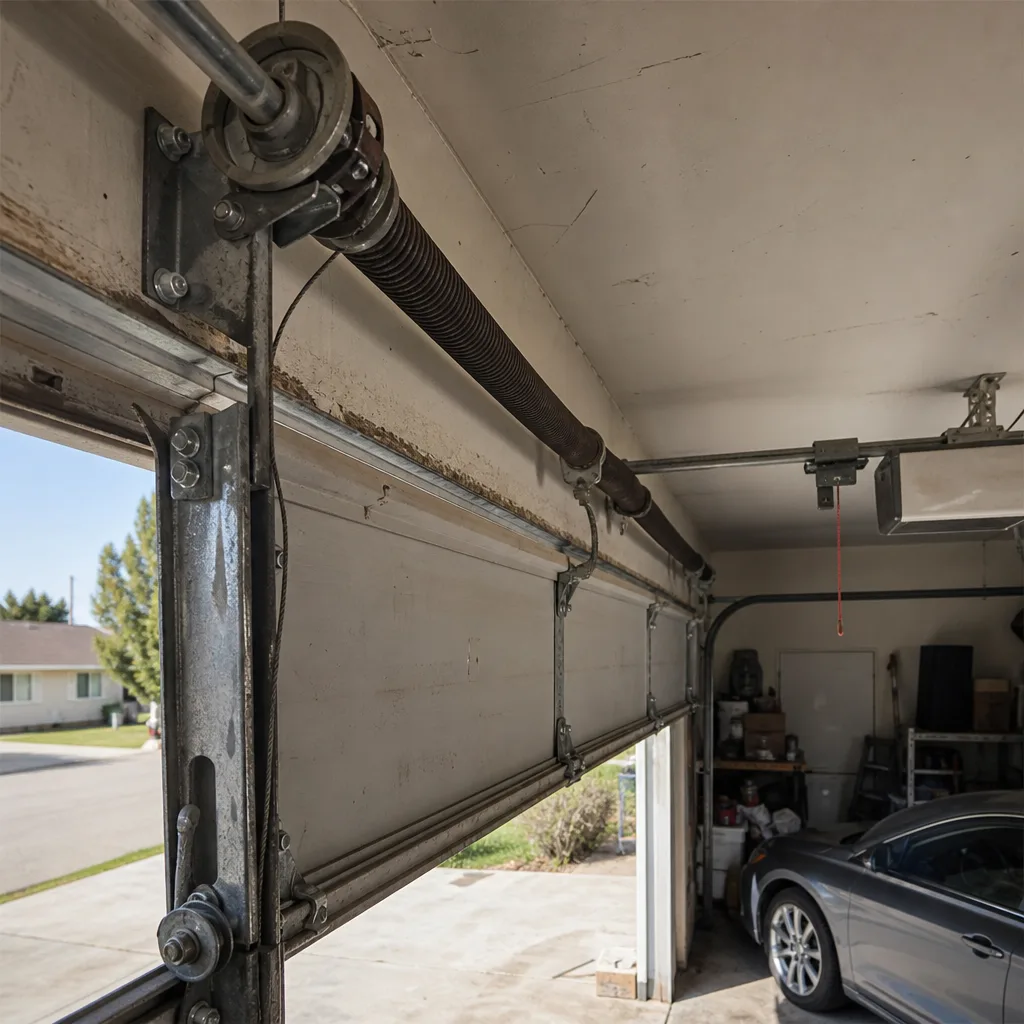 Before
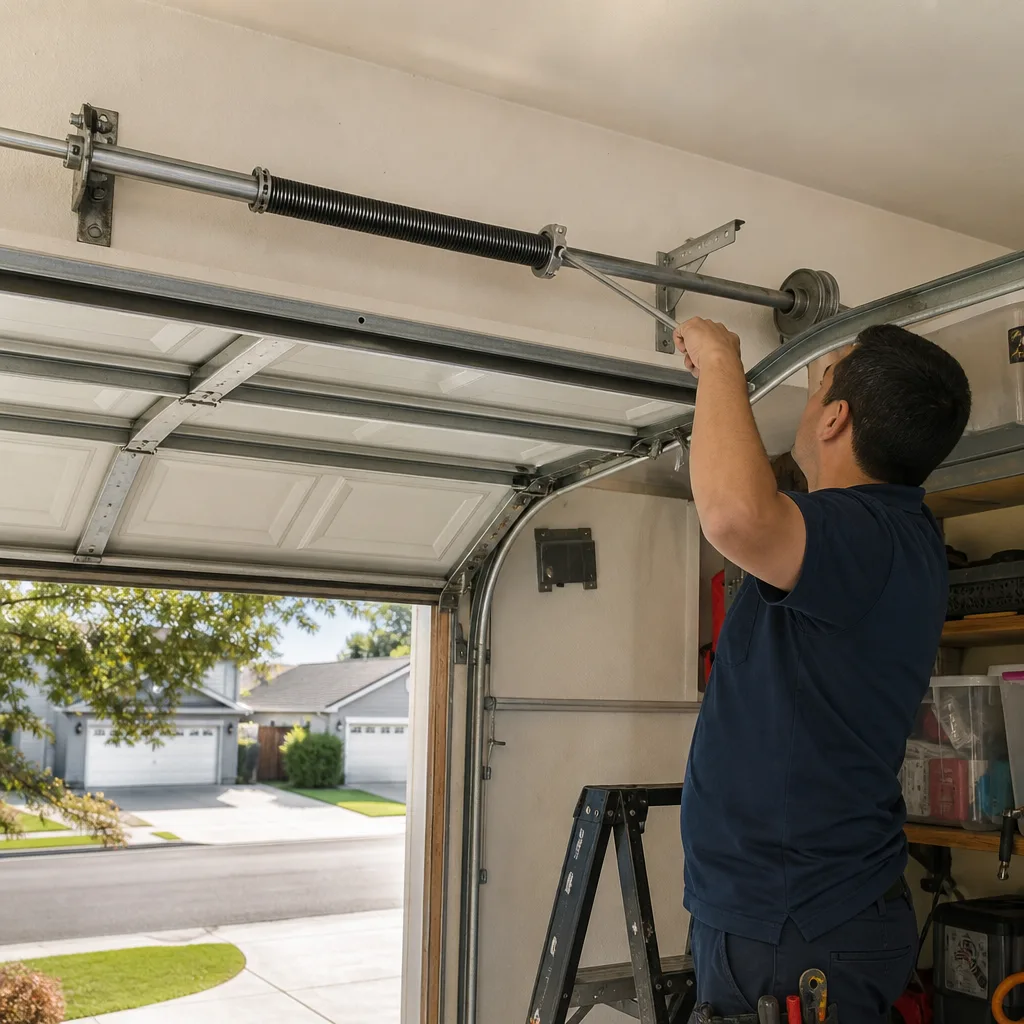 After