
Last updated November 2, 2026
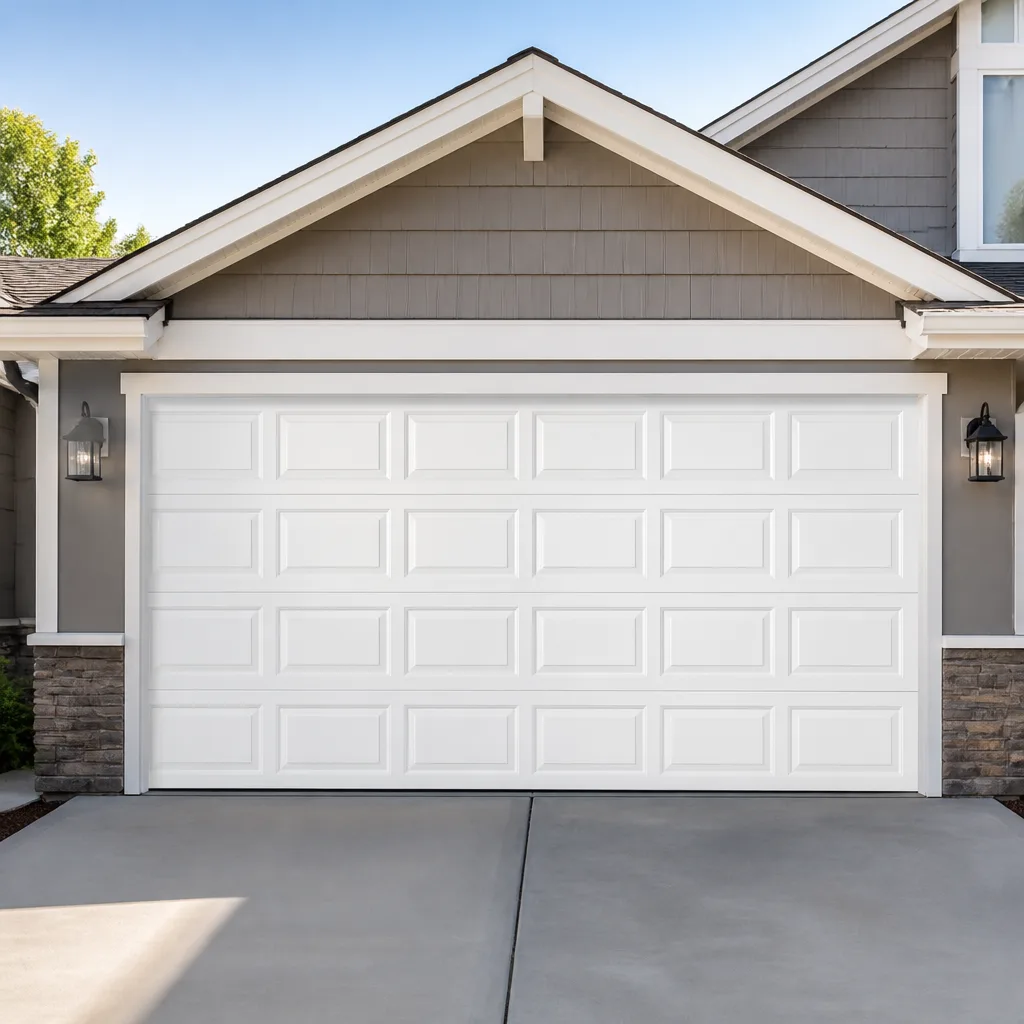 Raised-panel steel
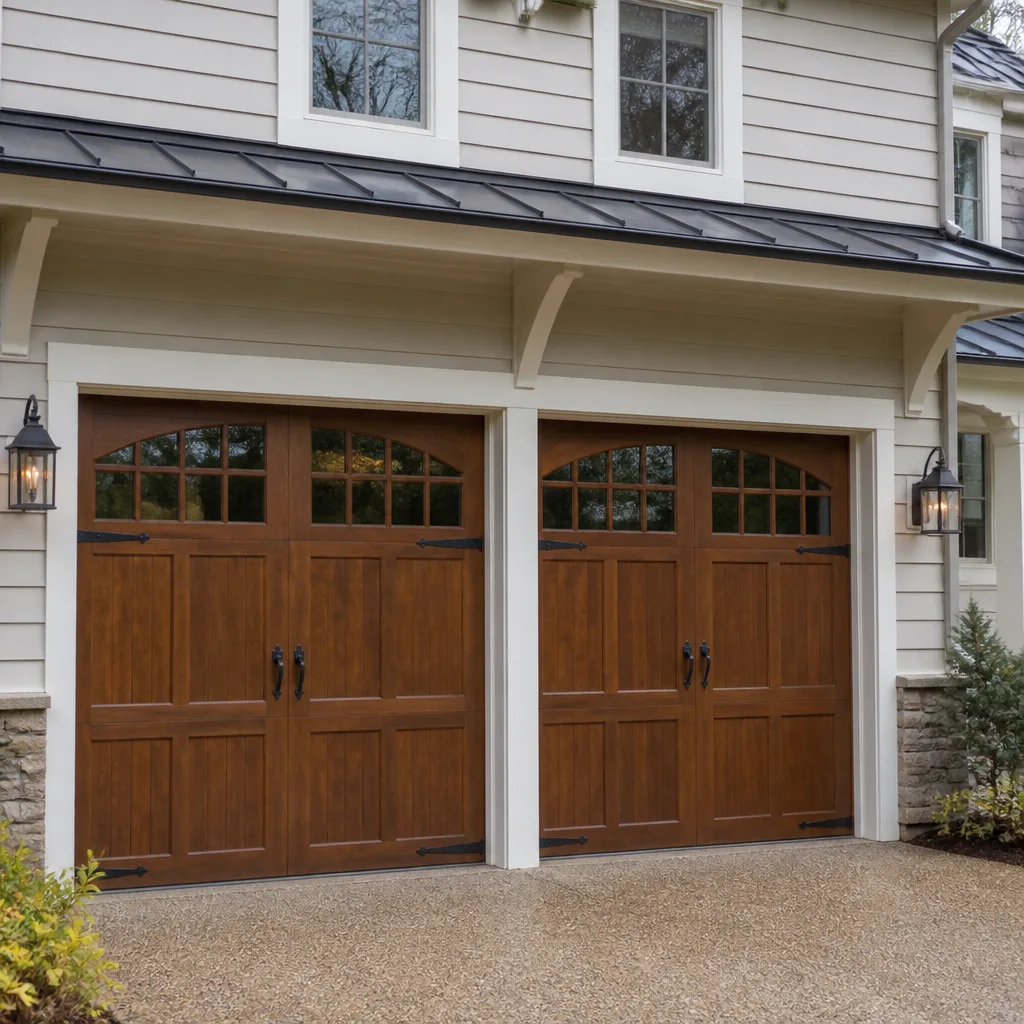 Carriage house
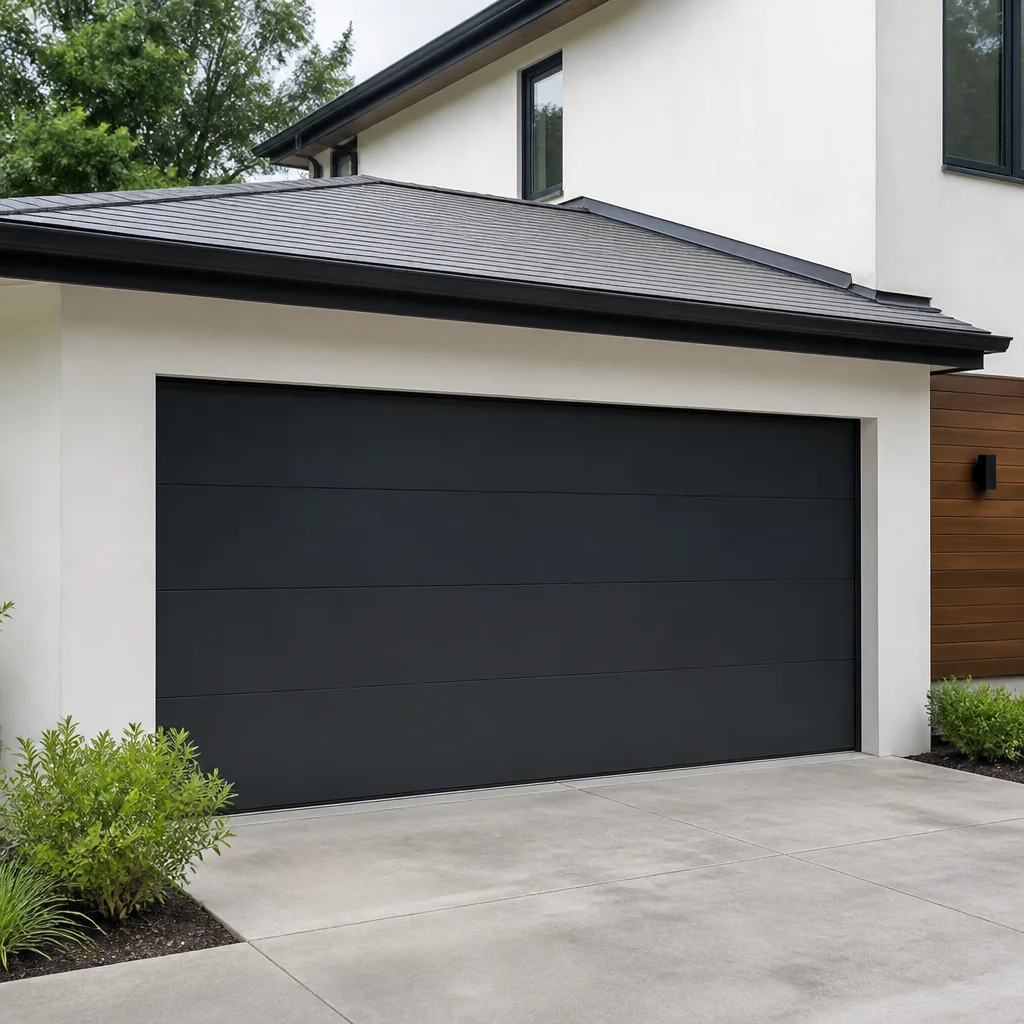 Modern flush
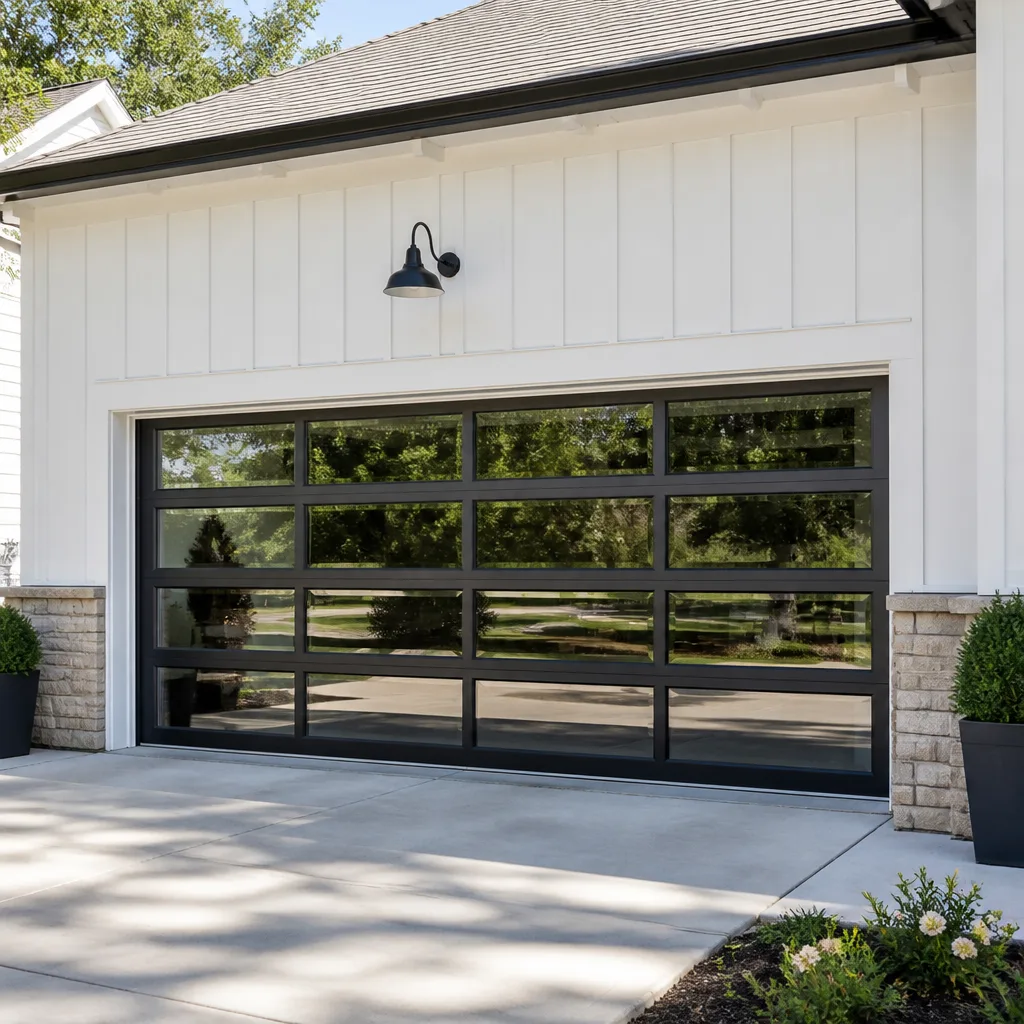 Full-view glass
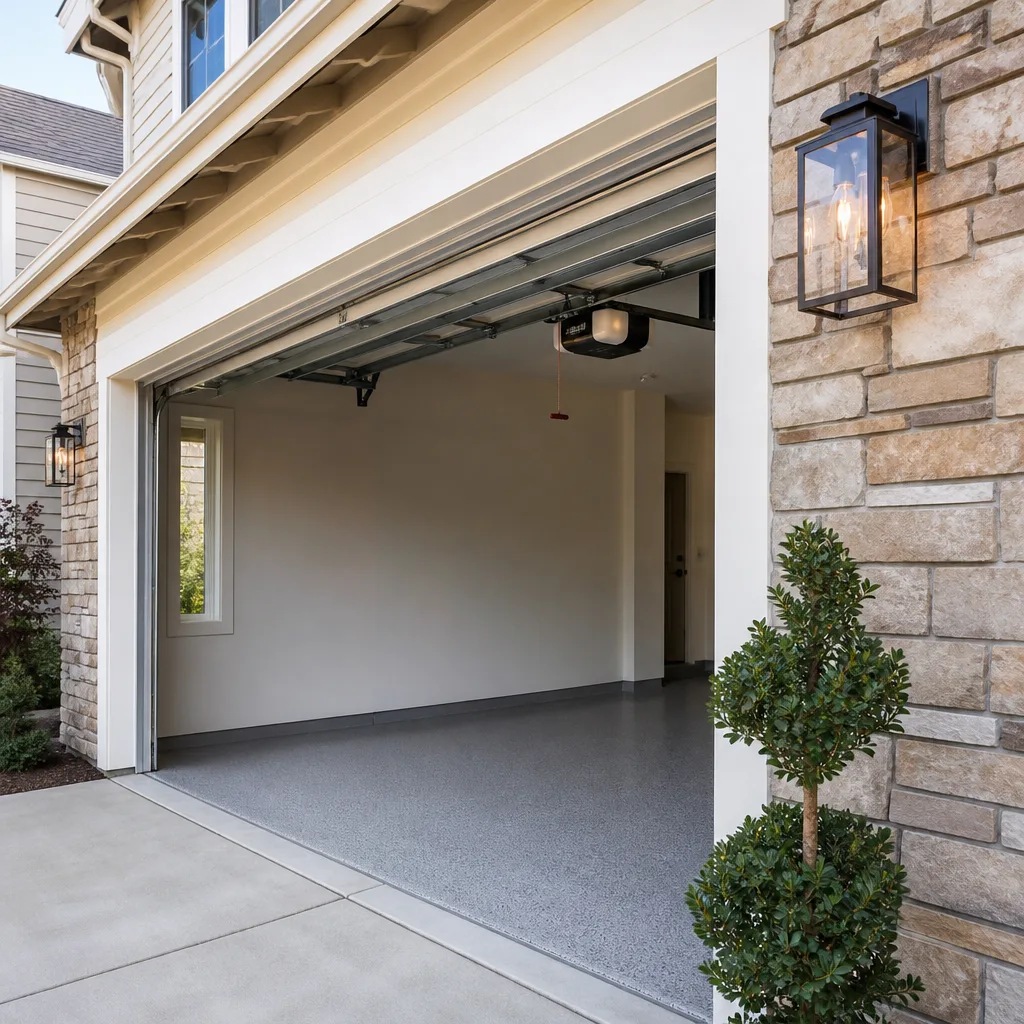 LiftMaster openers
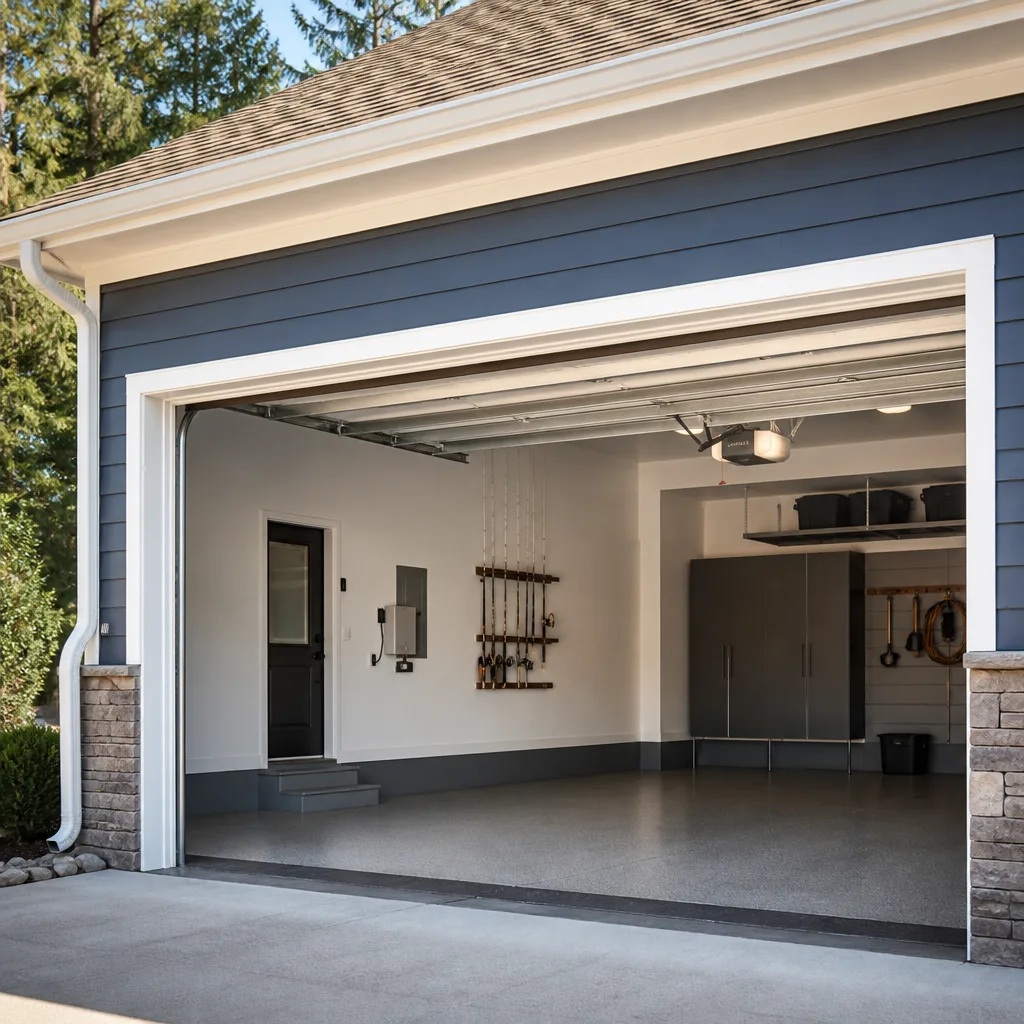 Chamberlain openers
Full 25-point door and opener safety check with every visit - springs, cables, rollers, tracks, and your LiftMaster or Chamberlain opener included
You get a price before we start. It does not change when the pro arrives.
Get your free estimateThe Complete Garage Door Repair Guide for Westminster Homeowners
Most garage door repair guides were written for Phoenix or Chicago. They talk about dry heat cracking rollers or freezing temperatures snapping springs. Westminster, California sits close enough to the Pacific that salt air drift and marine layer humidity corrode hardware in ways those guides never mention, and hot inland heat spikes from late summer afternoons stress metal that’s already been weakened by moisture. This guide covers what actually fails on Westminster garage doors, why it fails faster here than ten miles inland, what you can safely handle yourself, and what requires a specialist who understands this specific climate. You’ll also learn how to spot a legitimate repair estimate from a padded one, and why brand-specific knowledge matters more than most homeowners realize.
Quick Answer
Garage door repair in Westminster, CA typically costs between $125 and $450 for common fixes like spring replacement, cable repair, and roller swaps, with torsion spring replacement being the most frequent repair we see in this area due to accelerated corrosion from coastal air. Most repairs take 45 to 90 minutes once a technician arrives, and the right specialist will diagnose the actual problem rather than guessing at it.
Styles & brands we work with
- Raised-panel steel
- Carriage house
- Modern flush
- Full-view glass
- LiftMaster openers
- Chamberlain openers
Table of Contents
- How Westminster’s Climate Accelerates Garage Door Failure
- The Repair Priority Matrix: DIY, Specialist, or Replace
- Brand-Specific Repair Considerations for Westminster Homes
- The Most Common Garage Door Repairs in Westminster
- What a Legitimate Westminster Repair Estimate Should Include
- Documenting Repairs for HOA Compliance in Westminster
- Preventative Maintenance for Westminster’s Climate
- Common Mistakes to Avoid
How Westminster’s Climate Accelerates Garage Door Failure
Westminster sits roughly six to eight miles from the Pacific Ocean. That distance matters. The marine layer rolls in most evenings from late spring through early fall, dropping humidity levels to 70 to 85 percent overnight and leaving a fine layer of moisture on exposed metal. Garage door springs, cables, hinges, and rollers are all exposed to this nightly moisture cycle, and the result is predictable: rust forms faster here than in Anaheim, Garden Grove, or Santa Ana, which sit further from the coast.
Salt air compounds the problem. Westminster’s prevailing onshore breeze carries microscopic salt particles inland from the coast. Over time, salt deposits accumulate on galvanized springs and coated cables, accelerating corrosion even on components that would last a decade in a drier climate. We regularly replace torsion springs in Westminster neighborhoods like Bolsa Chica and Midway City that have failed after five to six years – springs that would typically last eight to ten years in inland Orange County cities.
Then there’s heat cycling. Westminster summer afternoons regularly push past 85 degrees, and garage interiors can reach 110 degrees or more. A metal spring expands in that heat. When the marine layer returns at night, temperatures drop 30 degrees and the spring contracts. This daily expansion-contraction cycle creates microscopic stress fractures in spring steel, especially when the metal has already been weakened by surface rust. The result is springs that snap not from a single overload, but from cumulative fatigue.
What this means practically: if you live in Westminster and your garage door spring breaks, a replacement spring rated for standard residential use may wear out faster than the manufacturer’s stated cycle life. Higher-cycle springs, typically rated for 25,000 to 50,000 cycles, are worth considering here, and a spring with proper rust-inhibiting coating will outlast a bare steel spring by several years in this specific environment.
The Repair Priority Matrix: DIY, Specialist, or Replace
Not every garage door problem requires a service call. Not every problem can be safely addressed with a wrench from the hardware store either. Understanding where your issue falls on the priority matrix saves you money and keeps you safe.
Tier 1: Safe to Handle Yourself
- Lubricating rollers, hinges, and tracks – Use a silicone-based or lithium-based garage door lubricant, not WD-40, which is a solvent that strips protective oils. Apply every six months in Westminster’s climate.
- Tightening loose track bolts – Over time, vibration loosens the bolts that hold vertical and horizontal tracks. A socket wrench and ten minutes fixes this.
- Cleaning photoelectric sensor lenses – Dust, spider webs, and salt film accumulate on the small lenses at the bottom of both door tracks. A soft cloth clears most false obstruction errors.
- Replacing remote control batteries – If the wall button works but the remote doesn’t, this is the first thing to check.
- Checking and resetting the opener’s force settings – Consult your opener’s manual; most have adjustment dials on the motor unit.
Tier 2: Requires a Specialist
- Torsion spring replacement – Torsion springs are under several hundred pounds of tension. A spring releasing unexpectedly can kill. This is the single most dangerous component in your home. Never attempt this repair yourself.
- Cable replacement – Lift cables run alongside both sides of the door and work with the springs. When a cable breaks or frays, the door can drop unevenly and injure anyone underneath it.
- Track realignment – Bent or misaligned tracks require the door to be safely blocked and the tracks repositioned or replaced. A door that jumps its track under load becomes a falling hazard.
- Opener logic board failures – Modern openers from LiftMaster, Chamberlain, Genie, and Craftsman have internal circuit boards. Diagnosing a failed board requires testing specific voltage points, and misdiagnosis is common.
- Door panel replacement – Replacing a dented or damaged bottom panel requires correctly routing cables and balancing the door afterward.
Tier 3: Past Economical Repair
If your door has two or more of the following conditions, a full replacement usually costs less than continuing to patch it: a rusted-through bottom panel, three or more broken hinges, a bent track on both sides, a door older than roughly 18 to 20 years with extensive surface rust, or a spring system that has been re-tensioned more than once. For a free assessment, see our Garage Door Installation in Westminster page, which covers what new door pricing looks like in this market.
Brand-Specific Repair Considerations for Westminster Homes
Westminster’s housing stock spans several construction eras. Homes built in the 1960s and 1970s in neighborhoods like Willowick and Meredith Park often still have original wooden doors or early steel doors paired with openers from brands that no longer manufacture replacement parts. Homes built in the 1990s and 2000s commonly have LiftMaster or Chamberlain opener systems, while newer tracts and remodels often feature Clopay or Amarr doors with smart-capable openers.
This matters because brand-specific failure patterns exist. Raynor doors, common in many Westminster homes from the 90s, tend to have specific hinge and roller designs that require matching parts rather than universal replacements. A universal roller installed in a Raynor track will rattle and wear unevenly. Similarly, older Craftsman openers, which were manufactured by Chamberlain under the Sears brand, frequently develop gear-and-sprocket failures after a decade of use – a repair that requires opening the motor housing and replacing the drive gear assembly, not simply swapping a remote.
When a technician tells you they can fix “any door,” ask which brands they work on regularly. A technician who services LiftMaster and Chamberlain daily will diagnose a logic board issue correctly the first time rather than replacing parts until something works. For opener-specific problems, our Garage Door Opener Repair in Westminster service exists precisely because motorized components fail differently than mechanical door hardware, and misdiagnosis is expensive.
The Most Common Garage Door Repairs in Westminster
In our experience working on doors across Westminster – from the older ranch homes near Westminster Boulevard to the newer communities east of the 405 – these five repairs account for the large majority of service calls.
1. Torsion Spring Replacement
Torsion springs are the most replaced component on any garage door, anywhere. In Westminster, the replacement rate runs noticeably higher because of the corrosion cycle described above. A standard residential torsion spring replacement in this area typically ranges from $180 to $340 including parts and labor, depending on spring size and whether both springs are replaced. Most professionals recommend replacing both springs at the same time since they have identical lifespans, and a door with one new spring and one worn spring operates unevenly.
For a deeper breakdown of spring costs and what affects pricing, see our Garage Door Repair in Westminster overview.
2. Lift Cable Replacement or Repair
Cables are the second most common failure point. The cables on a typical seven-foot door are under roughly the same tension as the springs they counterbalance, and cable fraying is accelerated by salt air. A frayed cable makes a distinctive popping sound as individual strands break, and a cable that snaps while the door is moving can whip across the garage. Cable replacement typically runs $150 to $250 per cable, and both cables should be replaced together.
3. Opener Motor or Logic Board Failure
Westminster’s salt air affects electronic components too, particularly in garage-mounted openers where corrosion can build up on terminal connections over years of humid nights. Symptoms include: the opener humming but not moving, intermittent operation, remotes that work only at close range, and openers that run when no button is pressed. Depending on the diagnosis, the repair might involve replacing the logic board, the capacitor, or the drive gear.
4. Roller and Hinge Wear
Westminster’s humidity causes roller bearings to degrade faster than in dry climates. Nylon rollers with sealed bearings last longest here, typically 10 to 12 years, while steel rollers with open bearings may need replacement in 5 to 7 years. Hinges, particularly the bottom two that carry the most door weight, bend and crack under repetitive stress. Roller replacement runs $10 to $20 per roller, while hinge replacement is typically $20 to $40 per hinge.
5. Photoelectric Sensor Misalignment
The safety sensors at the bottom of each track must maintain perfect alignment to function. In Westminster’s clay-rich soil, minor settling and door vibration gradually knock sensors out of alignment. The symptom is a door that reverses immediately or refuses to close. In some cases, the fix is simple realignment. In others, the sensor housing has failed and needs replacement, which typically runs $85 to $150.
What a Legitimate Westminster Repair Estimate Should Include
When you request a repair estimate in Westminster, you should receive more than a number. Here’s what a legitimate estimate includes, followed by the red flags that signal an upsell artist.
What a Real Estimate Includes
- Specific diagnosis – “Your right torsion spring snapped at the 14-inch mark” is a diagnosis. “You need a new spring system” is a guess. The technician should show you the failed part.
- Part identification – The estimate should specify the exact part: spring wire gauge and length, cable length, roller type. This tells you the technician knows what they’re looking at.
- Labor rate and time – Expect a flat labor rate for most repairs, not an hourly figure that can balloon. The estimate should state what’s being done and what it costs.
- Price quoted before work begins – The price you agree to is the price you pay. If the technician finds additional damage during the repair, they should stop, show you, and get your agreement before proceeding.
- Warranty terms in writing – Springs should carry at least a one-year parts warranty. Ask whether labor is included in the warranty or parts only.
Red Flags That Signal an Upsell
- “While I’m here, I noticed your door is unbalanced” – An unbalanced door is observable. If it wasn’t mentioned in the initial diagnosis, ask why.
- Pressure to replace the entire door – If your door is less than 15 years old and the repair is a single component, replacing the door is usually unnecessary unless the damage is structural.
- Vague estimates without part names – “It’ll be around $400” without specifying what part, what brand, and what labor covers is a red flag.
- Insisting on both springs when one is visibly newer – If one spring was replaced recently and the other just broke, replacing both may not be necessary. A technician should be able to tell you the age difference.
- Refusing to show you the failed part – Any legitimate repair includes showing you what broke. If the old part disappears into the van, ask why.
Documenting Repairs for HOA Compliance in Westminster
A significant portion of Westminster’s residential areas fall within planned communities governed by homeowners associations, with notable examples including portions of the Westminster Village area and communities along Bolsa Avenue. Many Westminster HOAs have architectural guidelines that technically extend to visible garage door hardware, though enforcement varies widely by association.
Here’s a practical documentation approach that satisfies even strict HOAs:
- Take before and after photos – Photograph the door exterior before any repair or replacement, and photograph it again after. Include the date in the photo metadata.
- Request a detailed invoice – Your invoice should list every part replaced, the manufacturer and model, and the finish color. For door panel replacement, note whether the panel matches the existing door’s color and texture.
- Ask about color matching – If a panel or section is being replaced rather than the whole door, the replacement must match. Some HOAs in Westminster require that replacement panels match within a certain tolerance, though this is more common in newer developments.
- Keep warranty paperwork – Store the warranty documents with your HOA paperwork. If a repair fails and the door’s appearance changes, the warranty protects you from having to pay for a second fix.
- Notify the HOA pro-actively for full door replacement – Most Westminster HOAs require approval before a full door replacement if the new door differs in material, color, or window pattern from the original. A quick email with product photos usually suffices.
Most HOAs in this area don’t regulate repair work – they regulate replacement and appearance changes. A spring replacement, cable swap, or roller refresh won’t trigger HOA review. A new steel door in a different shade than your neighbors’ doors might.
Preventative Maintenance for Westminster’s Climate
In Westminster, preventative maintenance is not optional. The marine layer and salt air will actively degrade unprotected hardware. A maintenance routine that would be considered diligent in Phoenix is the bare minimum here.
Every Three Months
- Inspect springs for surface rust – A thin layer of orange discoloration on your torsion springs is normal after a few years. Heavy flaking or uneven rust patches indicate the protective coating has failed. Spray the springs with a silicone-based lubricant to slow further corrosion.
- Check cables for fraying – Look at both lift cables where they attach to the bottom brackets. Any visible individual wire strands mean replacement is imminent.
- Test the auto-reverse safety feature – Place a 2×4 flat on the ground under the door and close it. The door should reverse within two seconds of contacting the wood.
Every Six Months
- Lubricate all moving parts – Springs, hinges, rollers (not the nylon wheel surface, but the bearing), and the opener rail. Use a garage door lubricant designed for this purpose.
- Clean photoelectric sensor lenses – A soft dry cloth removes the film of salt and dust. Do not use glass cleaner, which can leave residue that attracts more dust.
- Tighten all track and hinge bolts – Vibration loosens bolts gradually. A socket set and twenty minutes covers all visible fasteners.
Annually
- Check door balance – Disconnect the opener using the emergency release and manually lift the door to waist height. It should stay in place. If it falls or rises, the springs are losing tension.
- Inspect weatherstripping – The bottom seal and side seals degrade in UV and salt exposure. Replacement seals run $15 to $40 and prevent both water intrusion and pest entry.
- Test opener force limits – Set the opener to close and hold the bottom of the door lightly. It should reverse with minimal resistance. If it keeps pushing, the force setting is too high.
Common Mistakes to Avoid
- Using WD-40 on garage door springs and rollers – WD-40 is a penetrating solvent that strips lubricant and leaves metal more exposed. Use a dedicated garage door lubricant with silicone or lithium.
- Replacing only one spring – Both springs on a two-spring door have identical lifespans. If one just broke, the other is weeks or months behind it. Replacing one means paying for a second service call soon.
- Ignoring a noisy door – A grinding sound means metal-on-metal contact somewhere. A popping sound means cable strands breaking. A banging sound means a hinge or bracket failing. All three are warning signs that get more expensive the longer they’re ignored.
- Adjusting spring tension without proper tools – Torsion springs require winding bars of the correct diameter. Using screwdrivers or rods that don’t fit leads to springs releasing violently. In Westminster specifically, the increased rust factor makes older springs even less predictable.
- Buying universal parts for brand-specific doors – A universal roller in a Raynor track, a generic logic board for a LiftMaster opener, or an off-brand spring system calibrated incorrectly will cause uneven wear and premature failure. Match the part to the door.
- Delaying spring replacement because the door still opens – A spring can snap and still allow the opener to muscle the door up and down until the opener motor burns out. Then you’re paying for a spring and an opener.
- Not photographing door condition before repair – If an HOA question arises later, or if a technician damages surrounding areas during a repair, photos protect you. Thirty seconds of documentation saves hours of dispute.
When to Call a Professional
Call a specialist when the repair involves springs, cables, or track realignment – the three components that hold the door’s stored energy. These are not gradual-failure parts that merely stop working; they fail suddenly and can cause serious injury. Call also when your opener shows electrical symptoms: humming without movement, intermittent operation, or remotes that work only within a few feet. Opener diagnosis requires testing specific voltage points and understanding how the logic board communicates with safety sensors. If you’ve done the basic troubleshooting – fresh batteries, clean sensors, plugged-in opener – and the problem persists, the issue is internal. Redwood Garage Door Repair offers free estimates in Westminster. Call (833) 593-4519 and we’ll diagnose the actual problem.
See the difference
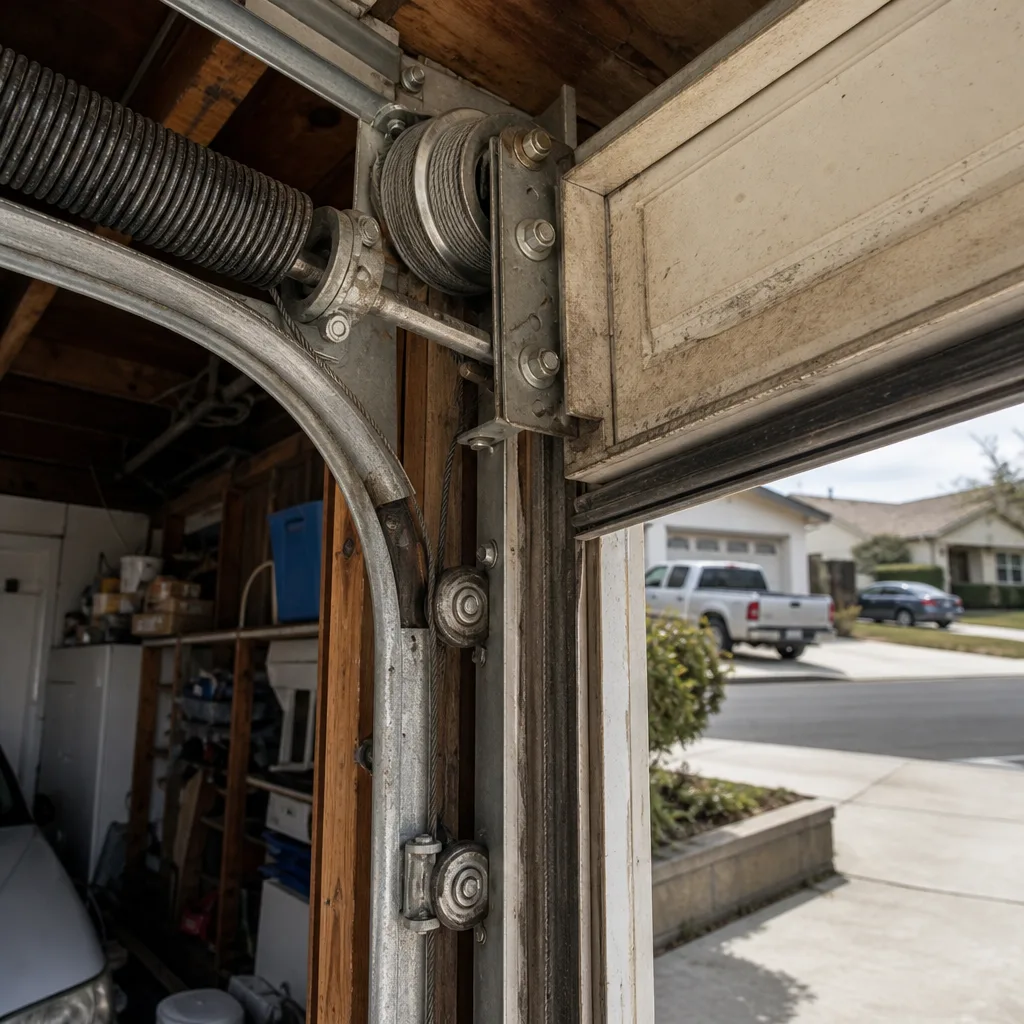 Before
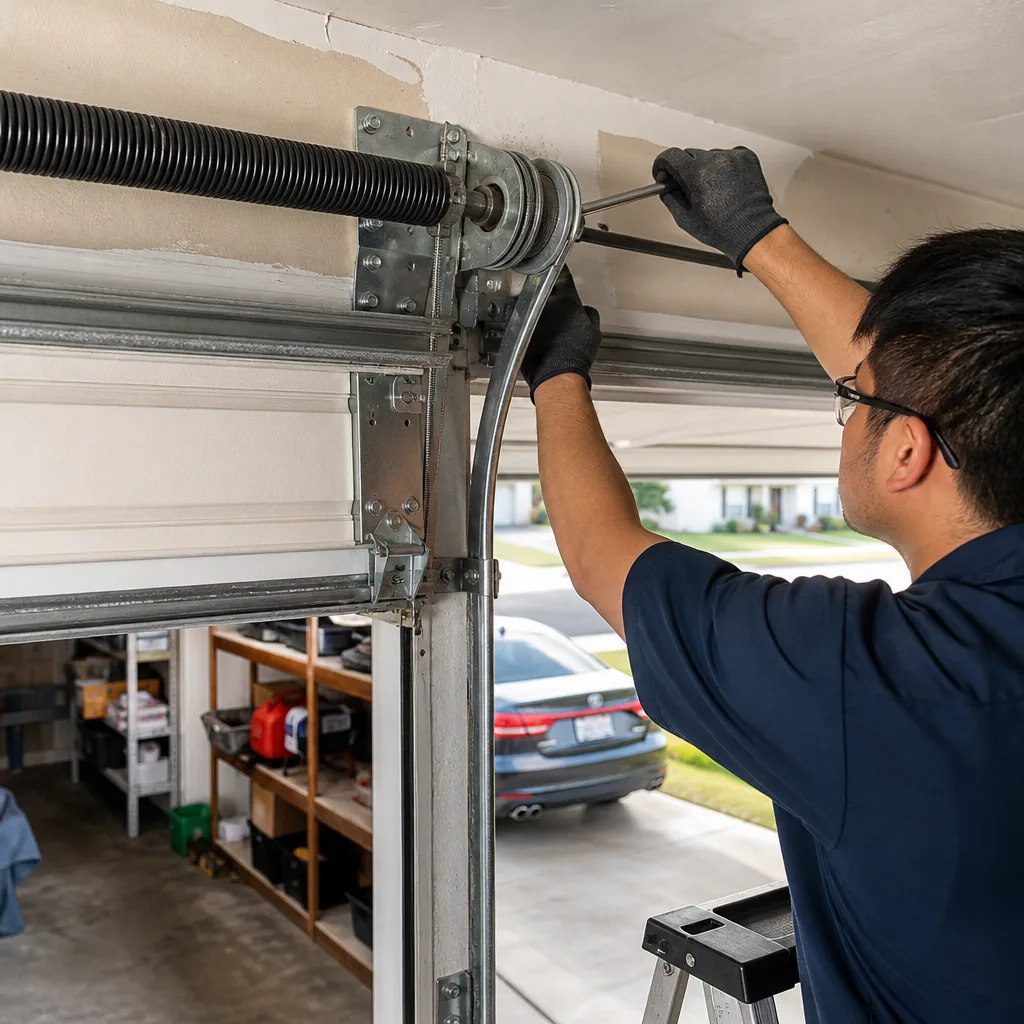 After
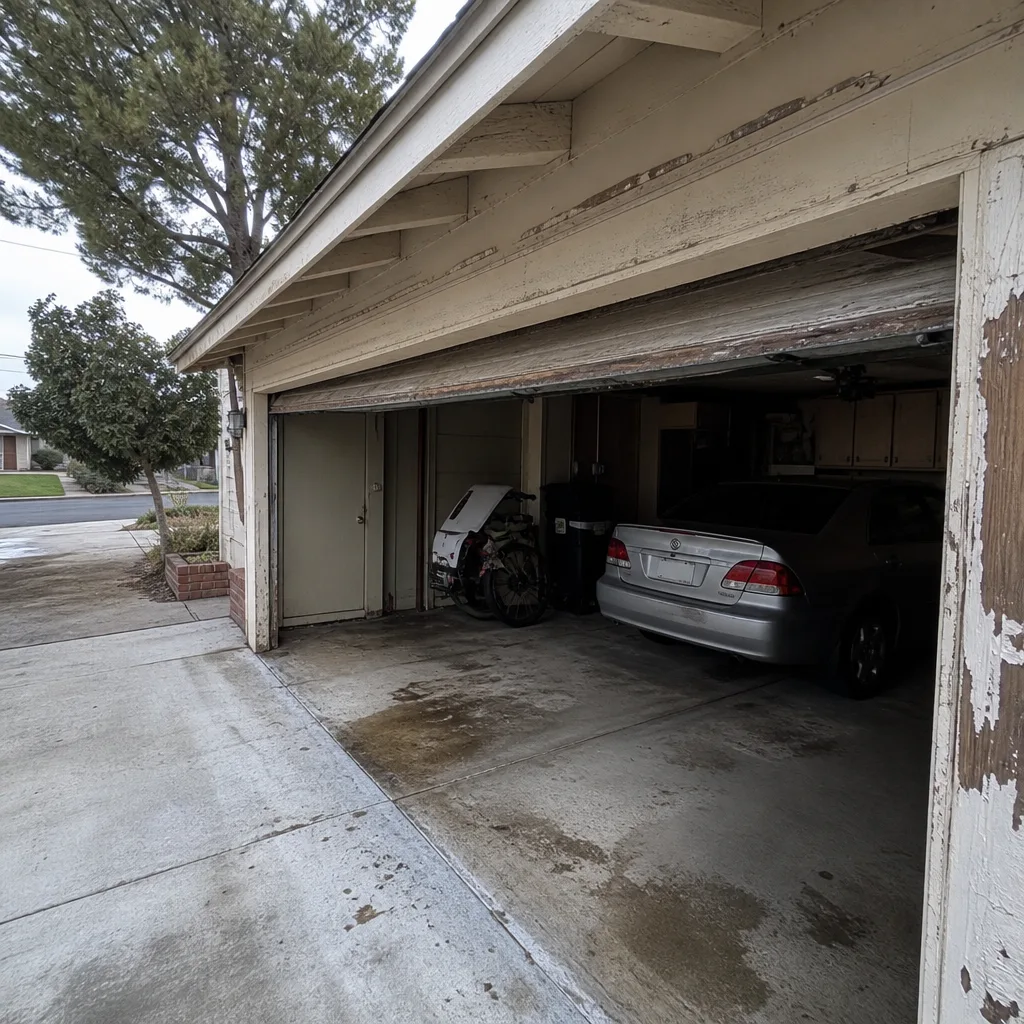 Before
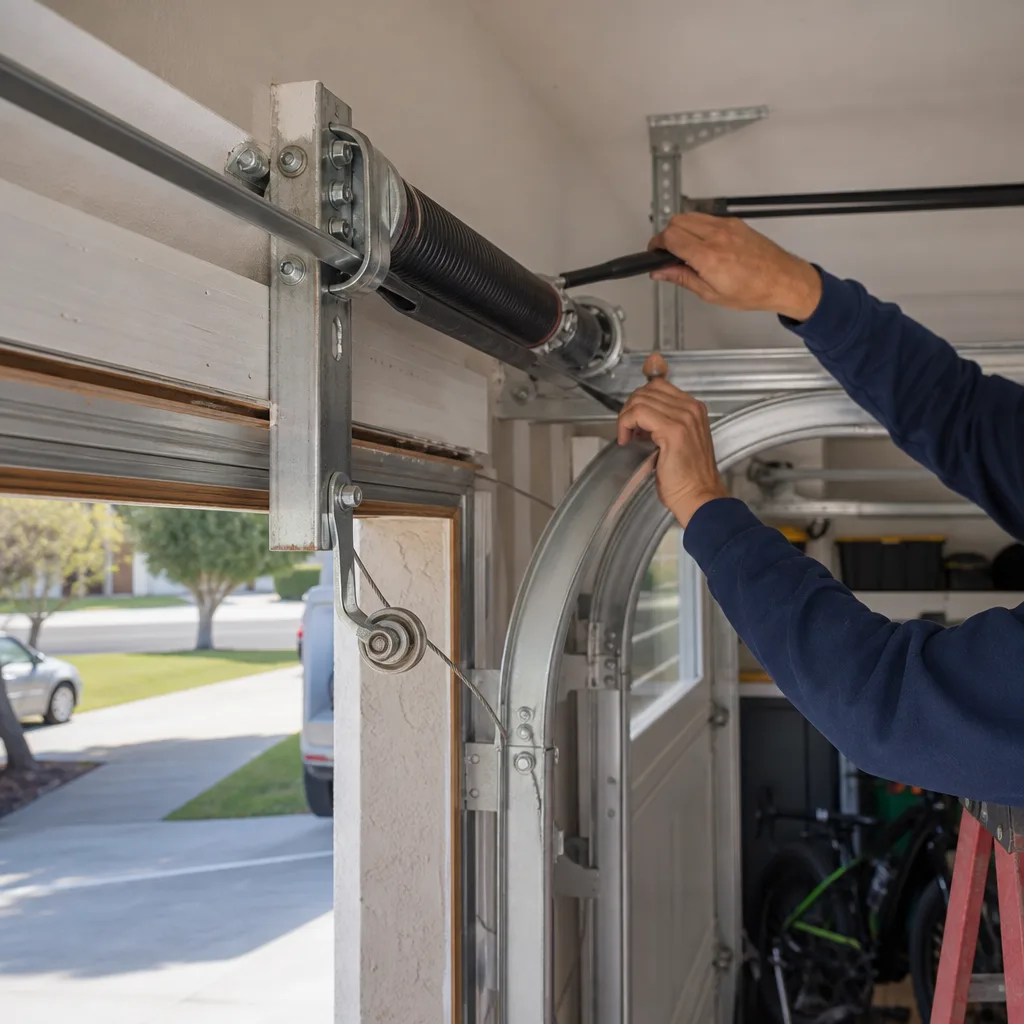 After
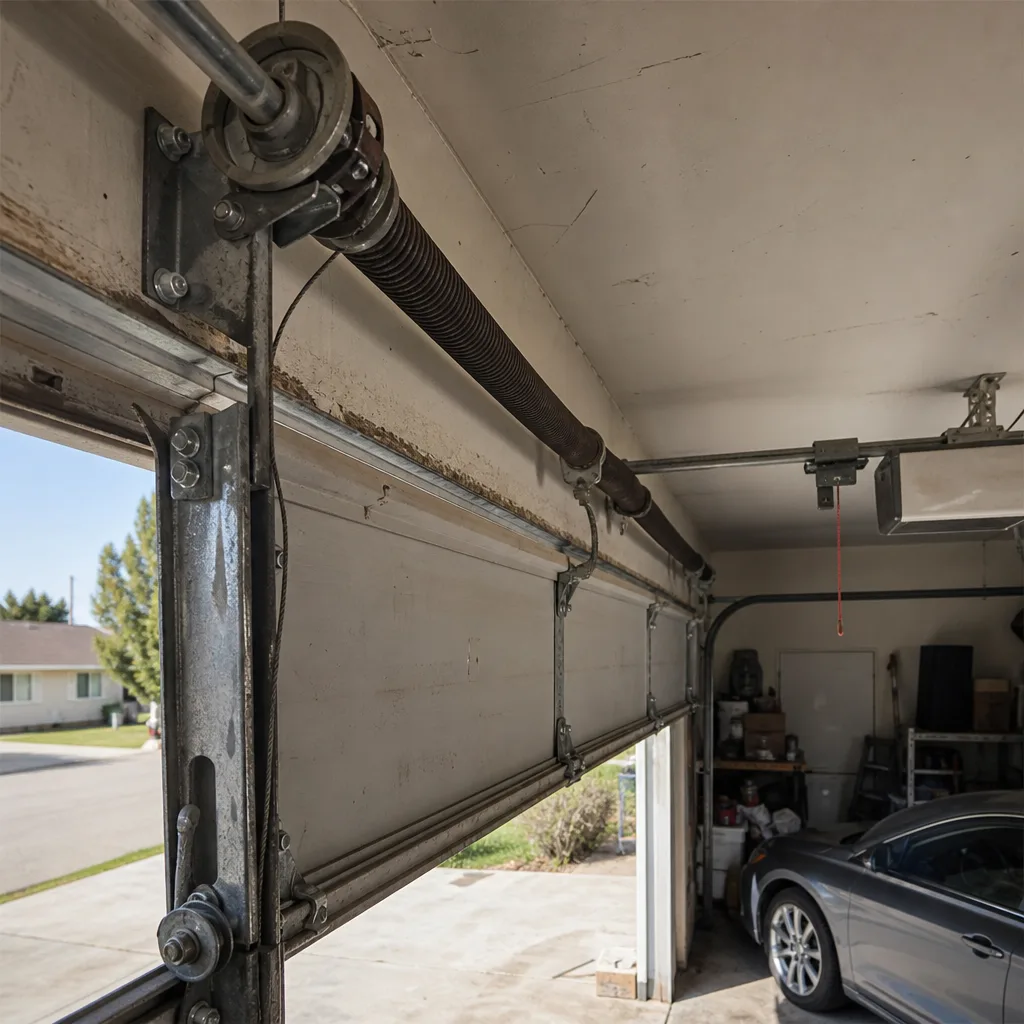 Before
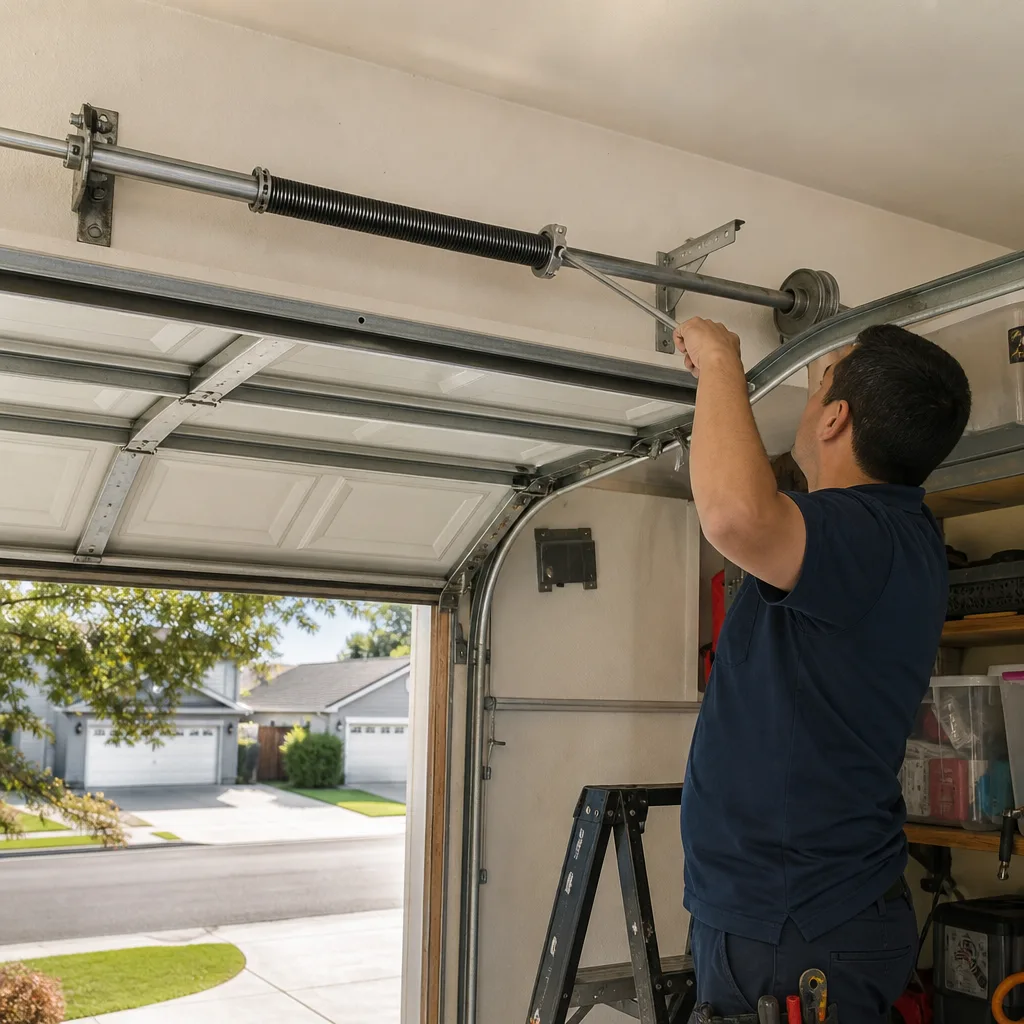 After
Frequently Asked Questions
Most garage door repairs in Westminster run between $125 and $450, with torsion spring replacement – the most common repair – typically costing $180 to $340 including parts and labor. Roller replacement runs $10 to $20 per roller, cable replacement $150 to $250 per cable, and opener logic board replacement $120 to $250 depending on the model. The price is quoted and agreed upon before any work starts, so you’ll never see a surprise invoice after the fact. Call (833) 593-4519 for a free estimate on your specific repair.
In most cases, yes. Common repairs like spring replacement, cable work, and roller swaps are completed in a single visit, typically 45 to 90 minutes once we arrive. For a spring failure or a door that won’t close, call (833) 593-4519 and we’ll give you an arrival window before you hang up.
We work on every major opener brand installed in Westminster homes, including LiftMaster, Chamberlain, Genie, and Craftsman. Since we diagnose the actual system in front of us rather than guessing at generic symptoms, the brand doesn’t change the quality of the repair – it just changes which parts we carry on hand. For opener-specific issues, see our Garage Door Opener Repair in Westminster service details.
No. The price we quote before starting work is the price you pay. If we find additional damage during the repair, we stop, show you what we found, and get your explicit approval before doing anything outside the original scope. This is a standard practice at Redwood Garage Door Repair and should be standard for any Westminster company you call. If a company quotes a range and then lands at the top of it without showing you why, ask for the specific part that drove the increase.
Westminster’s proximity to the Pacific creates a nightly humidity cycle where the marine layer raises moisture levels to 70 to 85 percent after sunset, leaving a fine salt film on exposed spring steel. Combined with daily heat cycling – hot inland temperatures during the day, rapid cooling at night – spring metal fatigues faster than in drier, more stable climates. Springs in Westminster often fail at the 5 to 6 year mark where the same spring would last 8 to 10 years in Anaheim or Santa Ana. This is also why we recommend higher-cycle rated springs for most Westminster homes.
For repairs like spring replacement, cable work, and roller swaps, no – Westminster HOAs regulate appearance changes, not mechanical repairs. For a full door replacement, most HOAs in planned communities require approval if the new door differs in material, color, or window pattern from the original. Before scheduling an installation, check your HOA’s architectural guidelines and submit product photos if required. A quick call to your HOA management company takes ten minutes and prevents a costly re-do. If you’re considering replacement, our Garage Door Installation in Westminster page covers current pricing and what to expect.
The Bottom Line
Westminster’s garage doors fail differently than doors ten miles inland. The nightly marine layer, salt air drift, and daily heat cycling work together to shorten spring life, accelerate cable corrosion, and stress electronic opener components. Recognizing these patterns helps you catch problems before they become emergencies and helps you evaluate whether a repair quote reflects real diagnosis or a generic upsell. The most important calls are the ones you make before a spring snaps or a cable frays – those are the repairs that cost the least and cause the least disruption. If your door is making noise, showing rust, or acting unpredictably, call (833) 593-4519 for a free estimate from a garage door specialist who works on Westminster doors every day.
Written by the team at Redwood Garage Door Repair, serving Westminster.