
Last updated November 2, 2026
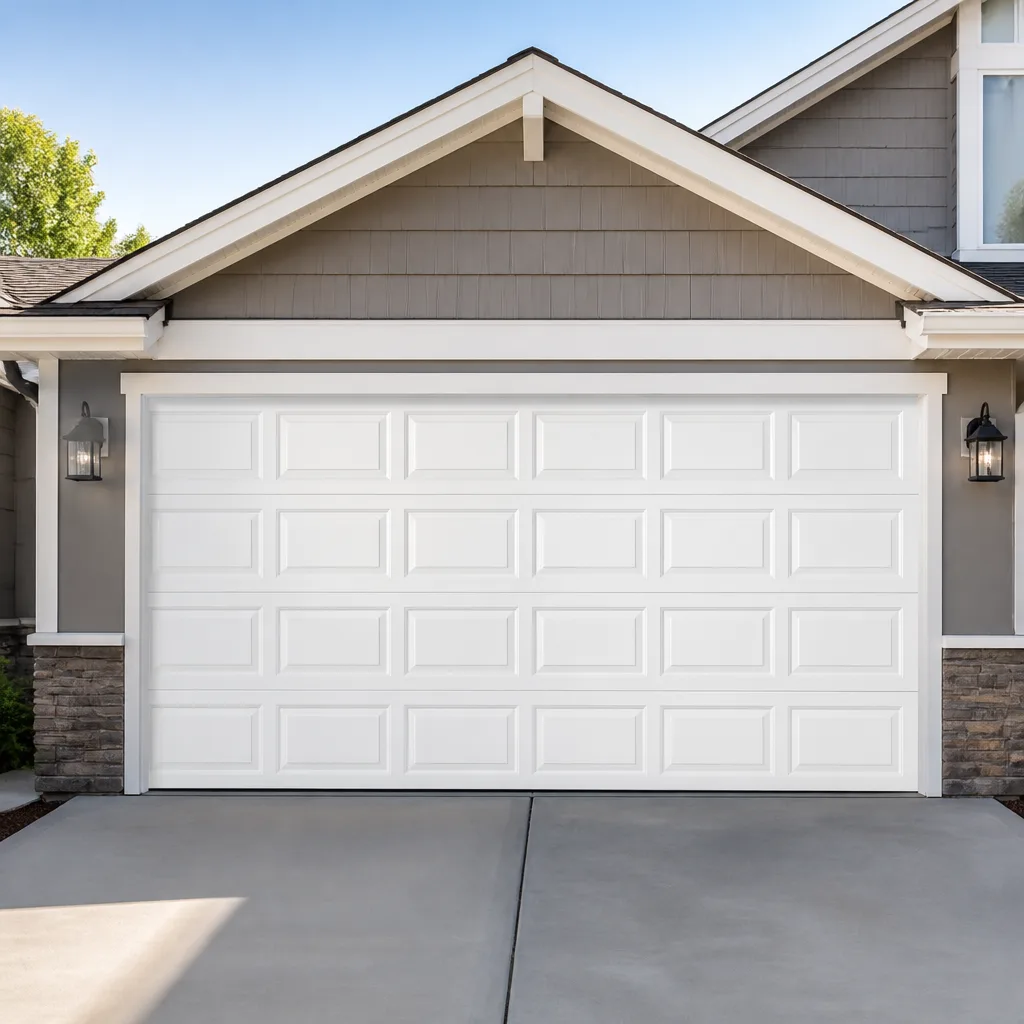 Raised-panel steel
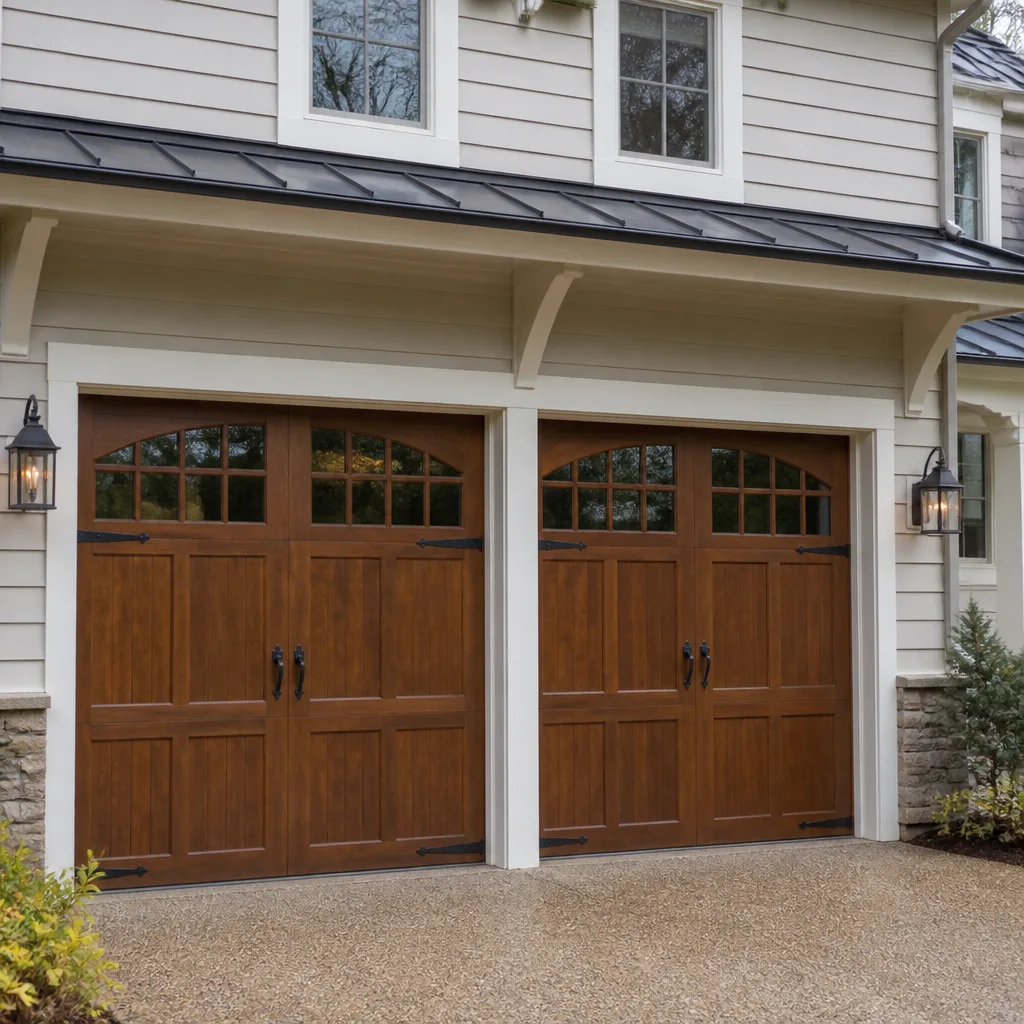 Carriage house
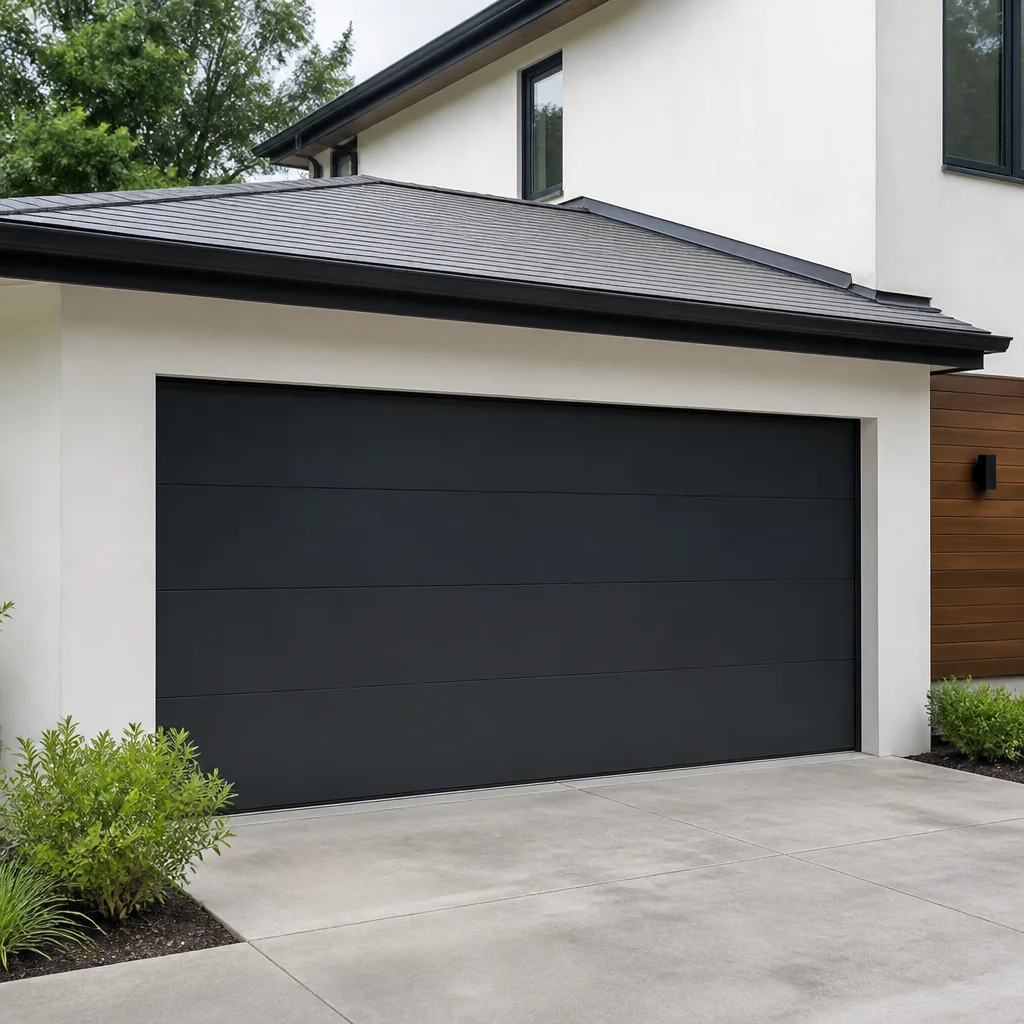 Modern flush
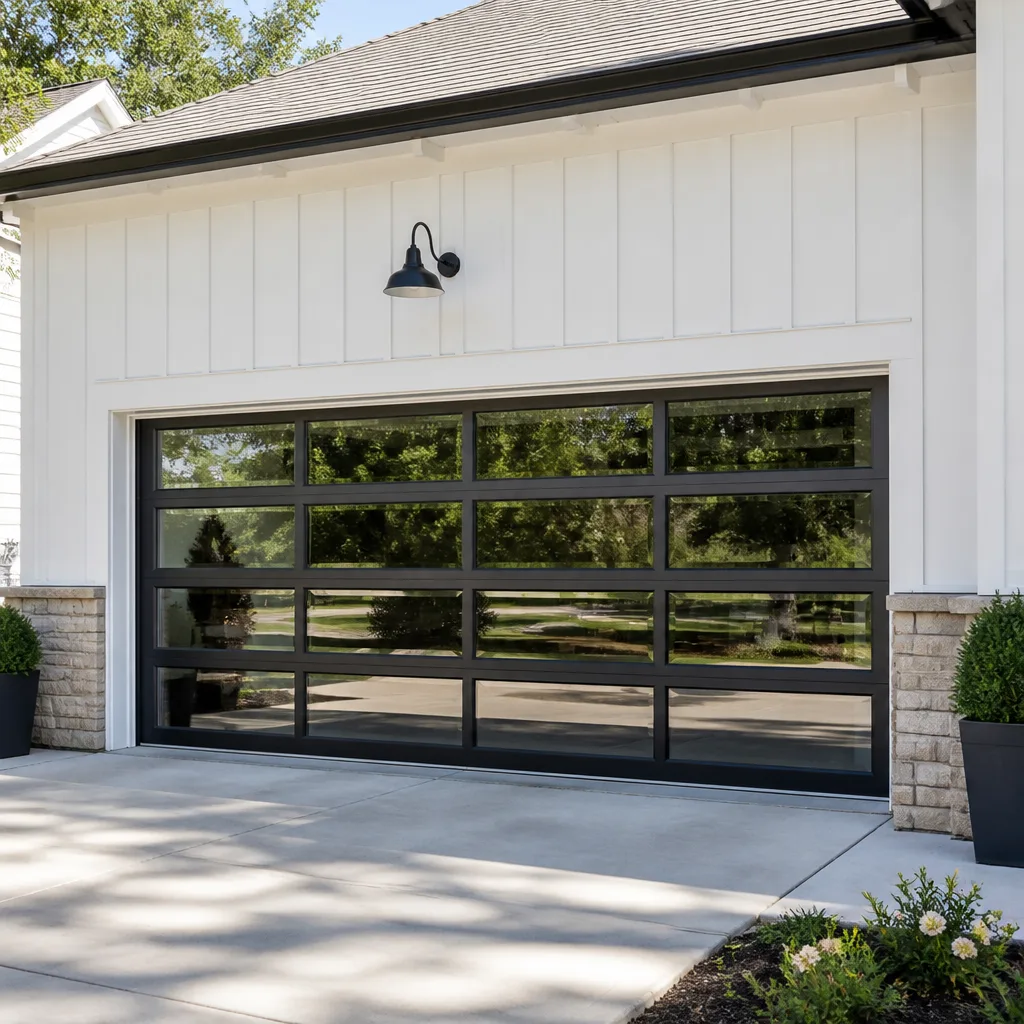 Full-view glass
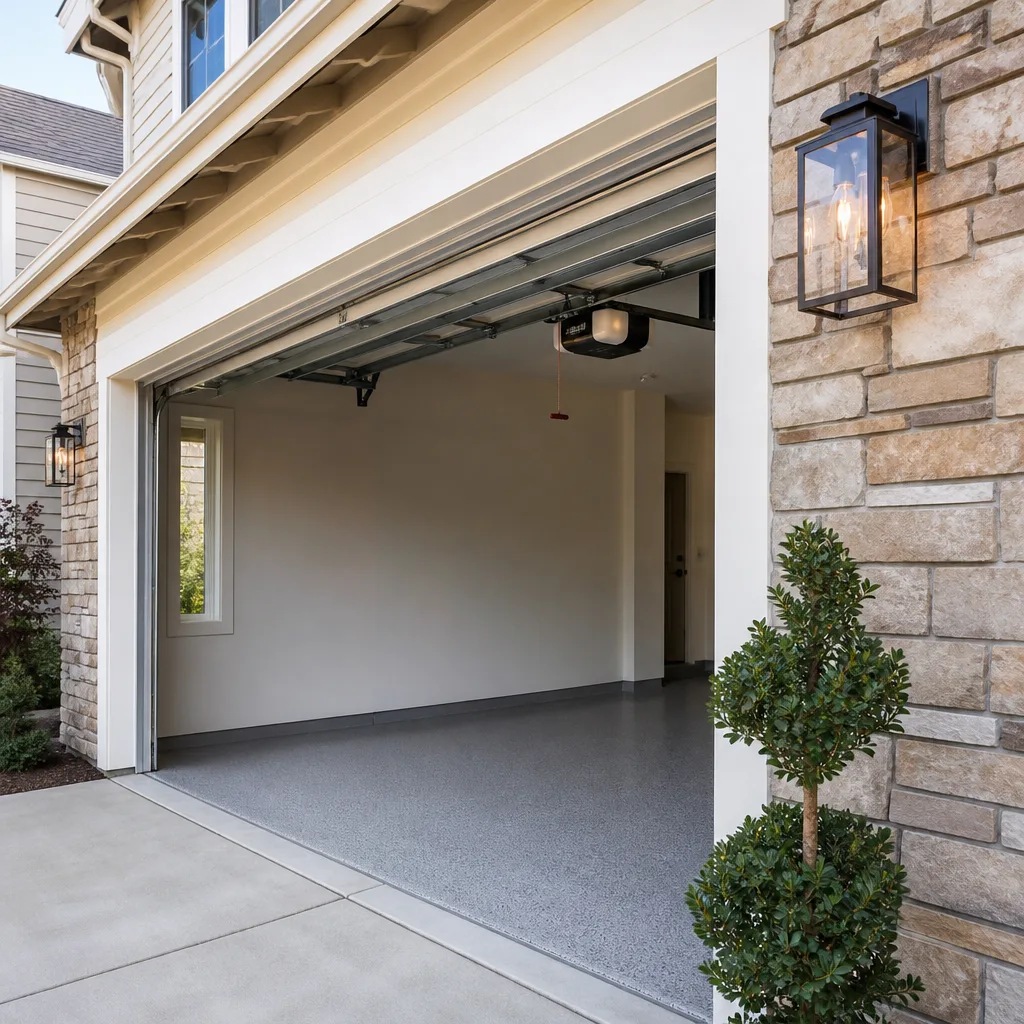 LiftMaster openers
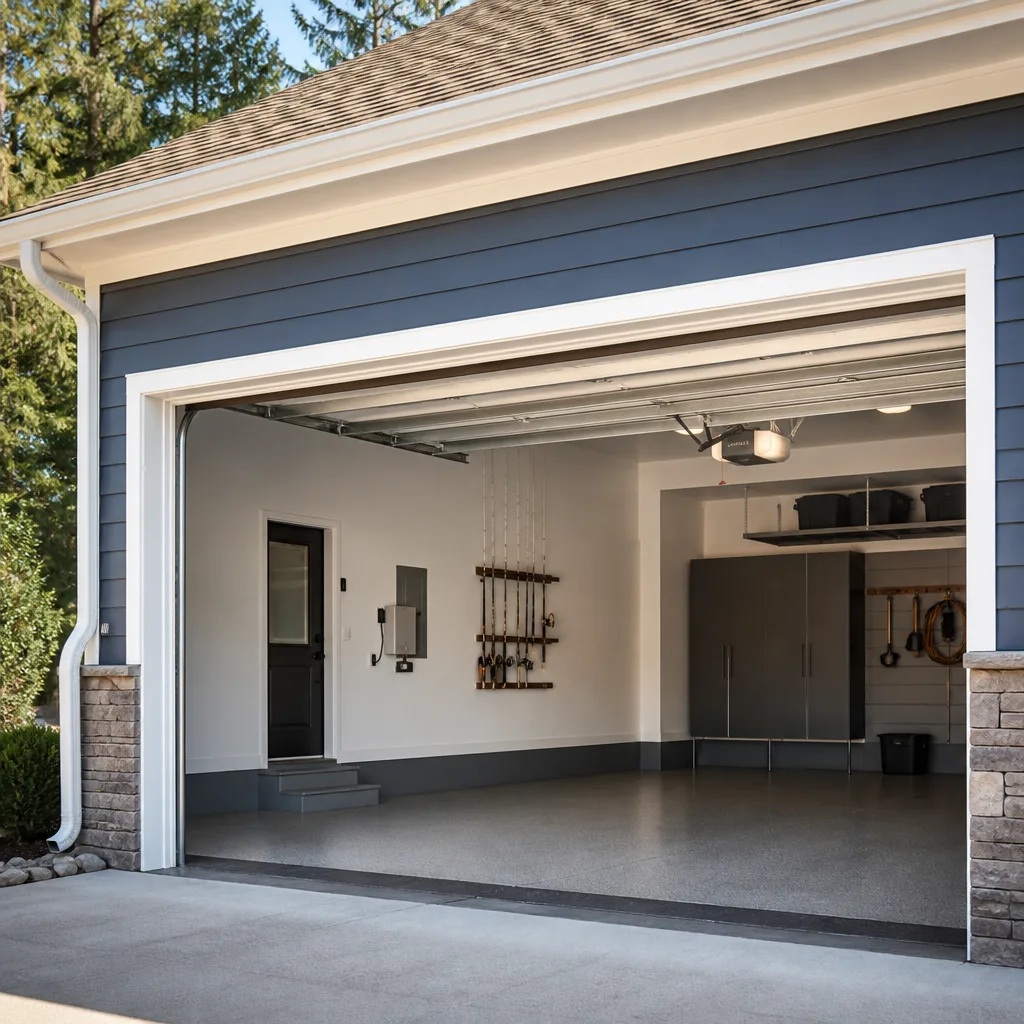 Chamberlain openers
Full 25-point door and opener safety check with every visit - springs, cables, rollers, tracks, and your LiftMaster or Chamberlain opener included
You get a price before we start. It does not change when the pro arrives.
Get your free estimateGarage Door Emergency Preparedness Guide for Westminster Homes
At 7am on a Tuesday in Westminster, the power goes out. Your car is in the garage. You pull the cord on your opener, hear a click, and nothing happens. Now you’re late, frustrated, and standing in a dark garage wondering why a supposedly “manual” release isn’t working. This exact scenario is, by a wide margin, the most common emergency call we get in Westminster during brownouts and Santa Ana season, and it’s almost always preventable with ten minutes of preparation. This guide covers every garage door emergency we’ve seen roll through this city: power failures, snapped springs, earthquake aftermath, wind-driven panel damage, and what to do in the thirty minutes before the technician arrives. For more guides & resources, see our blog.
Styles & brands we work with
- Raised-panel steel
- Carriage house
- Modern flush
- Full-view glass
- LiftMaster openers
- Chamberlain openers
Quick Answer
A garage door emergency in Westminster comes down to three things: knowing how to manually release your opener (and accepting that a worn spring can make manual operation dangerous), knowing how to temporarily secure a door that won’t close, and knowing what to inspect after a quake or wind event before you press the button again. Preparation means testing your emergency release cord twice a year, photographing your door and opener labels, and having a garage door specialist’s number saved before the power goes out. Our Garage Door Repair Maintenance Checklist for Westminster Homeowners walks you through each step.
Table of Contents
- What Happens to Your Garage Door When the Power Fails
- How to Manually Release the Most Common Westminster Opener Types
- Spring Failure: The Most Dangerous Emergency You’ll Face
- How to Temporarily Secure a Door That Won’t Close
- Earthquake-Specific Garage Door Preparedness in Westminster
- Santa Ana Wind Damage: What to Check Before You Operate the Door
- What to Have Ready Before You Call a Technician
- Common Mistakes to Avoid
- When to Call a Professional
- Frequently Asked Questions
- The Bottom Line
What Happens to Your Garage Door When the Power Fails
Your garage door doesn’t stop working when the electricity cuts. It stops responding to the wall button and remote because the opener motor, which does 100% of the lifting, has no current. The door itself is held in place by a combination of the opener’s gear system and, crucially, the torsion or extension springs above it. Those springs don’t need power. They’re loaded with mechanical force every time the door is closed. What this means in practical terms: a healthy garage door can be operated manually during a Westminster power outage, but a door with a tired spring, worn cable, or misaligned track becomes a different animal entirely when the motor’s braking force is removed. For help diagnosing these issues, see our Garage Door Repair Troubleshooting: Common Problems and How to Fix Them.
Westminster sits in a Southern California Edison service area where rolling blackouts, heat-wave conservation shutoffs, and storm-related transformer failures are all on the table during summer and fall months. When power drops, a LiftMaster or Genie opener doesn’t “remember” anything, and unless the unit has a battery backup (most residential openers in Westminster don’t), you’re left with whatever mechanical condition the door was in before the lights went out. We’ve seen doors that open and close perfectly under motor power suddenly drift downward or refuse to stay up when switched to manual mode, simply because the springs had quietly lost tension over years and the opener was masking the problem. That’s the single most important power-outage fact most Westminster homeowners learn the hard way: the opener wasn’t doing all the work. It was sharing the load with springs you’ve never looked at.
How to Manually Release the Most Common Westminster Opener Types
The emergency release cord, usually a red rope or handle hanging from the center rail of your opener, disconnects the door from the motor carriage. Pulling it once disengages the door. Pulling it again re-engages it. Here’s the step-by-step for the opener types we work on most in Westminster.
- Confirm the door is fully closed. If the door is open when power fails, and the spring is broken or heavily worn, putting it into manual mode can allow a hundred-plus pound panel to drop faster than you can react. If the door is open and won’t move under motor power, leave it and call us. The danger isn’t worth the convenience.
- Locate the release cord. On Genie screw-drive openers, it’s usually a red handle hanging below the carriage. On LiftMaster belt and chain drive units, it’s a red rope with a plastic grip. On Chamberlain models, the rope is typically marked with a small label reading “Pull to release.”
- Pull straight down with one firm motion. You’ll hear a distinct click. The carriage and the door are now separated. Try the wall button once. If the motor runs but the door doesn’t move, you’ve released it correctly.
- Lift the door by hand. Stand close to the center of the door, keep your knees bent, and lift using the bottom handle or the bottom edge. A properly balanced door should feel heavy but manageable, roughly 60 to 80 pounds of effort, and should stay open when lifted to mid-height without drifting up or down.
- If the door feels significantly heavier than expected, stop. A door that weighs 150 pounds by hand, creaks, jerks, or refuses to stay up at the halfway point is telling you the springs are failing. That’s a professional repair, not a shoulder workout. Attempting to muscle it can result in a crushed finger, a door off its track, or a cable snapping under load.
During manual operation, if the door does come off its track or you hear a high-pitched snap, stop moving it immediately and ensure nothing is under the door. A door that comes free of its track while lifted can collapse inward or outward with no warning. Our team at Garage Door Repair in Westminster regularly handles doors that homeowners attempted to lower by hand after a release, only to have a rusted torsion spring let go mid-operation.
Spring Failure: The Most Dangerous Emergency You’ll Face
Torsion springs are the steel coils mounted horizontally above your garage door opening. Extension springs are the longer coils that stretch alongside the horizontal tracks on older doors. Both do the actual lifting. Both carry enormous stored energy. When one snaps, it sounds like a gunshot inside your garage, and the door becomes effectively dead weight. This is the one garage door emergency where the safety advice isn’t “be careful.” It’s “don’t touch anything.”
In Westminster’s climate, spring failure isn’t random. Coastal air, even the slightly salt-tinged air that reaches inland along the 405 corridor, accelerates corrosion on ungalvanized springs. Most residential springs are rated for 10,000 cycles, which translates to roughly 7 to 10 years of normal use. When a spring fails, the symptoms are obvious: the door won’t open more than a few inches under motor power, the opener strains and reverses, or you’ll see a visible gap in the spring coil itself. Sometimes one side of the door rises slightly while the other side stays planted.
Do not attempt to release the opener and lift the door manually after a spring snap. A door with one broken torsion spring still has one loaded spring on the other side, and the forces are no longer balanced. Manual lifting in that state can cause the remaining spring to unwind violently. Do not try to loosen, adjust, or replace spring hardware. Torsion springs are wound under tension that can exceed 200 pounds per coil, and the winding tools themselves are a hazard if you don’t use them daily. When a spring snaps in Westminster, the call is a specialist. Redwood Garage Door Repair home to the rescue means a technician who replaces springs on Westminster doors every working day, not something you attempt with a socket wrench from the garage shelf.
How to Temporarily Secure a Door That Won’t Close
A garage door that won’t close leaves your home exposed, both to weather and to anyone walking down the driveway. Getting it closed temporarily, even imperfectly, is better than leaving a wide opening overnight. Here’s how we tell Westminster homeowners to handle it while they wait for a technician.
- Disconnect the opener. Pull the red release cord so the motor isn’t fighting you. If the door is stuck partway or at the top, don’t force it down by hand without first checking for a broken cable, a separated spring, or an object jammed in the track. Force creates more damage.
- Lower the door slowly with two people if the springs are intact. One person on each side of the door, both keeping hands away from the panel joints and track edges. Lower it a few inches at a time. If either person feels a sudden give, a jerk, or a cable slackening, both people stop. Do not let the door free-fall.
- If the springs are broken or the door won’t move, brace it. Use two heavy-duty C-clamps or locking pliers on the track directly below the bottom roller on each side. Clamp them tight. This physically prevents the door from dropping if gravity takes over. Do not clamp a door that’s under active spring tension and never stand under a partially open door while clamping.
- Block the opening. If the door is fully stuck open and won’t come down at all, screw a plywood panel or heavy tarp across the opening from the inside. It won’t be pretty, but it keeps out rain, animals, and opportunistic eyes until the door is repaired.
For doors that won’t close because of a broken spring or cable, the most important temporary measure is to make sure no one presses the wall button or a remote. An opener trying to lower a door with a broken spring can strip its own gears and turn one problem into two. If you’ve pulled the release cord, leave it pulled until a technician arrives.
Earthquake-Specific Garage Door Preparedness in Westminster
Westminster sits in a seismically active zone where a 5.0 on the Whittier fault or a stronger event on the Newport-Inglewood fault isn’t hypothetical. California building code addresses garage doors directly, and one requirement deserves special attention: Per California Residential Code R309.2 and the seismic provisions that apply in our area, garage doors in certain seismic design categories must be equipped with a manual release that can be operated from outside the garage without a key or tool. For full details, read Garage Door Permits, Codes & Inspections in CA: What You Need to Know. That’s the red cord, and it’s not an optional accessory. It’s a code requirement built on the understanding that after a quake, a car trapped in a garage with a damaged opener is a life-safety issue.
After a significant earthquake, before you press the opener button, do a visual inspection. The sequence takes about five minutes and catches most hidden damage.
- Stand outside the door and look at the horizontal alignment. The top panel should be level with the header. If one side is visibly higher, the door has racked and the tracks or hinges have shifted.
- Check the track-to-roller relationship. Each roller should sit inside its track, not outside it and not touching the inner track wall at an angle. A roller that’s popped out or pressed sideways will gouge the track or bind the door when it moves.
- Look at the spring assembly above the door. The spring should look uniform, not twisted with one coil separated from the next. A spring that’s off-center or has a visible gap has either started to fail or shifted on its shaft.
- Check the cables on both vertical tracks. They should be taut, not sagging. A loose cable means the spring tension has changed and the door is now lifting unevenly.
- Open and close the door once, slowly, keeping an eye on the top panel. If it shudders, catches, or makes a crunching noise at any point, stop and put the door back in manual mode.
We’ve worked on Westminster doors after Whittier-area quakes that looked fine from the outside but had sheared hinge bolts inside the panels and bent horizontal tracks that were invisible until the door started moving. The opener was doing its job, but the frame wasn’t. In our experience, post-quake inspection is where a few minutes of looking beats a Monday morning call where the door has jammed halfway and a neighbor is asking if you need a hand.
Santa Ana Wind Damage: What to Check Before You Operate the Door
Santa Ana winds bring more than dry air to Westminster. They bring sustained gusts that can reach 60 mph in the foothills and tree debris that ends up in places it doesn’t belong. Garage door tracks are one of those places. A eucalyptus branch in the track, a plastic bin lid wedged against the vertical rail, a palm frond jammed into the bottom seal: all of it can happen overnight, and all of it presents itself as a door that groans, binds, or reverses when you try to open it.
After a wind event, the first thing to check is the track channel itself. Run your hand (carefully, with gloves) down both vertical tracks. Anything in that channel, even a half-inch piece of gravel, becomes a hard stop for the rollers. Second, check the bottom edge of the door. A door that’s been pushed inward by wind pressure can bow the bottom panel, which changes how the rollers sit in the track and puts uneven strain on the cables. Third, look at the weatherstripping. In Westminster, cracked or missing weatherstripping after a wind event lets dust and leaves into the garage, but it’s also a sign the door shifted slightly and compressed the seal unevenly.
If the door opens but makes a grinding sound from one side, there’s likely debris caught between the track and the roller. Do not keep pressing the button to “push through” it. A roller that jumps the track under load can turn a five-minute cleanup into a track replacement. Wind can also shift panels on double-wide doors that aren’t reinforced with struts. If your door flexes visibly inward during gusts, it’s telling you two things: the panel bracing is insufficient for Westminster’s wind conditions, and a full evaluation by a garage door specialist is in order. Clopay and Amarr both manufacture wind-load-rated doors that are common in this area. If your door was installed before those ratings were typical, the panels may need strutting or replacement. When the wind has done real damage, our Garage Door Installation in Westminster process starts with measuring exactly what’s there, not with a catalog pitch.
What to Have Ready Before You Call a Technician
When you call a garage door company during an emergency in Westminster, the difference between a 20-minute diagnosis and a 40-minute diagnosis often comes down to what you can tell them over the phone. Having three pieces of information ready speeds up the whole visit, and in a city where streets can be hard to find, it also helps us show up prepared.
- Your door dimensions. Measure the width and height of the opening, from the inside edges of the track. A standard Westminster double garage door is usually 16 feet wide by 7 feet tall, but plenty of homes in the Bolsa Chica and Westminster Boulevard corridor have non-standard sizes. The spring, cable, and panel requirements change completely based on those numbers.
- The opener model. Look at the motor unit hanging from the ceiling. The model number is printed on a label on the side. Genie and LiftMaster put it near the light lens. Chamberlain puts it on the side rail. Knowing whether the opener is a belt drive, chain drive, or screw drive tells us which troubleshooting sequence applies, and it tells us what the opener can and can’t do after a power surge.
- The spring type and condition. Torsion springs sit above the door on a metal shaft. Extension springs hang along the horizontal tracks. Both are easy to photograph with a phone camera. A quick photo sent while you’re on the call saves the technician from determining spring type in a dark garage.
- What happened immediately before the failure. Was there a power outage? A windstorm? A loud snap? A grinding noise that started weeks ago and got worse this morning? The sequence of events is diagnostic gold.
Westminster homes run the range from 1960s single-panel doors on wood tracks to modern Wayne Dalton and Raynor sectional doors with smart openers. The more you can tell us up front, the faster we can bring the right parts. On an emergency call, that’s the difference between a door fixed on the spot and a door that waits until Tuesday for a part we didn’t know we’d need.
Common Mistakes to Avoid
- Using the car to bump a stuck door. We’ve heard it described as “encouraging” a jammed door. What actually happens is the bottom panel bends inward, the cables go slack, and the door comes partially off its track. A bent bottom panel in Westminster isn’t always repairable. If the door won’t move under its own power, the motor is telling you something mechanical has failed.
- Disconnecting the opener while the door is open. This is the single most dangerous mistake in this guide. If the spring is weak and the door is up, pulling the red cord removes the only thing holding it in place. A door that drops from the open position lands with enough force to break bone. Only disconnect when the door is closed.
- Assuming the opener is the problem when the door is slow. A door that opens slowly is usually a door fighting a failing spring, not a tired motor. Replacing the opener without addressing the spring just moves the strain to a new motor. We fix springs daily in Westminster, and half the time they’re on doors where the owner initially called about the opener.
- Lubricating without cleaning first. Spraying lubricant over grime just creates grinding paste. The track, rollers, and hinges need a wipe-down first. If you’re lubricating the door, use a garage door-specific lubricant, not WD-40, and do it twice a year.
- Ignoring the door’s balance. When a door is disconnected from the opener, it should stay anywhere you place it. If it drifts down from the halfway point, the springs are losing tension. If it drifts up, the springs are over-tensioned. Both are signs of a spring issue that will become an emergency eventually. Testing the balance takes 30 seconds and catches most failures before they happen.
- Waiting until the door fails completely to call. Grinding, jerking, loud snapping, uneven movement, cable fraying: these are the warnings. Every Westminster door we’ve replaced after a catastrophic failure gave warning signs for weeks. The emergency isn’t the moment the door stops working. It’s the moment you ignored the earlier signs.
- Trying to replace a spring from a YouTube tutorial. Torsion springs carry enough stored energy to kill. There’s no amount of online research that replaces years of hands-on winding and unwinding under the right conditions. This is the one repair where the cost of a professional is always the cheaper option.
When to Call a Professional
If the door won’t stay up when opened manually, if you see a visible gap in the spring coil, if a cable is dangling or frayed, or if the door is off its track even by half an inch, the repair is not a DIY project. These are mechanical failures involving stored energy, and they’re among the few situations where adding more effort makes the problem worse. A door that’s jammed open after a quake, a spring that’s snapped at 6am before work, a track that’s bent from wind-thrown debris: those are calls to make immediately. Redwood Garage Door Repair offers free estimates in Westminster, and our technicians handle repair, opener repair, and installation on the brands our neighbors actually have installed: LiftMaster, Chamberlain, Genie, Clopay, Amarr, Wayne Dalton, Craftsman, and Raynor. Call (833) 593-4519.
Frequently Asked Questions
Pull the red emergency release cord hanging from the opener rail to disconnect the door from the motor, then lift the door by hand from the bottom handle. If the door feels unexpectedly heavy or won’t stay up at mid-height, stop and call a technician, because the springs have likely lost tension and the door is no longer safe to operate manually.
Don’t touch the door, don’t press the wall button, and don’t pull the release cord. A snapped spring leaves the remaining spring under tension and the door is unbalanced and dangerous to move. Call us at (833) 593-4519 right away and keep everyone away from the door until the spring is replaced.
Garage door spring replacement in Westminster typically ranges from $180 to $340 depending on the door size and spring type, while cable replacements run $150 to $250 and track realignment $120 to $200. These are quoted and agreed before any work starts. For an exact price on your door, call (833) 593-4519 for a free estimate.
Yes, we handle same-day emergency repair calls throughout Westminster. If your door has failed and your car is trapped or your home is exposed, call us as early as possible and we’ll get a technician out that day.
Only after a visual inspection of the level alignment, track-to-roller seating, spring condition, and cable tension. If the door looks level and the rollers are properly seated in the tracks, open and close it once while standing to the side. If anything crunches, shudders, or binds, switch it back to manual and have it inspected before regular use.
Santa Ana winds blow debris into tracks, shift panels, and bend bottom seals, any of which will make the door bind and reverse. Check both tracks for branches, gravel, or leaves, look at the bottom panel for bowing, and test the door once. If it still grinds or reverses, the alignment has been affected and a technician should reset it.
The Bottom Line
An emergency garage door in Westminster isn’t something that happens to other people. It’s springs that snap after years of corrosion, power outages at the worst possible time, quakes that shift a track half an inch, and wind that sends a branch straight into the roller channel. The homeowners who handle those moments best are the ones who tested the release cord once, wrote down the opener model, photographed the spring assembly, and know their door’s balance. They’re not wizards. They’re just prepared. When the morning comes and the door won’t move, the call goes to a garage door specialist who shows up with the right parts and fixes the system in front of them. That’s the job at Garage Door Opener Repair in Westminster: doing the work right so the door doesn’t come back with the same problem. Call (833) 593-4519 for a free estimate, and keep this guide somewhere you can find it at 6:45am.
Written by the team at Redwood Garage Door Repair, serving Westminster.
See the difference
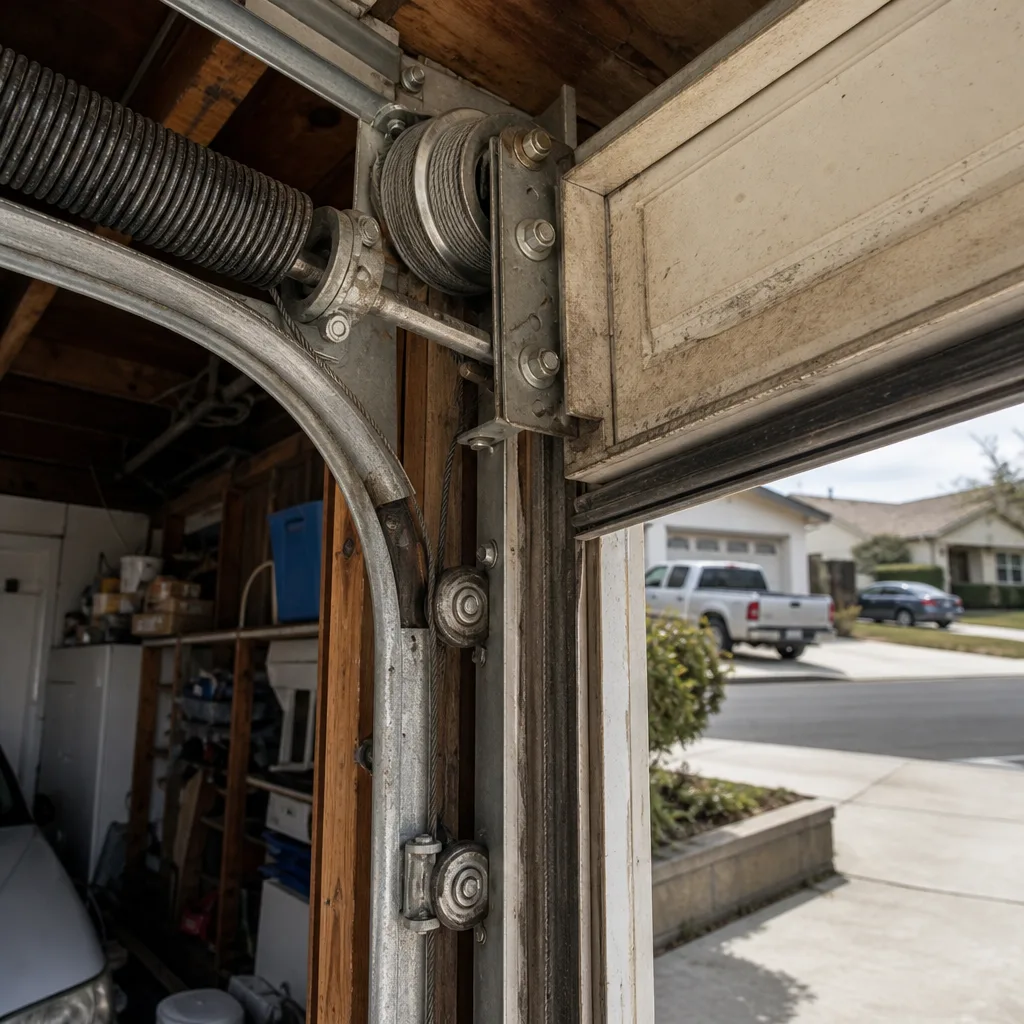 Before
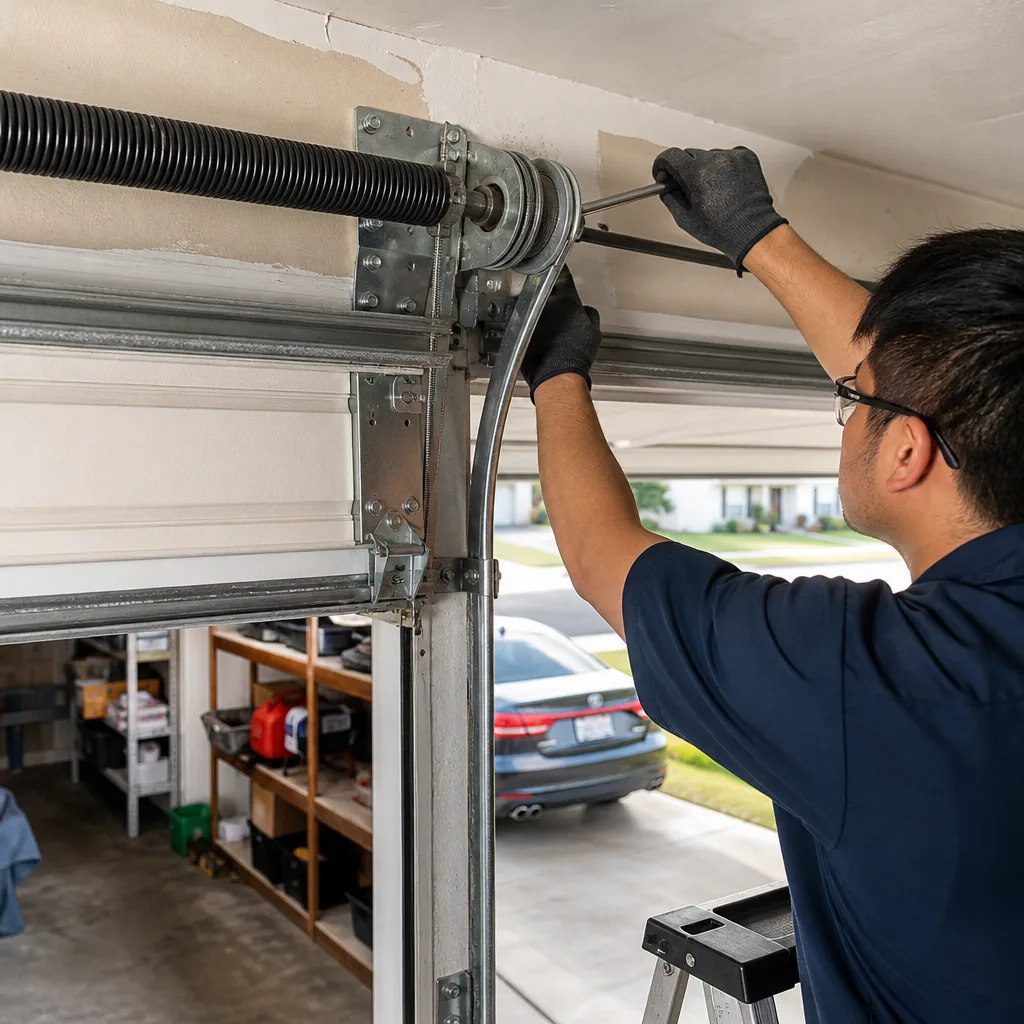 After
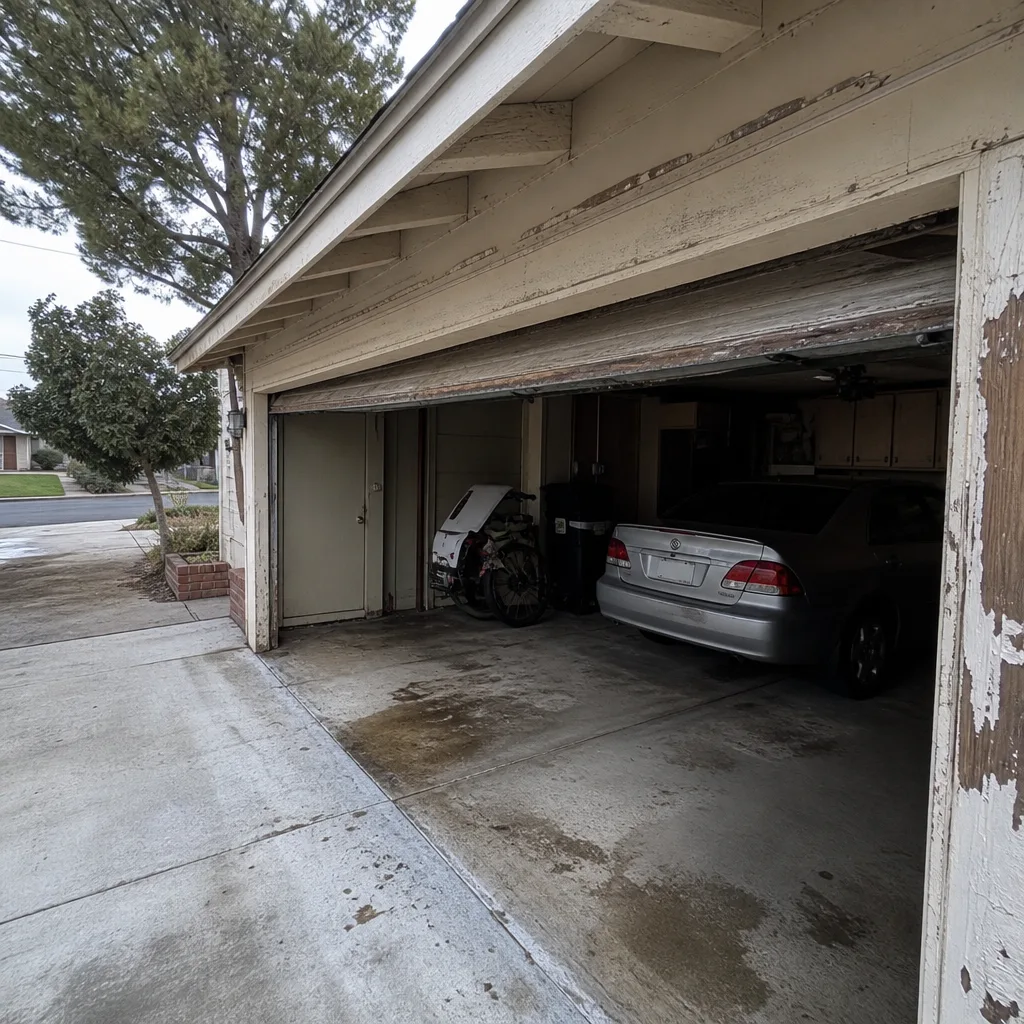 Before
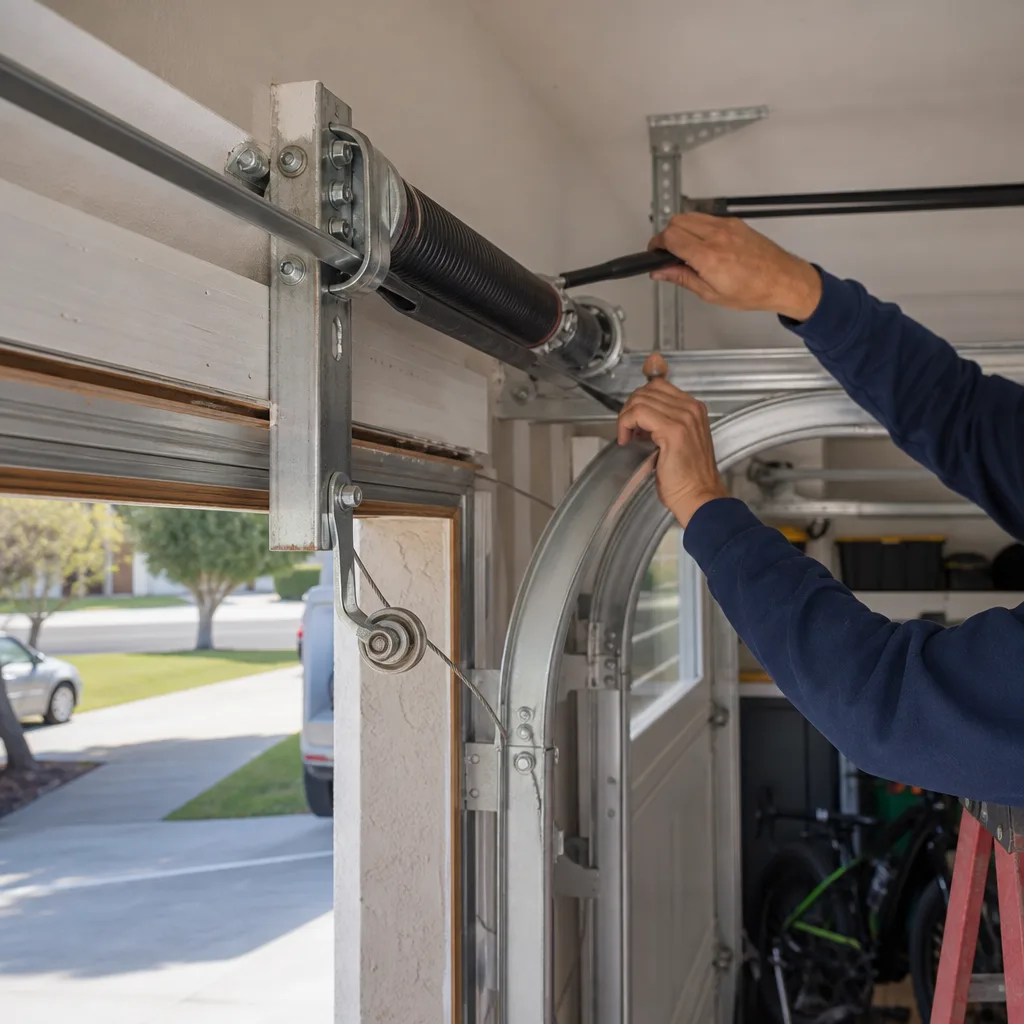 After
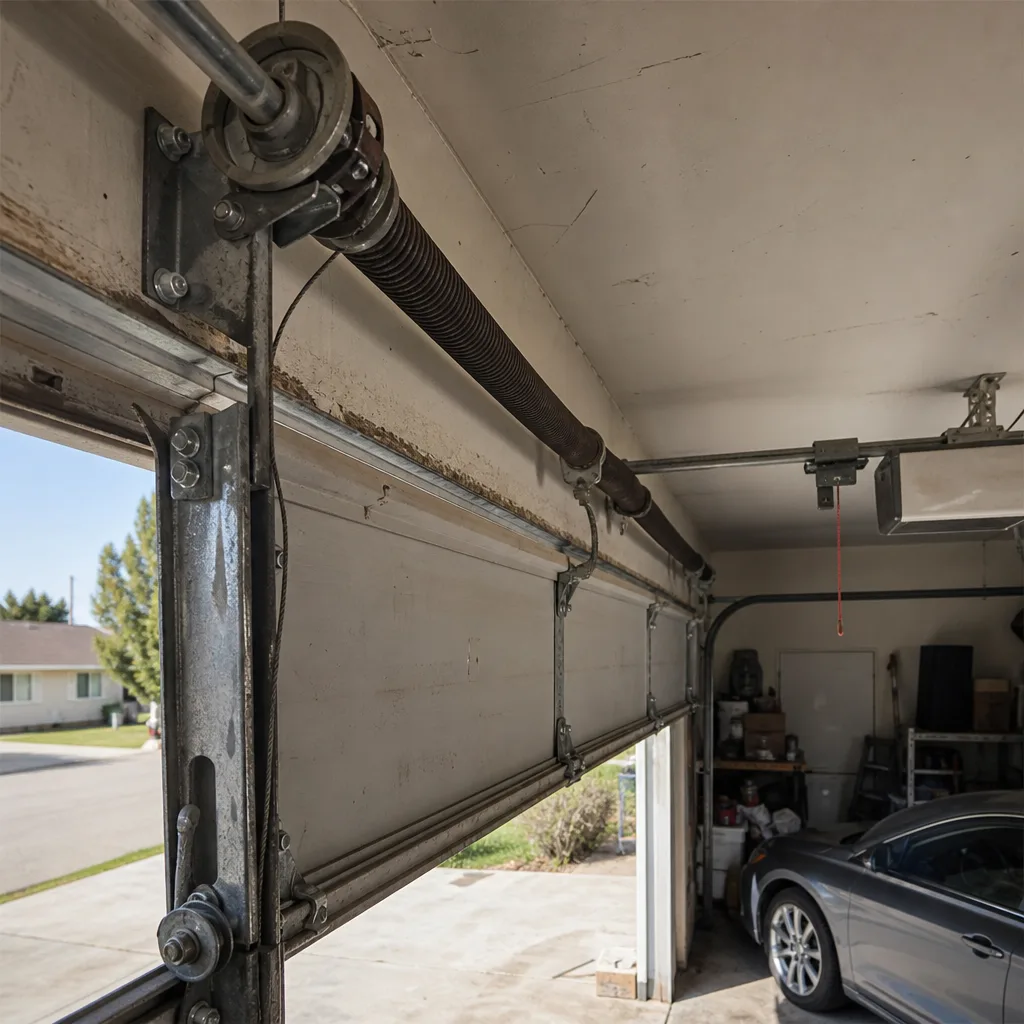 Before
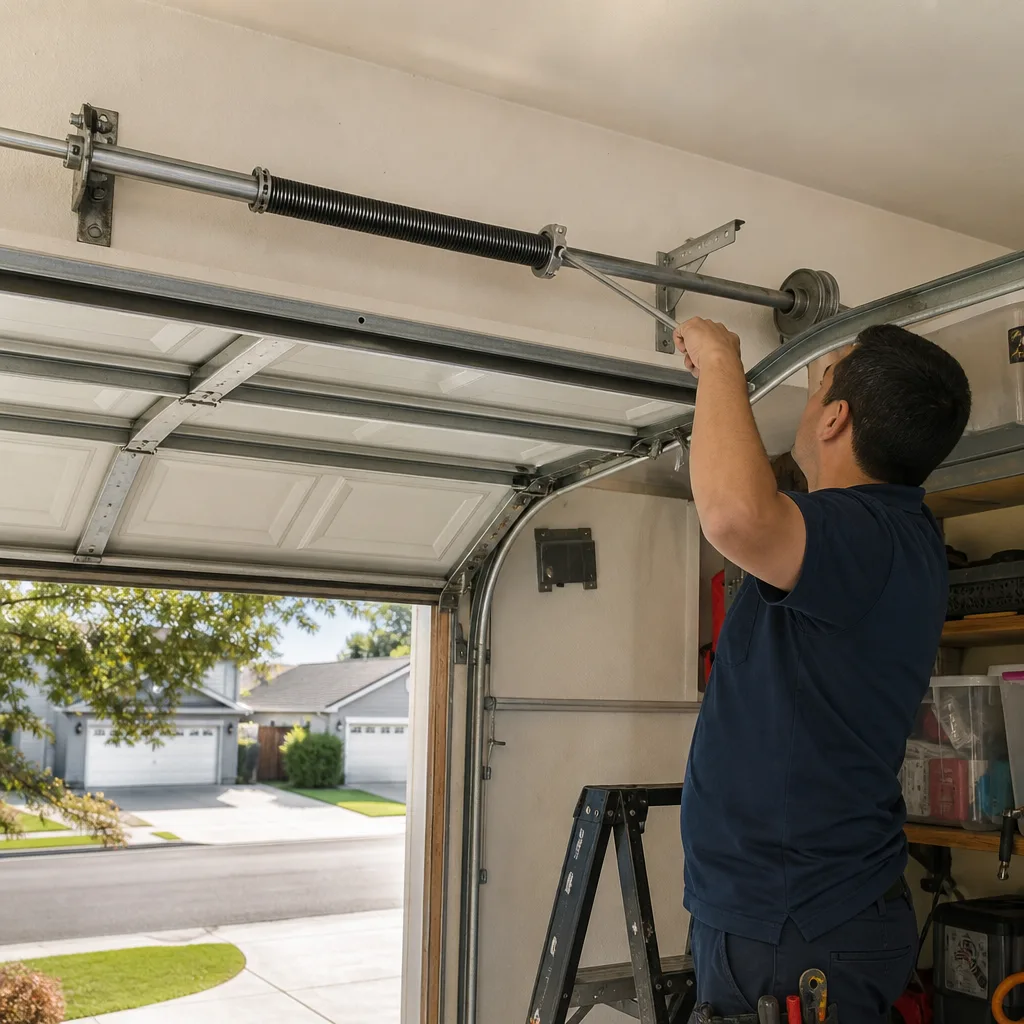 After