
Last updated November 2, 2026
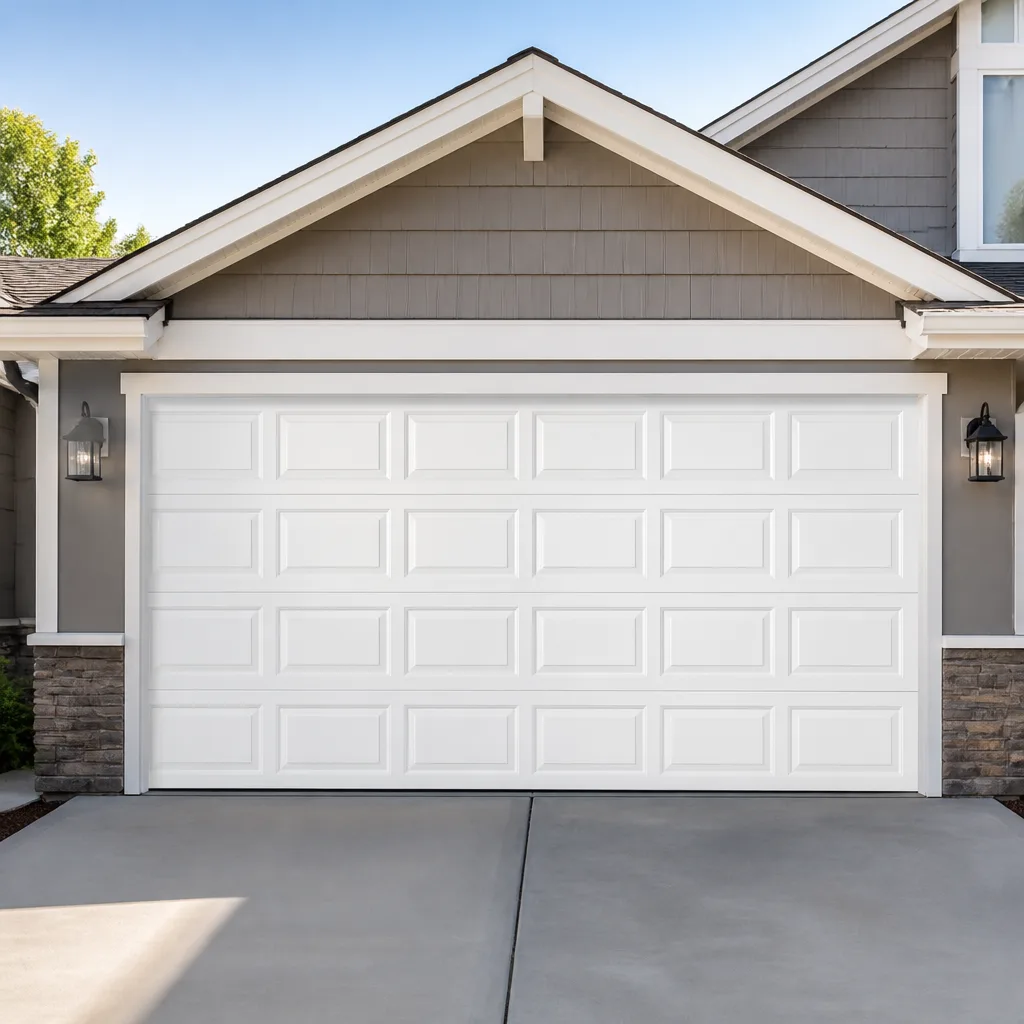 Raised-panel steel
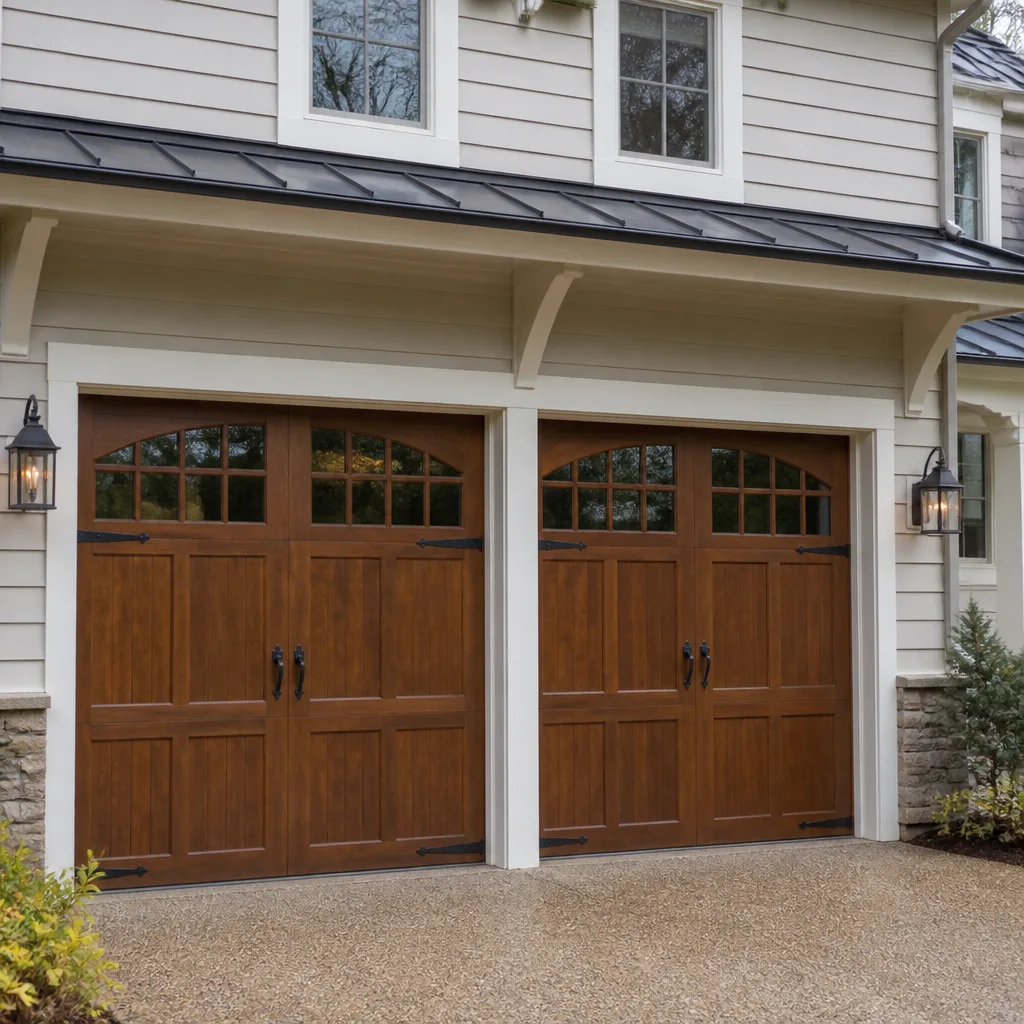 Carriage house
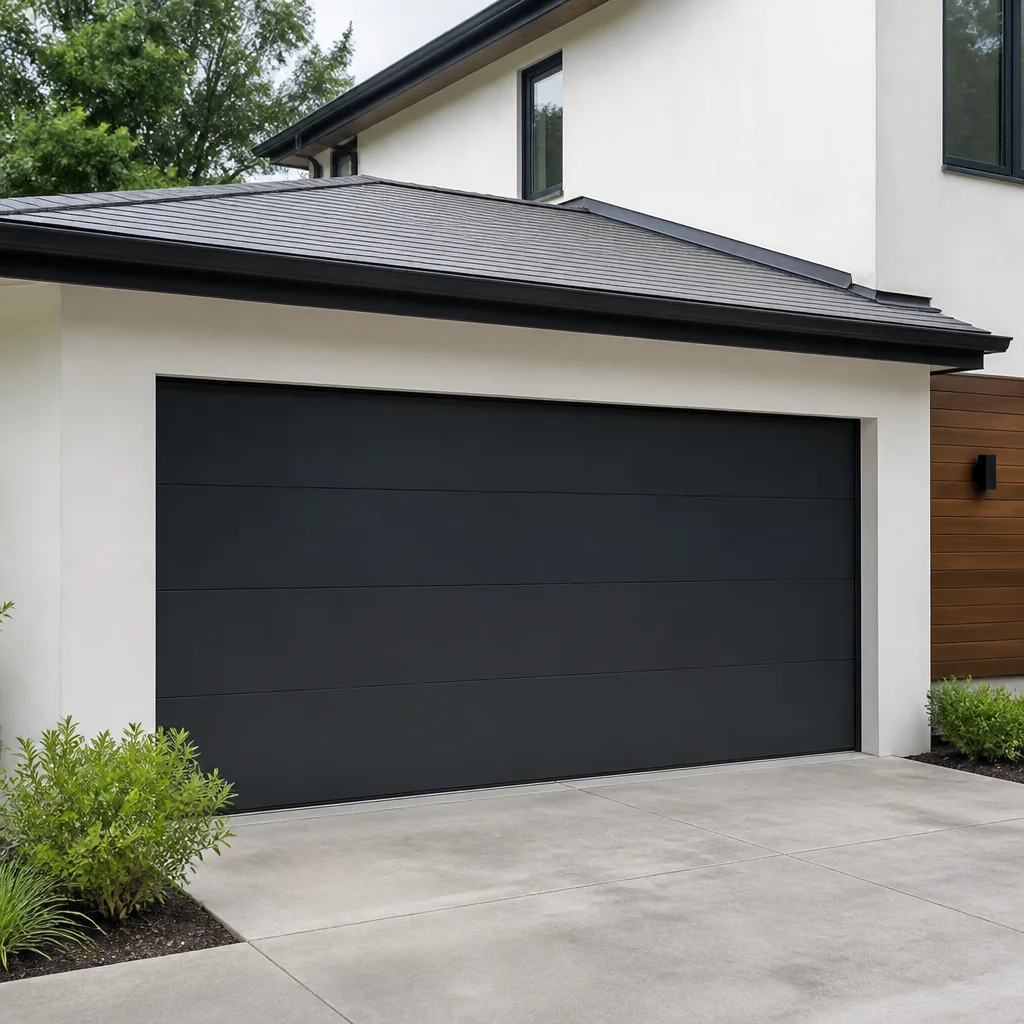 Modern flush
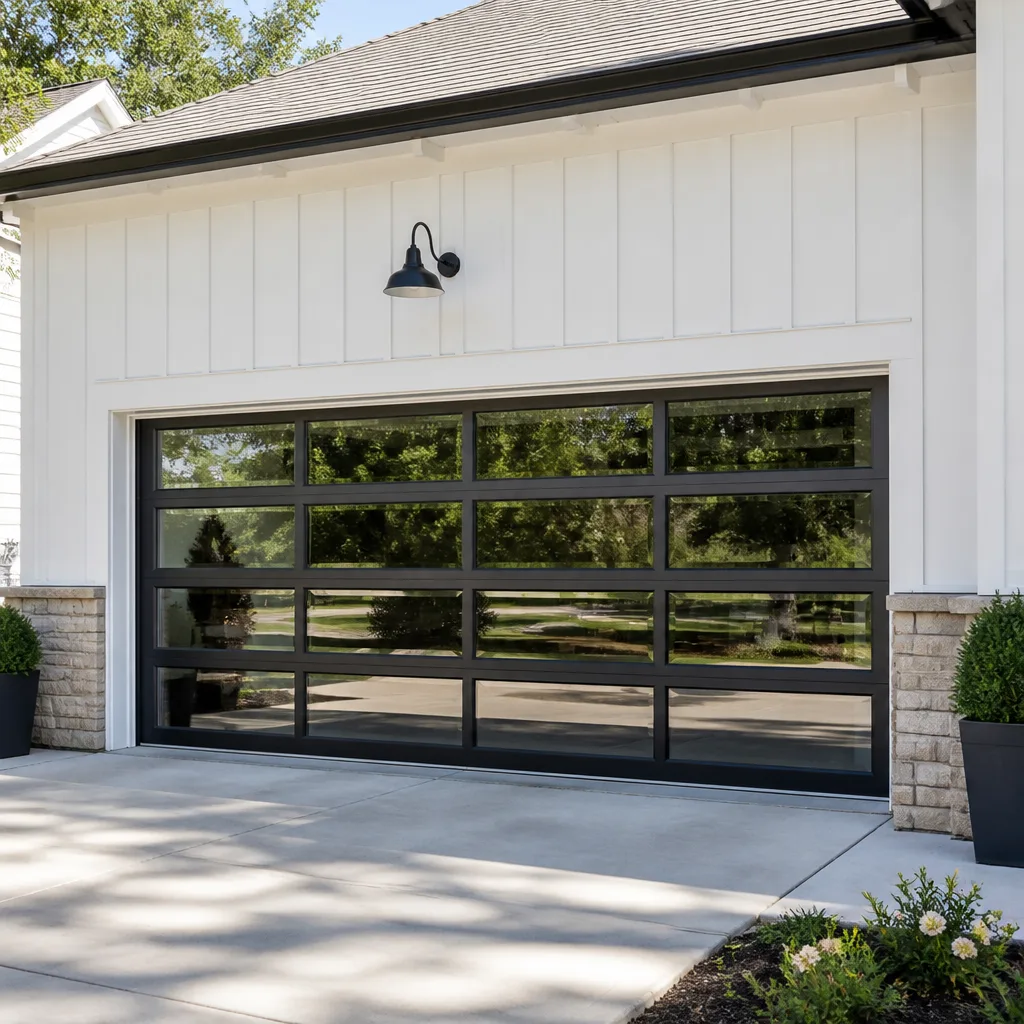 Full-view glass
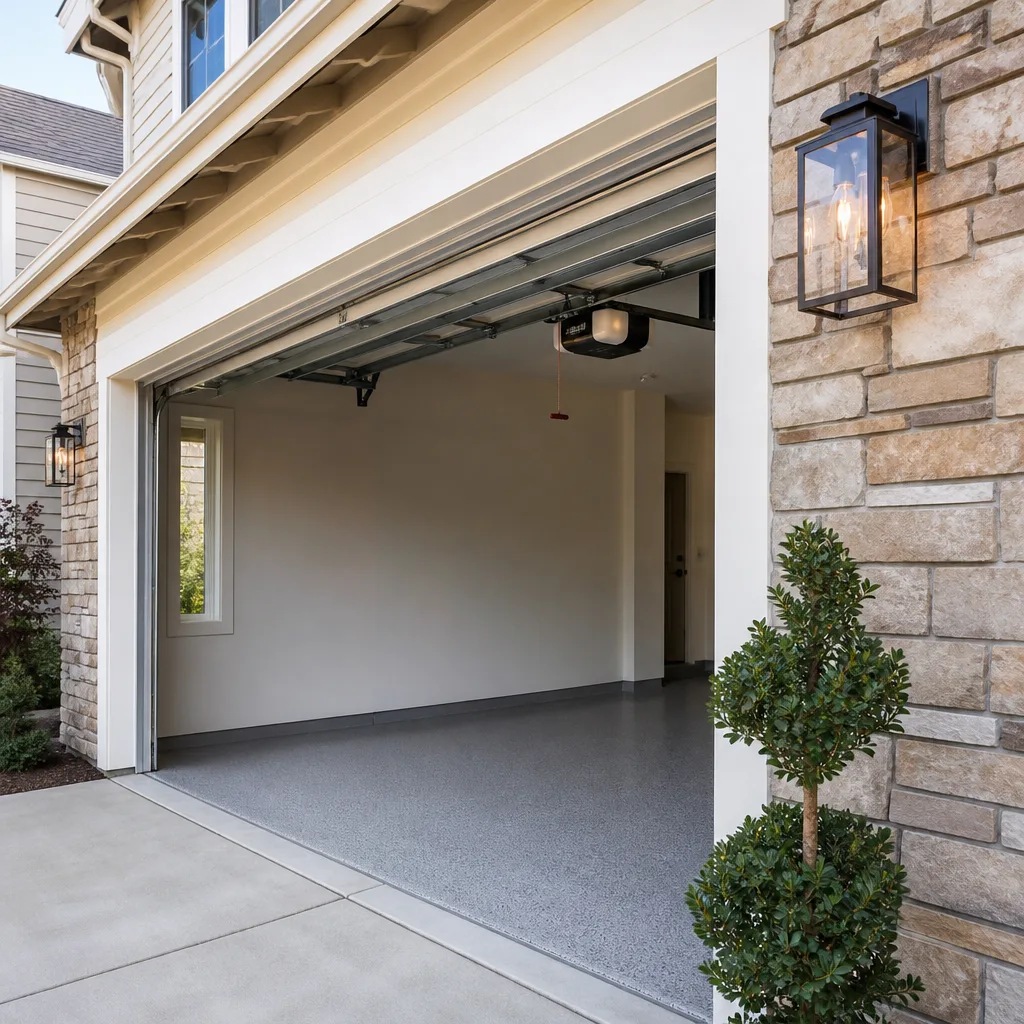 LiftMaster openers
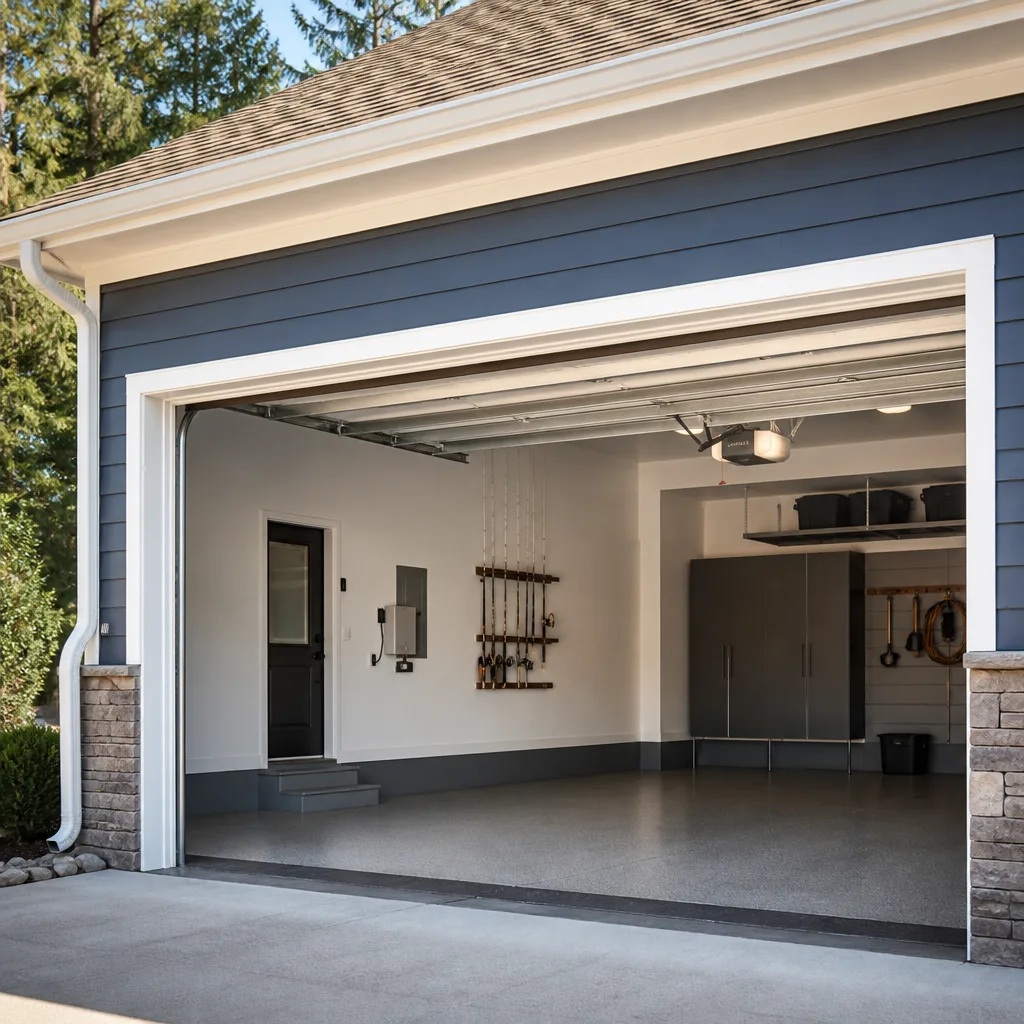 Chamberlain openers
Full 25-point door and opener safety check with every visit - springs, cables, rollers, tracks, and your LiftMaster or Chamberlain opener included
You get a price before we start. It does not change when the pro arrives.
Get your free estimateGarage Door Permits, Codes & Inspections in CA: What You Need to Know
A garage door replacement in California can trigger a permit requirement, and if a previous owner skipped it, that unpermitted work becomes your problem the moment you list the house. We’ve walked Westminster homeowners through this exact situation more times than we can count: a door looks fine, the sale is moving, and then the buyer’s inspector flags the opener, the springs, or the door itself as noncompliant. This guide covers the permit thresholds, the seismic safety rule most people miss, how Westminster enforces state code, and what actually happens when unpermitted work surfaces during escrow. For more guides & resources, see our blog.
Quick Answer
In California, a permit is generally required when you replace the entire garage door or alter the structural opening, but not for replacing springs, panels, or the opener motor alone. The exception that catches most Westminster homeowners is the state’s mandatory seismic disconnect rule for automatic openers (CBC Section 315.3), which applies retroactively to homes where the opener was installed before it existed. Permits are issued by the City of Westminster Building & Safety Division, and when a door is replaced, you’ll usually need a final inspection verifying the installation meets CBC Chapter 3 and the UL 325 safety standard.
Styles & brands we work with
- Raised-panel steel
- Carriage house
- Modern flush
- Full-view glass
- LiftMaster openers
- Chamberlain openers
Table of Contents
- Exactly When a Permit Is Required in California
- What Does Not Require a Permit
- How Westminster Enforces Garage Door Code
- The Seismic Disconnect Rule: CBC Section 315.3
- UL 325 and the Safety Sensors That Keep Failing Inspection
- Title 24, Insulation, and Replacing an Older Door
- Unpermitted Garage Door Work and Real Estate Disclosures
- What a Garage Door Inspection Actually Checks
Exactly When a Permit Is Required in California
California Building Code (CBC) Section 105.1 requires a building permit for any work that involves “the installation, enlargement, alteration, repair, movement, removal, or demolition of a building or structure.” A garage door is a structural component of the exterior wall, so when you replace the entire door assembly, you’re technically altering the building envelope. That’s the threshold.
Here’s the distinction that matters in practice. When a Westminster homeowner replaces the full door (panels, track, springs, hardware, weatherstripping as a complete system), the City of Westminster Building & Safety Division treats it as a structural alteration, and a permit is required. The city wants the final inspection to confirm that the door is installed per manufacturer specifications, the track is properly anchored, and the pressure-sensitive reversal system works. When we do full door installations for Westminster homes, we pull the permit as part of the job. It protects the homeowner, and it means the work is on record.
The line gets clearer when you look at what’s not a permit trigger:
- Full door replacement: Permit required in Westminster.
- Panel replacement only (same track and hardware): No permit. You’re replacing a component, not the system.
- Opener motor swap: No permit, but the new opener must meet current UL 325 requirements, and if the door it drives is being replaced at the same time, the door permit covers the whole assembly.
- Spring replacement: No permit. Springs are wear parts. Replacement is routine maintenance, not structural work.
- Track repair or replacement: This is the gray zone. If you’re replacing the track in the same configuration and the opening itself isn’t being modified, most building departments, including Westminster’s, don’t require a permit. If the track configuration changes or the header is being reinforced, a permit is triggered.
One more point worth making. If you’re converting a carport to a garage, or adding a garage door where one didn’t exist, that’s a completely different category. That’s an addition, and it requires full plans, a permit, and multiple inspections. Nothing in this guide applies to that scenario except the section on UL 325 and the seismic rule.
What Does Not Require a Permit
Most of the garage door work we do in Westminster doesn’t require a permit, because most of it is repair and component replacement on an existing, permitted door. Here’s a quick reference:
- Spring replacement (torsion or extension) is exempt. Springs fail on a roughly 7-12 year cycle in coastal-adjacent climates like Westminster’s due to humidity and salt air. Replacing them is like replacing brake pads.
- Cable replacement is exempt. Cables are a safety-critical wear part, but replacing them doesn’t alter the structure.
- Roller and hinge replacement is exempt. These are mechanical wear parts.
- Opener replacement is exempt as long as the door itself stays in place. You’re swapping a device, not altering the building.
- Weatherstripping replacement is exempt. It’s maintenance.
- Sensor replacement or realignment is exempt. UL 325 compliance is the responsibility of the homeowner once the system is in service, and replacing a failed sensor restores compliance rather than triggering a new permit.
The key distinction in the code is alteration versus maintenance. Maintenance restores a system to its original condition. Alteration changes the system or the building. When in doubt about which side of the line your project falls on, call Redwood Garage Door Repair home and ask. We’d rather answer a two-minute question than have you find out about a permit issue during escrow.
How Westminster Enforces Garage Door Code
The City of Westminster Building & Safety Division operates under the California Building Standards Code (Title 24), which adopts the International Residential Code with California amendments. What that means in practice is that Westminster inspectors are looking for the same things as inspectors in Huntington Beach or Garden Grove, but with local processes for how permits are filed and how inspections are scheduled.
Westminster is a city of roughly 90,000 residents with a significant stock of single-family homes built between the 1950s and 1980s. Many of those original garage doors are long gone, replaced in the 1990s or 2000s with doors that may or may not have been permitted at the time. The city’s inspection volume on garage doors is moderate, and typical inspections are final inspections rather than mid-installation checks.
When a permit is pulled for a full door replacement in Westminster, here’s the typical sequence:
- Permit application with door specifications, manufacturer, and install location. The city reviews for compliance with CBC Chapter 3 and the state’s energy code requirements if the door is attached to a conditioned space.
- Installation by a licensed contractor or the homeowner. The installation must match the specifications filed with the permit.
- Final inspection by a Westminster Building & Safety inspector. The inspector verifies the door operates smoothly, the reversal mechanism functions (using a 2×4 test block under the closing door), the track is anchored per manufacturer spec, and the opener, if installed, meets UL 325 requirements including the seismic disconnect where applicable.
If the inspector finds an issue (a pressure sensor set too high, missing anchorage bolts, a door that binds mid-travel), you’ll get a correction notice and a re-inspection. Re-inspection fees in Westminster are modest, generally $80-$120 depending on the scope, but they’re avoidable if the installation is done right the first time. That’s the argument for hiring a contractor who does garage doors exclusively, like our team at Garage Door Repair in Westminster. A generalist who installs one door a month is more likely to miss the detail that triggers a re-inspection.
The Seismic Disconnect Rule: CBC Section 315.3
This is the section of the California Building Code that most homeowners have never heard of, and it’s the one that surfaces most often when we’re called out for a pre-sale inspection. CBC Section 315.3 requires that automatic residential garage door openers be equipped with an automatic seismic disconnect device, or that the opener system be designed to allow the door to be opened manually in the event of a seismic event, unless the garage is located in Seismic Design Category A or B.
Most of coastal Southern California, including Westminster, is in Seismic Design Category D or E. That means the rule applies broadly. What it means in practice is this: when an automatic opener is installed or replaced in Westminster, the opener and door system must include a seismic disconnect device that allows the door to be operated manually if power fails or the opener locks up during an earthquake. Most modern openers from LiftMaster and Chamberlain include this as a standard feature: the emergency release cord. The code requirement is that the disconnect be functional and accessible, meaning a homeowner can reach it without standing on a ladder, and the mechanism isn’t painted over, corroded, or bound up.
What we see in Westminster homes, especially those with original openers from the 1980s and 1990s, is a disconnect cord that’s been shortened, tied up, removed, or painted shut. The opener works fine, but the seismic compliance is gone. When an inspector catches that during a final inspection, it’s a correction. When a buyer’s inspector catches it during escrow, it becomes a negotiation point. If your opener predates the current code and the disconnect is compromised, replacing the opener resolves the issue without triggering a full door permit. The opener itself doesn’t require a permit, and the replacement opener will meet current UL 325 and CBC 315.3 requirements out of the box.
One nuance worth knowing: the seismic disconnect requirement applies to automatic openers. A manually operated garage door with no opener isn’t subject to the rule because there’s no motorized locking mechanism to fail in a seismic event. If you have an old garage door with no opener and you’re not planning to install one, this section of the code doesn’t apply to you.
UL 325 and the Safety Sensors That Keep Failing Inspection
UL 325 is the Underwriters Laboratories standard for garage door openers and gate operators. It’s a safety standard, not an energy code, and it’s the reason every residential garage door opener sold in the US since 1993 must include a photoelectric eye system and a pressure-sensitive reversing mechanism. The code requirement is simple in theory: the door must reverse within two seconds of encountering a 2×4 laid flat on the floor under the closing door, and the photoelectric sensors must detect an obstruction and prevent the door from closing.
In practice, we see UL 325 compliance failures constantly in Westminster homes. The sensors get knocked out of alignment. A homeowner disconnects the sensors because the door wouldn’t close (a workaround for a misaligned sensor that creates a code violation). The force setting on the opener gets cranked up to overcome a binding door, which means the door won’t reverse when it hits an obstruction. These are easy things to diagnose and fix, but they’re invisible to most homeowners until an inspector checks. For a deeper look, see our Garage Door Repair Troubleshooting: Common Problems and How to Fix Them.
If your door is being replaced, UL 325 compliance is part of the final inspection. The inspector will test the reversal with a solid object and will verify that the photoelectric eyes are mounted no higher than six inches off the floor per the standard. If your existing door isn’t being replaced, the compliance burden still exists, it’s just not being actively inspected. That’s where a home sale comes in. Buyer’s home inspectors in Westminster are trained to test the reversal mechanism, and a failed test becomes a repair credit or a concession.
This is also where our specialization makes a difference. Because Garage Door Opener Repair in Westminster is a dedicated service line for us, our technicians diagnose safety sensor and force-setting issues daily. We work on LiftMaster, Chamberlain, Genie, and Craftsman openers, and the safety sensor systems are largely the same across those brands. The fix is usually quick: realign the sensors, adjust the force setting, verify reversal, done. The homeowner gets a compliant opener, and the inspection passes.
Title 24, Insulation, and Replacing an Older Door
California’s Title 24 energy code (Part 6 of the Building Standards Code) intersects with garage door replacement in a specific way that most homeowners don’t expect. If your garage is attached to the house and shares a wall or ceiling with conditioned living space, and you’re pulling a permit for a full door replacement, the door’s insulation value matters. Title 24 sets minimum R-value requirements for garage doors in climate zones where the garage is treated as a buffer space.
Westminster sits in Climate Zone 8, the Southern California coastal band. It’s a mild climate by national standards, but the Title 24 tables still apply. For an attached garage with conditioned space above or adjacent, the prescriptive requirement is typically an R-value around R-6 to R-8 for the garage door, depending on the wall assembly and glazing percentage. A single-layer steel door from the 1980s has an R-value of essentially zero. A modern insulated door from Clopay or Amarr will run R-6 to R-18 depending on the construction.
What this means in practice is that if you’re replacing an original, uninsulated door on a Westminster home built in the 1960s or 1970s, the new door will almost certainly need to be an insulated model to meet the energy code requirement that attaches to the permit. We install doors from Clopay, Amarr, Wayne Dalton, and Raynor, and all of these manufacturers offer insulated doors that clear the Title 24 bar for Climate Zone 8 without issue. The cost difference between an uninsulated and a polyurethane-insulated door in a standard 16×7 footprint is around $300-$600, which is modest compared to the energy benefit and the code compliance.
Panel replacement is the loophole here, and it’s a legitimate one. If you’re only replacing the panels on an existing door and the track, frame, and hardware stay in place, the project isn’t a full door replacement under the building code, and the Title 24 insulation requirement doesn’t attach. You can swap a single-layer steel panel for a matching single-layer steel panel and stay outside the permit and energy code framework. The catch is that you’re preserving the original door’s thermal performance, which in an older Westminster home means you’re keeping an R-0 door on a Southern California attached garage that gets direct afternoon sun.
See the difference
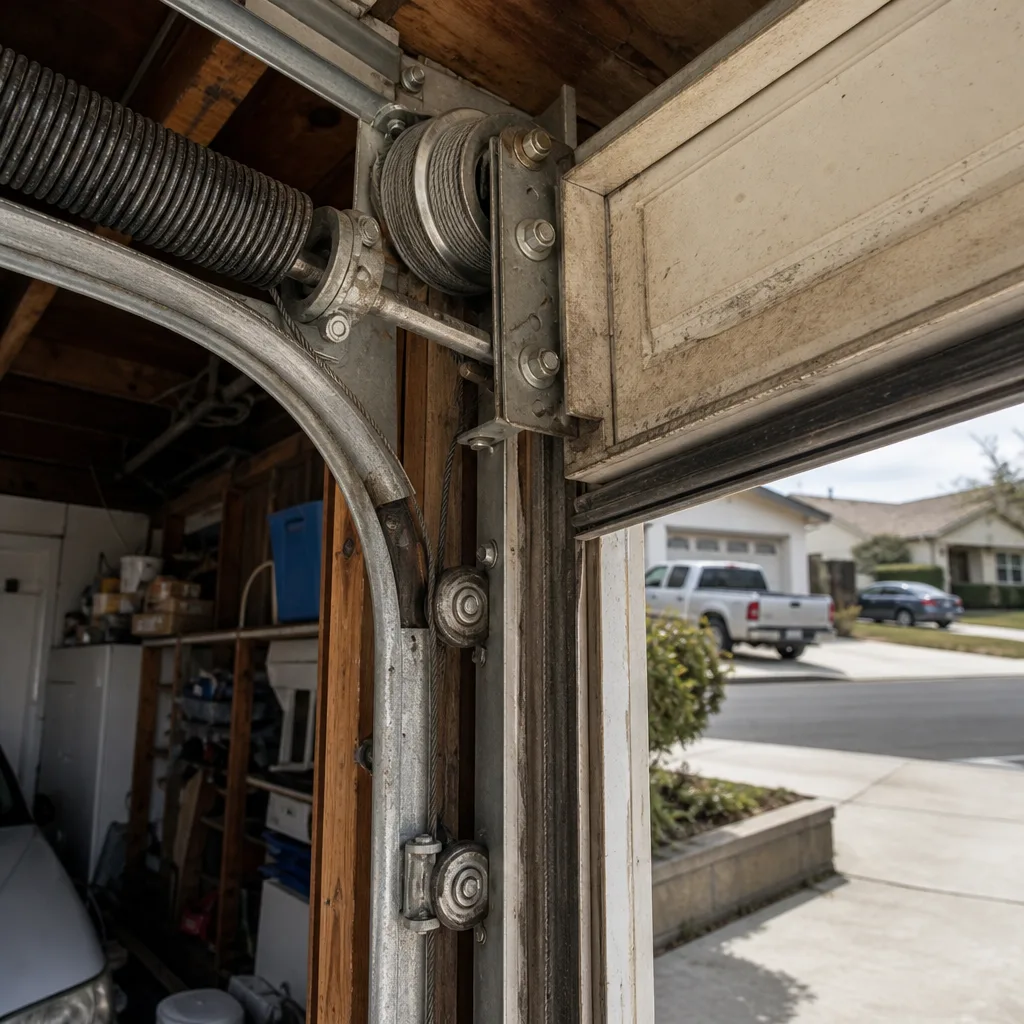 Before
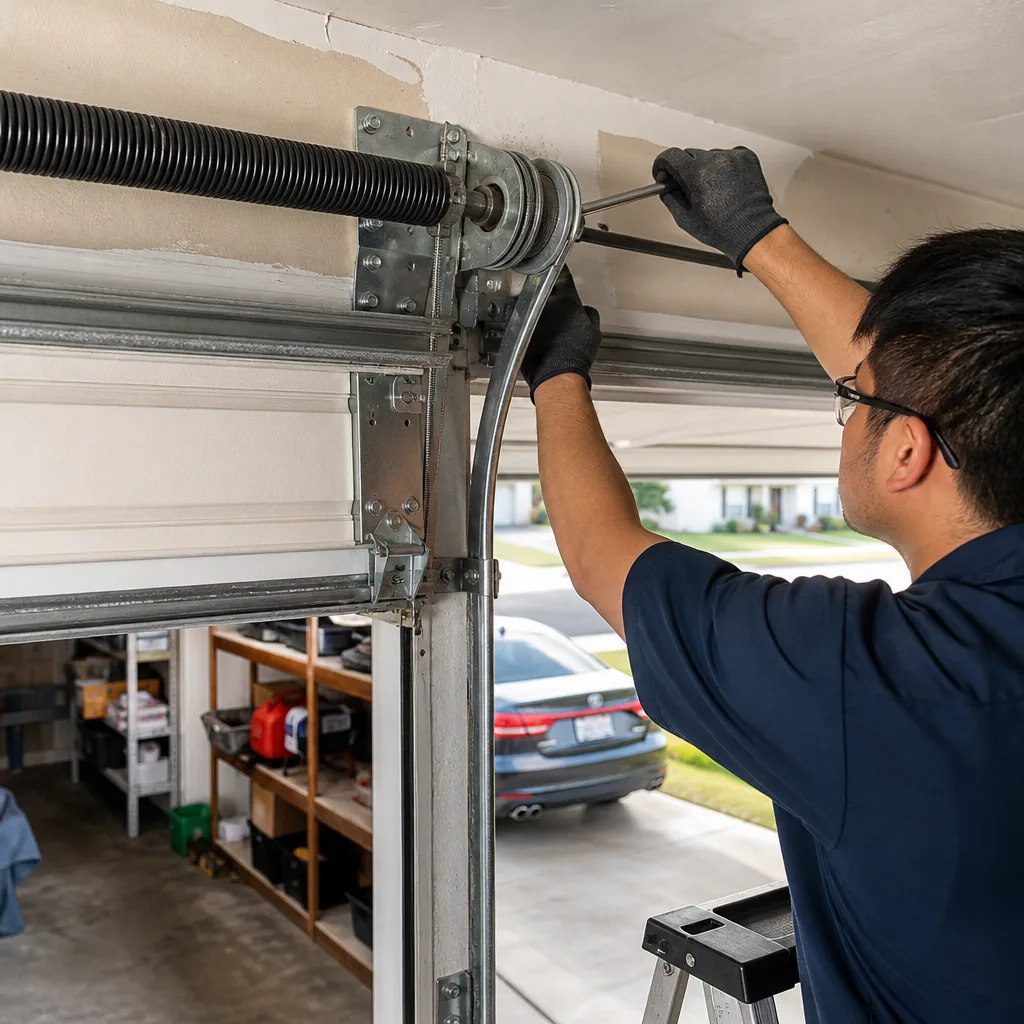 After
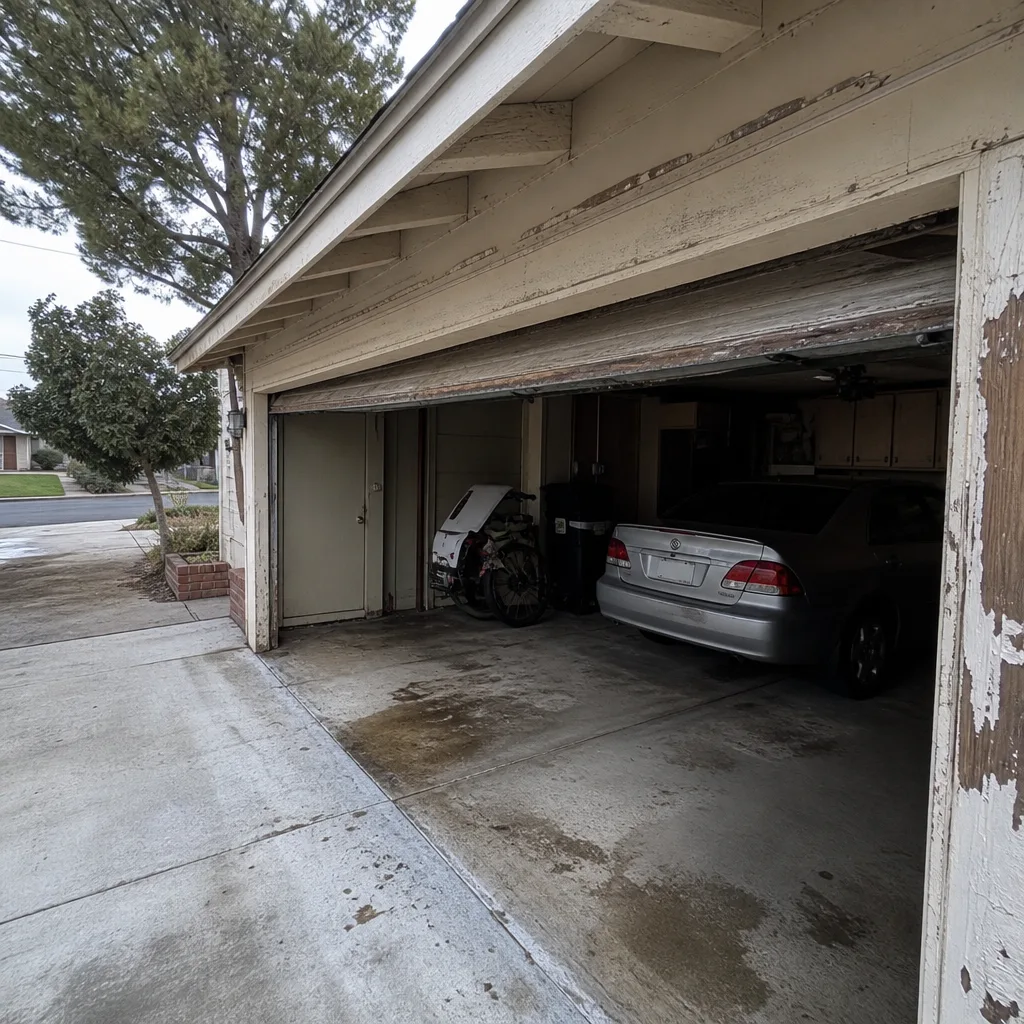 Before
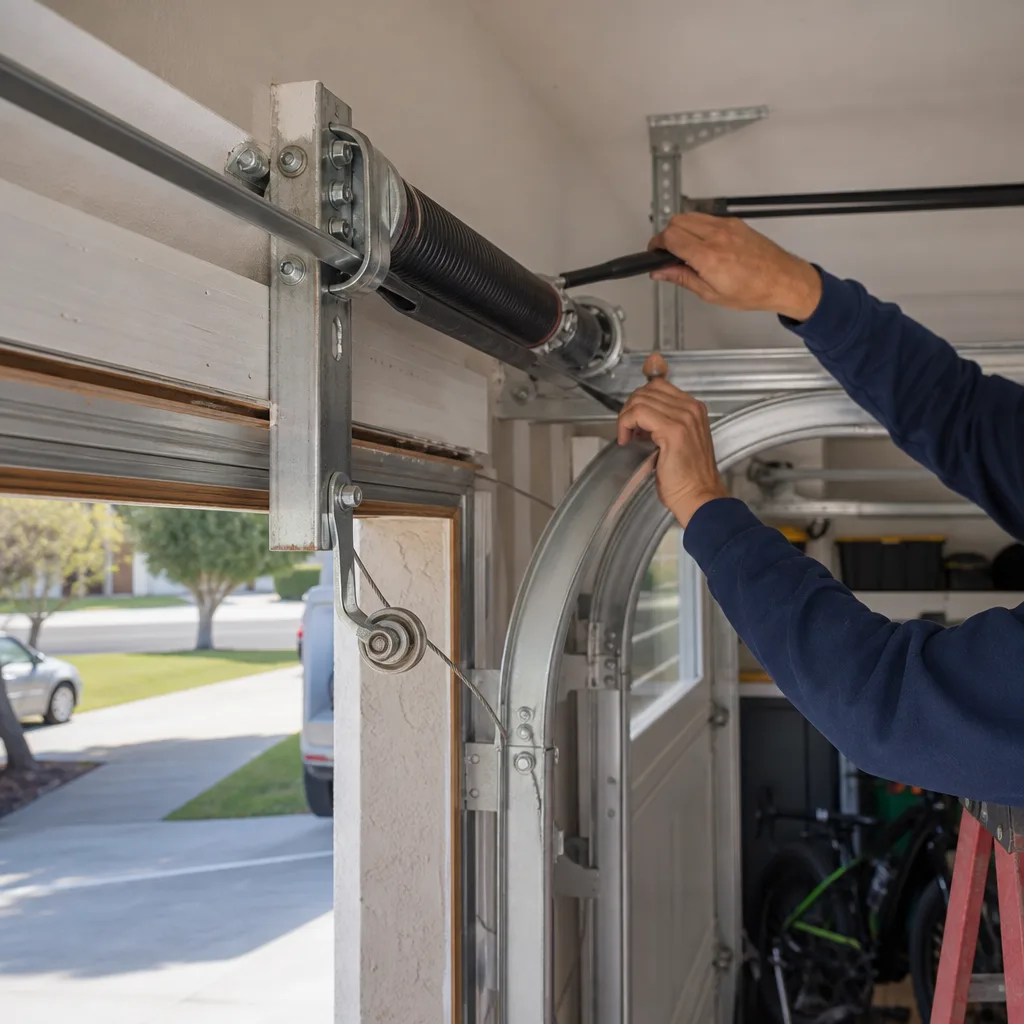 After
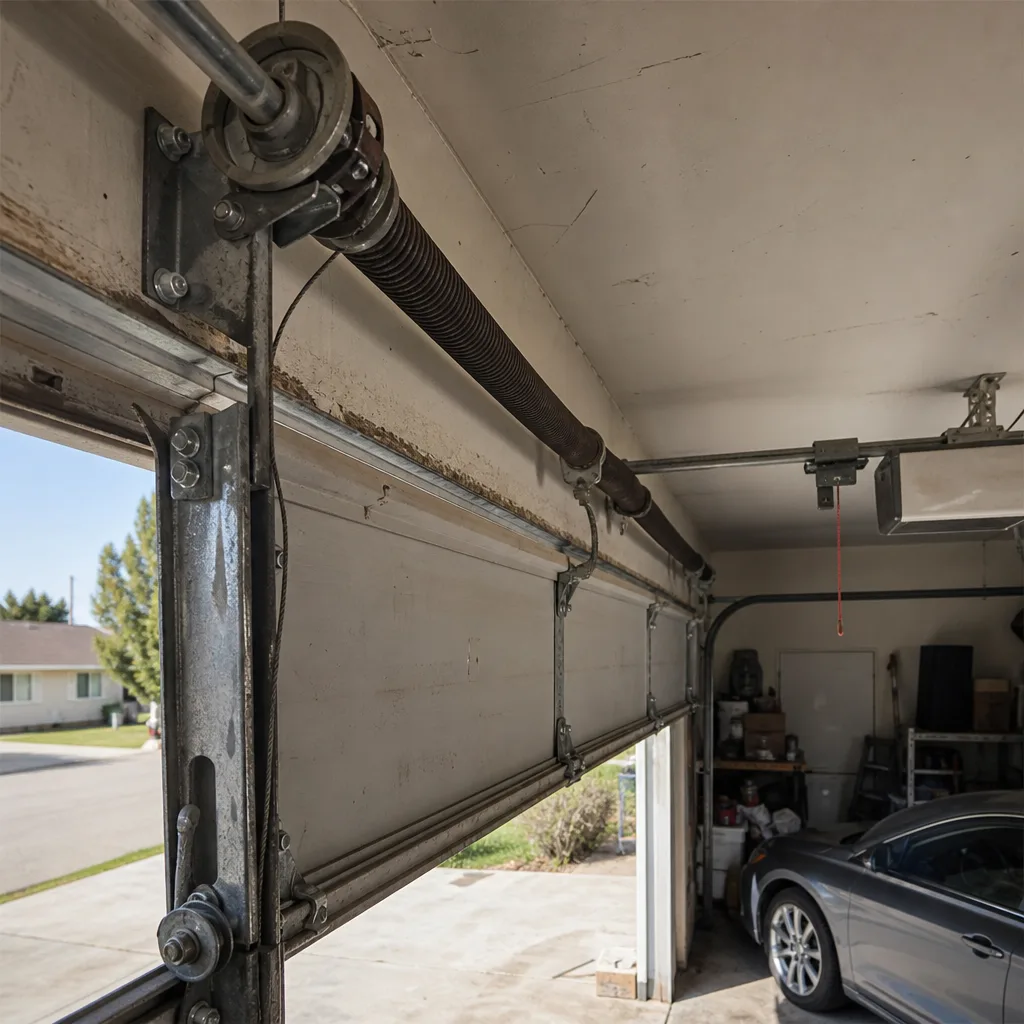 Before
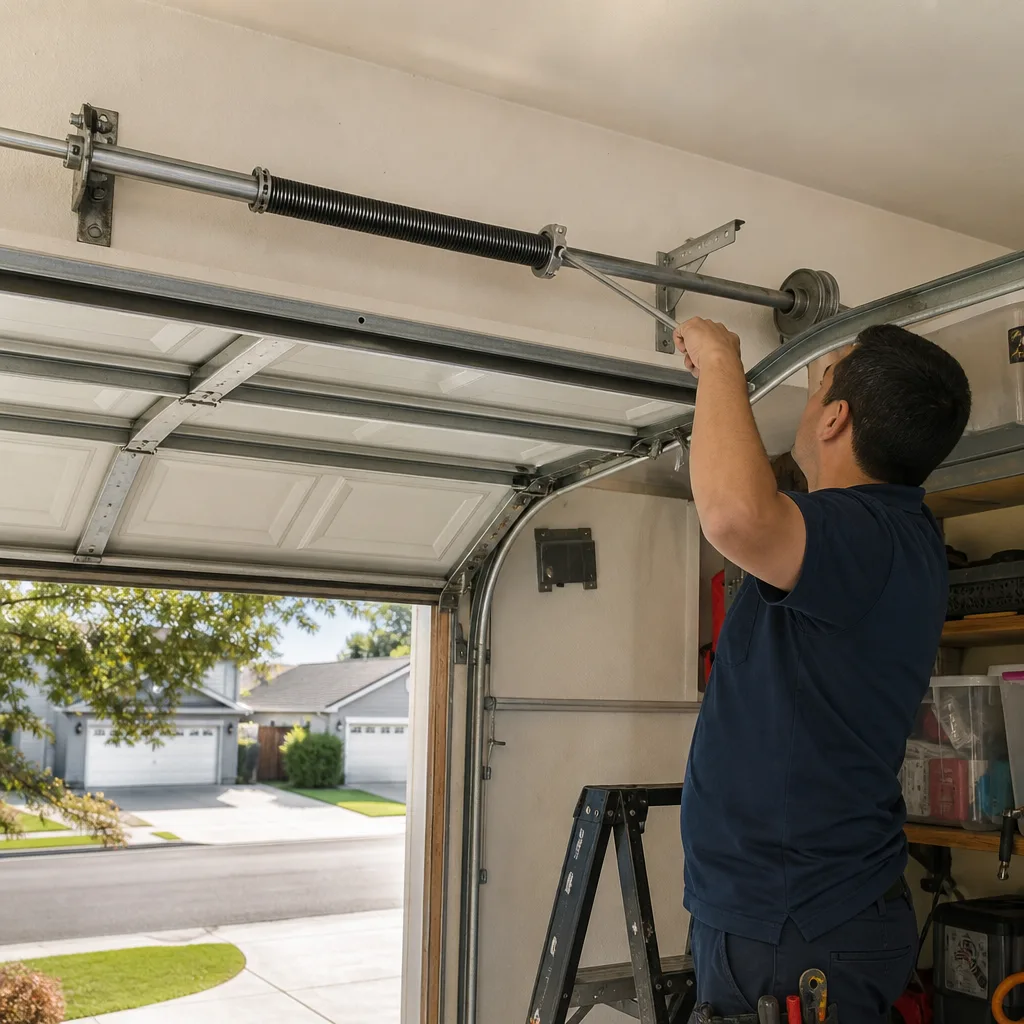 After
Unpermitted Garage Door Work and Real Estate Disclosures
This is the section that most people read this guide for, and it’s the one that creates the most anxiety during a sale. Here’s how unpermitted garage door work actually surfaces in a Westminster real estate transaction.
California is a seller-disclosure state. Sellers are legally required to disclose material facts about the property, and a garage door replacement that required a permit but didn’t get one is a material fact. The standard California Residential Purchase Agreement includes disclosure forms (TDS, SPQ) that specifically ask about improvements, additions, and alterations made without permits. If a previous owner replaced the garage door without a permit, and the current homeowner knows about it, failing to disclose creates liability. If the current homeowner doesn’t know, it surfaces anyway.
The typical path is this: a buyer’s home inspector looks at the garage door during the standard inspection. If the door looks newer than the house, the inspector may check city records for a permit. Westminster makes permit records searchable, and an unpermitted door replacement shows up as an absence in the record. The inspector notes it. The buyer’s agent asks for either a retrofit permit or a price concession. The seller either negotiates or pulls a permit after the fact, which requires an as-built inspection and possible corrections. Neither option is fun mid-escrow.
We’ve seen this play out in Westminster neighborhoods from the Bolsa Chica corridor to the neighborhoods north of the 405. The smartest move if you’re selling a home with a garage door replacement that you can’t verify was permitted: pull the record before you list. If it’s not there, call Garage Door Installation in Westminster and talk to us about what a retrofit inspection involves. In many cases, the door is fine and the inspection passes. The cost is the permit fee plus the inspection, and it removes a negotiation point before it exists.
The disclosure obligation extends to work done by previous owners. If you bought a house with an already-replaced door and never thought about permits, the disclosure question still applies to you when you sell. You’re not expected to have verified every detail of the house’s history, but you are expected to disclose what you know. And if the buyer’s inspector finds it, you’ll know about it shortly after.
What a Garage Door Inspection Actually Checks
Whether it’s a city final inspection after a permitted installation or a buyer’s home inspection during escrow, the garage door checklist is consistent. For a complete breakdown, see our Garage Door Repair Maintenance Checklist for Westminster Homeowners. Here’s what’s being checked in a Westminster inspection:
- Operation and travel: The door opens and closes smoothly, doesn’t bind, scrape, or jump the track, and stays in place when stopped mid-travel. A door that drifts down when stopped at the halfway point has a spring tension problem.
- Safety reversal: The opener reverses within two seconds when the closing door contacts a 2×4 laid flat. If the door doesn’t reverse, it’s a hard failure.
- Photoelectric sensors: The sensors are present, mounted no higher than six inches off the floor, aligned, and functional. A waving hand in the beam path must stop and reverse the door.
- Track anchorage: The vertical and horizontal track is securely fastened to the framing with the correct fasteners. Lag screws in drywall anchors are a common failure we see.
- Spring condition: Torsion springs show no visible gaps, corrosion, or deformation. Extension springs have safety cables running through them. Missing safety cables on extension springs are a common Westminster inspection finding on doors installed before 1990.
- Seismic disconnect access: The emergency release cord is present, functional, and reachable. A missing or painted-shut release cord fails the CBC 315.3 check.
- Weatherstripping and threshold: The bottom seal is intact and the door closes tight to the floor. This matters for energy code compliance on attached garages.
- Hardware integrity: Hinges, rollers, and brackets are intact and not loose. A roller chewing through a hinge is a repair item, not a safety item, but inspectors flag it anyway.
Most of the failures we see on Westminster inspection reports are safety sensor issues, tension imbalances, and missing extension spring safety cables. All three are fixable in a single visit, and none of them require a permit to correct. They do require a technician who understands how the door’s mechanical and electronic systems interact, which is exactly what we do at Redwood Garage Door Repair. We work on the brand you already have, whether it’s a Wayne Dalton door with a LiftMaster opener or a Clopay door with a Genie.
Common Mistakes to Avoid
- Assuming springs and openers need permits. They don’t. Replacing springs, cables, rollers, and openers is maintenance and repair, not alteration. Spending money on a permit for spring work is unnecessary.
- Assuming a full door replacement doesn’t need one. It does. The threshold is replacing the entire assembly, and in Westminster the city will want a final inspection on a full replacement. Getting caught without one during a sale is more expensive than the permit was.
- Skipping the seismic disconnect check on an older opener. The emergency release cord is easy to ignore until an inspector asks to see it. If it’s been tied up or painted over, you have a compliance failure that’s barely visible to the homeowner but obvious to any trained inspector.
- Disconnecting the safety sensors to make a misaligned door close. We see this in Westminster constantly. The door closes, but the system is now noncompliant with UL 325, and a home inspector will catch it. The correct fix is a realignment, which takes minutes.
- Cranking up the opener force setting to overcome a binding door. This masks the underlying problem (usually worn rollers or a tension imbalance) and creates a safety reversal failure. The door will close, but it won’t reverse on obstruction, which is the thing the code cares about most.
- Replacing a door with an uninsulated model on an attached garage. If you’re pulling a permit anyway, the Title 24 energy requirement applies, and an uninsulated door in a Westminster attached garage won’t meet the prescriptive standard for Climate Zone 8. Pay the modest difference for an insulated door.
- Disclosing nothing and hoping the buyer’s inspector misses it. They won’t. Westminster permits are searchable, and the absence of a record for a newer-looking door is exactly the kind of thing a diligent home inspector checks.
When to Call a Professional
Spring replacement is the first one. Torsion springs carry hundreds of pounds of tension, and a spring failing during an amateur repair can seriously injure or kill. This is not a DIY job, no matter what the tutorial says. The same applies to cable replacement, which is mechanical work under tension.
You should also call a professional when you’re preparing a home for sale and need a garage door compliance check before listing, when you’re buying a home and want a pre-purchase inspection of the door and opener system, or when you’ve been told by a building inspector that a correction is needed on an existing door. A specialist assessment identifies what’s actually wrong versus what the inspector flagged at the surface level.
Redwood Garage Door Repair offers free estimates in Westminster. Call (833) 593-4519 to schedule a diagnostic, and we’ll walk the door, the opener, and the compliance checklist with you.
Frequently Asked Questions
Yes, a permit is required when replacing the entire garage door assembly, including the track, because the door is part of the building’s exterior structural envelope. The City of Westminster Building & Safety Division issues the permit and schedules a final inspection after installation. Replacing only panels, springs, or the opener does not require a permit. Call (833) 593-4519 for help determining which category your project falls into.
No, a permit is not required to replace a garage door opener in California, but the new opener must meet current UL 325 safety standards, including photoelectric sensors, auto-reversal, and, under CBC Section 315.3, an accessible seismic disconnect. A replacement opener from LiftMaster, Chamberlain, Genie, or Craftsman will include these features as standard equipment.
CBC Section 315.3 requires automatic garage door openers in Seismic Design Category D and E zones, which includes Westminster, to have a functional emergency release mechanism that allows manual operation of the door after a seismic event. The release cord must be accessible and operational. Inspectors check this during final inspections and home sale inspections.
It may create a negotiation issue during escrow. California sellers are legally required to disclose unpermitted work they know about, and a diligent buyer’s inspector in Westminster may find a door replacement with no corresponding permit on record. Sellers may need to pull a retrofit permit, complete an as-built inspection, or offer a price concession. Pulling the record before listing removes the issue before it becomes a negotiation.
A garage door replacement permit in Westminster typically costs between $100 and $250 depending on the project valuation, plus re-inspection fees of roughly $80 to $120 if the first inspection doesn’t pass. Exact fees are set by the City of Westminster Building & Safety Division and change periodically. We include permit handling in our installation work, so the homeowner doesn’t deal with the process directly.
Yes, particularly for attached garages in Westminster’s Climate Zone 8. Title 24 sets minimum insulation requirements for garage doors on attached garages when a full door replacement is permitted. An insulated door from Clopay, Amarr, or Wayne Dalton with an R-value of R-6 to R-8 or higher typically meets the prescriptive requirement. Panel-only replacements are exempt from this requirement because they fall outside the permit threshold.
The most common inspection failures we see are nonfunctional photoelectric sensors, an auto-reversal mechanism that doesn’t pass the 2×4 test, missing safety cables on extension springs, an inaccessible or painted-shut emergency release cord, and inadequate track anchorage. All of these are correctable within a day, but they’ll stop a final inspection or a home sale inspection in its tracks.
The Bottom Line
California garage door permit rules come down to a simple threshold: full door replacement triggers a permit, component replacement does not. But the code requirements that attach to a permitted installation, the UL 325 safety standard, the CBC 315.3 seismic disconnect rule, the Title 24 insulation minimum, are what actually matter when an inspection happens. Westminster homeowners get hit with these requirements at two moments: when a final inspection is scheduled after a permitted replacement, and when a home sale surfaces unpermitted work or safety failures from years past.
Garage doors are all we do at Redwood Garage Door Repair. From a broken spring to a full new door, we handle repair, opener replacement, and installation as one company, without handoffs. If you have questions about permits, code compliance, or whether your current door would pass a Westminster inspection, call (833) 593-4519 for a free estimate and a straight answer.
Written by the team at Redwood Garage Door Repair, serving Westminster.